🇬🇧 English🇫🇷 Français🇪🇸 Español🇧🇷 Português
Board-certified specialist in animal reproduction
Dog and cat reproduction, explained by a specialist
I am Dr. Emmanuel Fontaine, veterinarian. I turn the science of breeding, birth and the first weeks of life into decisions that breeders, veterinary teams and companies can use.
Join the free newsletter →Work with me
Free, every Saturday morning, in English, French, Spanish and Portuguese.

How I can help
Where would you like to start?
Science you can use on Saturday morning
One practical, science-based article every week, free, for dog and cat breeders. Written to help you prepare the right questions for your veterinarian.
A second opinion, veterinarian to veterinarian
A written opinion on a reproduction or neonatal case, and continuing education for your clinic or group.
Education programmes in four languages
Continuing education programmes, webinars and scientific content for veterinary and breeder audiences.
Six lenses
Dog and cat reproduction, seen through six lenses
Breeding is never one thing at a time. I look at each question through these six lenses.
Genetics
What is inherited, and what selection changes.
Nutrition
Feeding the mother and her litter at each stage.
Infectious disease
Prevention first, then treatment with your veterinarian.
Behaviour
Maternal behaviour and early development.
Husbandry
The environment, the routine and the equipment.
Reproduction knowledge
Fertility, pregnancy, birth and the newborn.
YouTube
New videos every week
This is where most of my new content now appears first. The videos are dubbed automatically in 21 languages.
Most read
The articles readers come back to

When Can a Male Cat Start Breeding? A Vet’s Guide to Feline Reproduction
When can a male cat start breeding? Discover the age, signs of sexual maturity, and best practices for…

Newborn Puppy Won’t Nurse? Helpful Tips for Concerned Owners
Your newborn puppy won’t nurse? In this blog, I share an abundance of tips and practical solutions for…

How Many Times Can a Dog Get Pregnant?
How many times can a dog get pregnant safely? Discover the facts, risks, and expert guidance to ensure…
Free guides
Start with a free protocol
Two protocols to prepare with your veterinarian, each available in four languages.
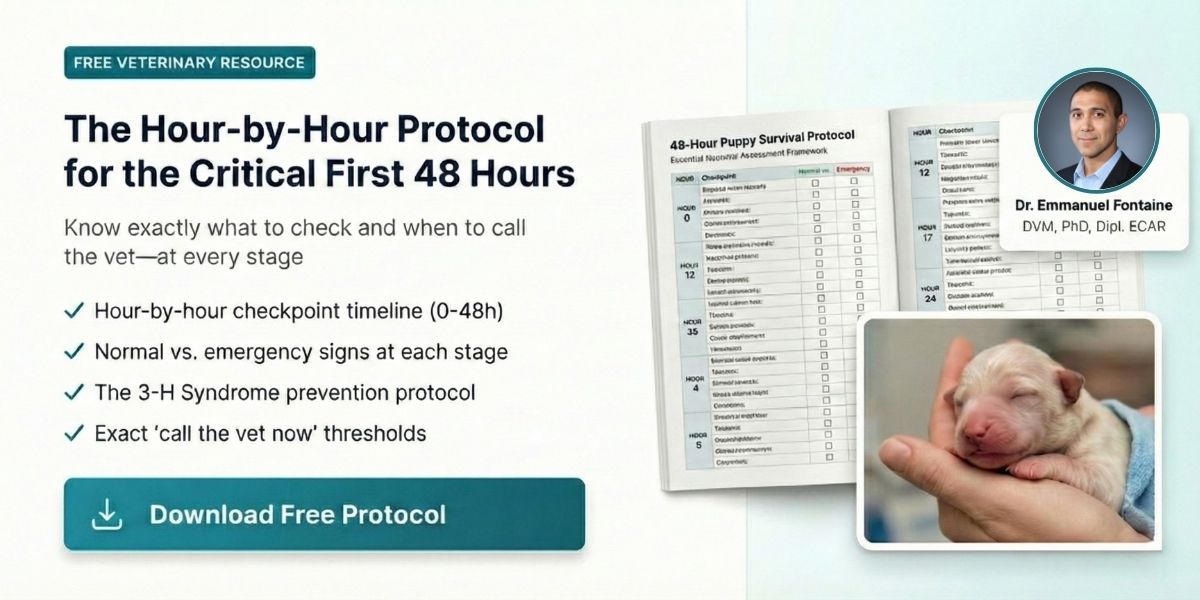
The 48-hour puppy survival protocol
An hour-by-hour checklist for the first 48 hours after whelping: what to monitor, when to act, and when to call your veterinarian.
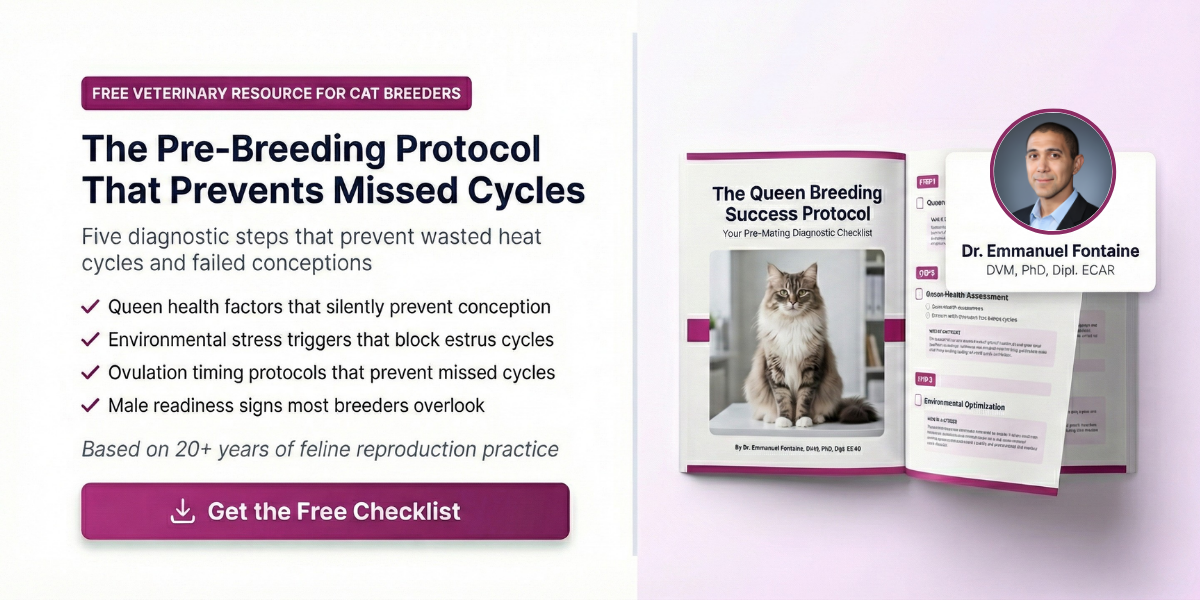
The queen breeding success protocol
A step-by-step protocol to prepare a queen for breeding, to go through with your veterinarian before the mating.
The Saturday newsletter
Want science like this every week?
Join 2,500+ readers who get one practical article on dog and cat breeding every Saturday morning. Free, in four languages.
From the blog
Latest articles
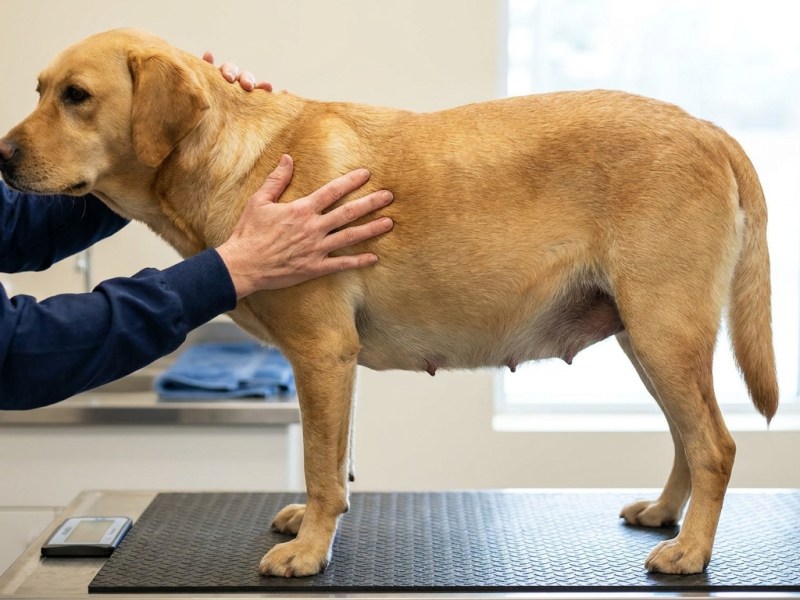
Why Do Heavier Mothers Lose More Newborn Puppies and Kittens?
Two 2026 studies show that a birth leaves clues long before the first contraction, and heavier mothers had fewer newborns…
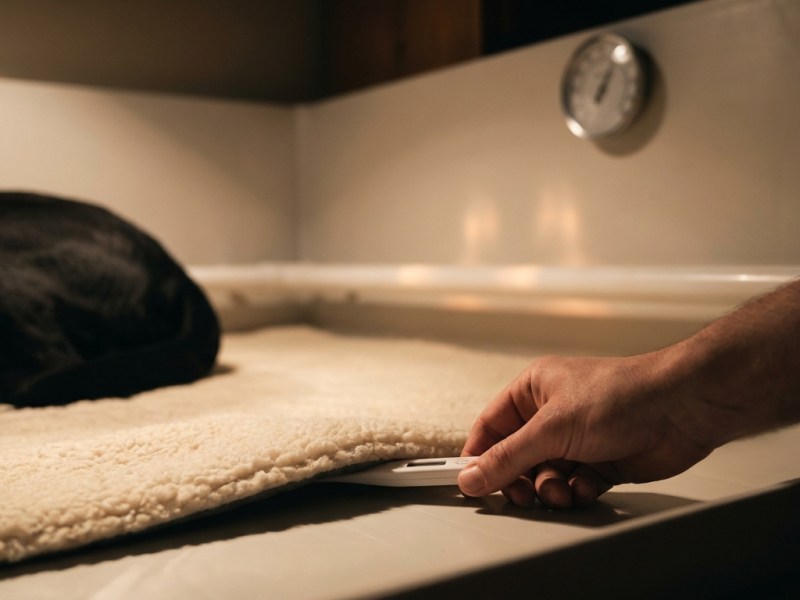
Whelping Checklist: What Should You Have Ready Before the Puppies Arrive?
Two out of three bitches give birth in the middle of the night. A repro vet’s whelping checklist: 10 things…

Should Newborn Puppies and Kittens Get Antibiotics Just in Case?
An antibiotic given just in case can disturb a newborn’s gut and drive resistance. Where infections in newborn puppies and…
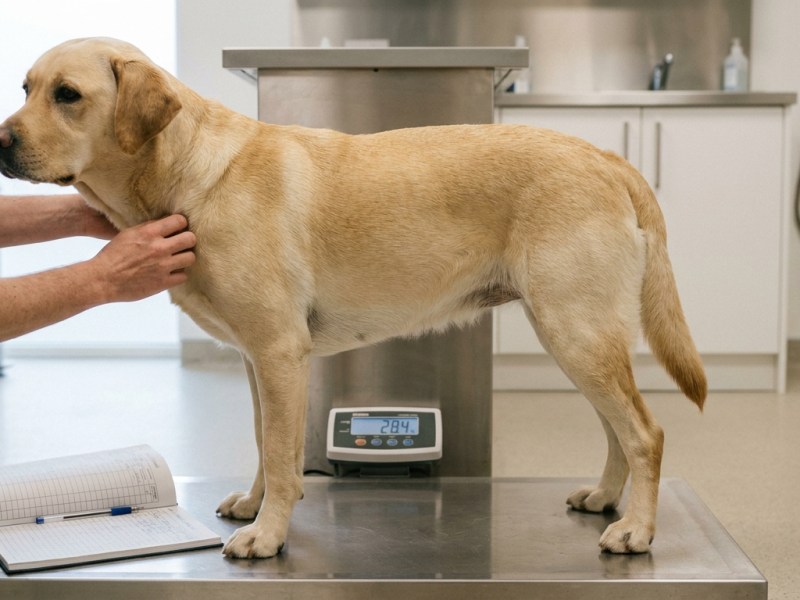
Watch the Mother, Not Just the Milk: Five Body Condition Checkpoints in Dogs and Cats
Milk supply is a late signal. Her weight, her body condition and her muscle change first. Five checkpoints across the…

How Do You Watch a Postpartum Dam’s Recovery in the First Three Weeks?
The first three weeks after whelping are when metritis, mastitis, and eclampsia tend to show up. Here is how to…

What Sows Teach Breeders About Maternal Probiotics and Colostrum
What sow research teaches dog and cat breeders about maternal probiotics, colostrum, and the first 24 hours after whelping or…
See all articles →Browse by topic →
Go deeper
The Breeder Vault
The expanded edition of each newsletter, with field protocols, checklists and video lessons, in English, French, Spanish and Portuguese.

