Learn why newborn puppies temperature plays a critical role in canine neonatology. And find out about many tips and tricks you can use to ensure healthy puppy development and survival.


Discover best practices in puppy care, from nutrition to preventive health measures. This section provides breeders and new owners with the tools to foster healthy puppies ready for a bright future.
Learn why newborn puppies temperature plays a critical role in canine neonatology. And find out about many tips and tricks you can use to ensure healthy puppy development and survival.

Explore Swimmer Puppy Syndrome in our blog, covering causes, treatment, and prevention, with new strategies for healthier newborn puppies.

Are you a new pet parent of a litter of kittens or puppies? One important thing to pay attention to is the color and consistency of their stools. While "normal" stools in newborns are usually orange and soft, white stools can be a cause for concern. In this blog, we will delve into the potential causes of white stools in newborn kittens and puppies, as well as what steps you should take to address the issue. From septicemia to milk intolerance, we will cover it all to ensure the health and well-being of your furry little ones.

As a breeder or veterinarian, understanding the factors that influence the size of a litter of puppies is crucial. Maternal factors such as breed, age, and breeding method all play a role in determining the average litter size of dogs. In this comprehensive blog, we explore the science behind the relationship between these factors and the impact they have on the well-being of both mothers and their newborns. Join us as we delve into the fascinating world of canine breeding and learn about the critical importance of litter size.

Mastering newborn puppy care is essential for their healthy growth. Dive into our A-to-Z guide to ensure you're nurturing new beginnings right from day one.
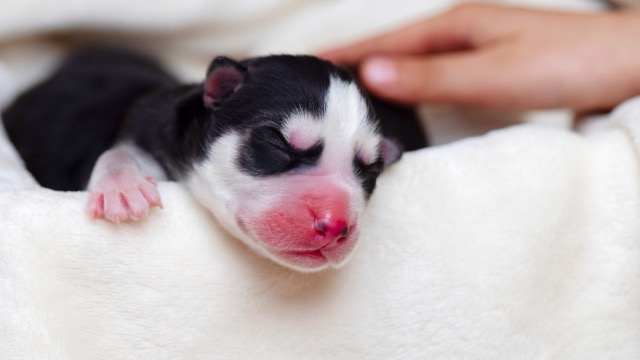
In my latest blog, explore the the complexities of Fading Puppy Syndrome. Understand it's not just a disease but a multifaceted condition with diverse triggers. With today's unparalleled knowledge and proactive care strategies, we can reshape the narrative for at-risk puppies.

Discover the transformative power of APGAR scores in canine and feline neonatology. This tool, rooted in human medicine, is now reshaping how we assess newborn pets. Learn how breed size influences interpretation and why adopting this method could set our puppies and kittens on a path to vibrant health. Don't miss this game-changer for neonatal care!
In dog breeding, the first days are pivotal. Neonatal puppy care is more than basic needs; it's a commitment to a puppy's future. This blog underscores vital puppy survival tips, spotlighting essential care steps often missed by breeders. From umbilical cord attention to early health indicators, we offer insights to enhance your breeding practices. Knowledge is power, and in neonatal puppy care, it's the difference between thriving and merely surviving. Equip yourself with these crucial tips and champion the well-being of every newborn pup.

Unlock the keys to newborn puppy survival through a captivating journey into canine neonatology. Inspired by the 2017 EVSSAR Conference, this blog reveals the essential balance of energy and immunity needed in the vital first 21 days of a puppy's life. From recognizing at-risk newborns to understanding the life-saving role of colostrum, these insights offer practical and proven strategies. Simple, yet profound, these guidelines are more than mere suggestions; they're a heartfelt commitment to the health and survival of our cherished canine friends. Embark on this enlightening path to ensure the well-being of the next generation of puppies.
Dive into our latest blog post as we demystify 'Fading Puppy Syndrome'. We highlight critical tools and methods for early detection, stress the importance of proactive prevention, and guide you on how to react in the unfortunate event of neonatal mortality. Our goal? To empower you with knowledge, helping you enhance the health and survival chances of your beloved puppies. Join us in transforming the future of canine neonatology.
 DR. EMMANUEL FONTAINE