
🇫🇷Lire en Français | 🇪🇸Leer en Español |🇧🇷Leia em português
Welcome to the world of newborn puppy and kitten care, where every little detail can hold the key to ensuring the health and happiness of our smallest furry friends. As a new pet parent or a seasoned dog or cat breeder, you know that these early days are filled with both joy… and a sense of responsibility as well!
Among the many aspects you’ll vigilantly monitor, one is in my opinion quite important: the color and consistency of the stools of your newborn puppies and kittens.
Yes, we’re talking about puppy and kitten poop here —a topic that, one can agree, might not be the first to come up at the dinner table… but that one is absolutely critical to the well-being of your new companions. It’s definitely a telltale sign that communicates the state of their delicate digestive systems.
And here is a question that frequently comes my way, a query that resonates with the concerns of many new pet parents:
“What does it mean when white stools are observed in newborn puppies or kittens?”
By the way, by ‘newborns’, I’m referring specifically to puppies and kittens that are less than 3 weeks of age.
This blog is your guide, your companion in deciphering these signs. Whether you’re faced with the puzzling sight of white stools in your litter of puppies or kittens, or simply seeking to arm yourself with knowledge, you’re in the right place. So let’s ensure that you’re equipped to provide the best start in life for these adorable beings.
- What should newborn puppy or kitten poop look like?
- Why Are My Newborns’ poop White Instead of Orange?
- What Causes White Stools in Newborn Puppies and Kittens?
- What Should I Do If I Notice White Stools in My Newborn Puppies or Kittens?
- Can I Give My Newborn Puppy or Kitten Antibiotics for White Stools?
What should newborn puppy or kitten poop look like?
A healthy newborn puppy or kitten’s poop is a good indicator of their overall well-being and digestive health. Ideally, you should be seeing stools that are well-formed and shaped, similar to small, molded segments that hold their form. They are well-formed, but expect them to be softer than what you observe in a healthy adult.
And the color is typically… orange. Again, it is quite different from the chocolate brown color we will observe later in the life of the kittens and pups.
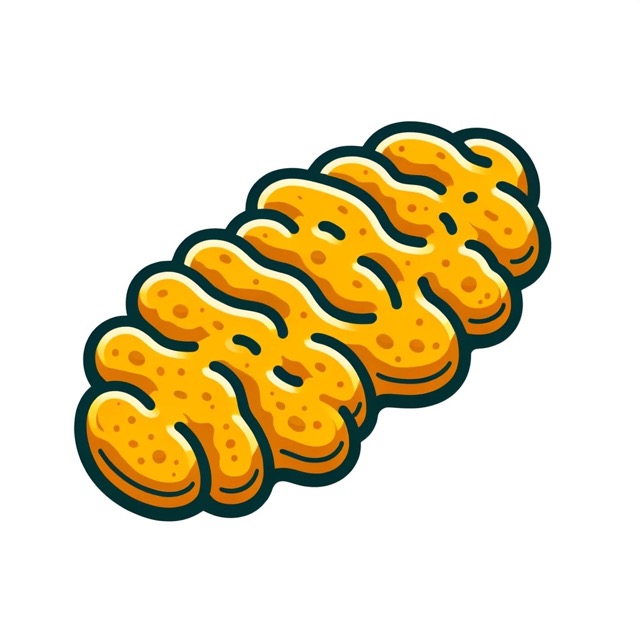
“Normal” stools in newborn puppies are usually orange in color, soft in consistency but neither hard nor liquid.
This might not always be easy to observe since the mother often consumes them, but this is definitely something to pay attention to when raising a litter of puppies and kittens.
As often in canine and feline neonatology, consistency is key; while slight variations in color are normal, the stools should not be too hard or too soft… or worse, diarrheic!
If there is something amiss, you will very often find clues, like signs of diarrhea for instance, inside the maternity. (And obviously, you do not want to observe big changes in color here!)
Understanding these signs is a crucial part of ensuring the health and well-being of your newborn puppies.
Why Are My Newborns’ poop White Instead of Orange?
This is usually a typical clinical expression of a condition known as malabsorption or maldigestion.
The white color of the stools is indicative of the milk that these newborns have consumed but were not able to properly digest.
This is a phenomenon that can be attributed to their still-developing digestive systems, which may not yet be fully equipped to handle the process of digestion efficiently.

One thing I am absolutely certain of, and I cannot stress this enough, is that this situation should always be taken seriously.
It is not merely a curious anomaly, but a potential health concern that warrants immediate attention.
The reason for this urgency lies in the potential consequences of this condition.
Quick dehydration and hypoglycaemia could indeed follow as a result of malabsorption or maldigestion.
These conditions, while manageable in older animals, are often lethal in newborn puppies due to their fragile state and underdeveloped immune systems.
The stakes are high, and the margin for error is slim, which is why it is crucial to act swiftly and decisively at the first sign of white stools in your newborn pets.
If you’re grappling with the complexities of newborn puppy care, my eBook on canine neonatology is a must-read. It offers a comprehensive guide that goes beyond this blog post. Download it here to ensure you’re well-equipped to handle such situations.
What Causes White Stools in Newborn Puppies and Kittens?
It’s crucial to understand that the presence of white stools can be a sign of serious health issues and here, there are 2 major conditions you must remember: septicemia or overconsumption (often also referred to as “greediness”).
It’s essential to learn how to distinguish between these conditions and take immediate action to ensure the health of your litter.
Overconsumption (aka “Greediness”)
What happens when a newborn puppy or kitten exhibits a tendency to drink excessively while suckling its mother? This scenario is more common than you might think and can lead to a condition known as overconsumption or ‘greediness’.
In this situation, the newborn, driven by its natural instinct to feed, consumes milk in quantities that its still-developing digestive system can’t handle. This overconsumption overwhelms its digestive capacities, leading to a situation where the milk is no longer properly digested.
As a result, the undigested milk passes through the puppy’s system, causing its feces to turn white. This is a clear sign of malabsorption, indicating that the nutrients in the milk are not being adequately absorbed by the puppy’s body.
Furthermore, these puppies and kittens often experience diarrhea, a condition that can lead to dehydration if not addressed promptly. This is a serious concern, especially for newborns, as their bodies are made of more than 80% of water AND are not yet equipped to handle such stress.
Septicemia

Neonatal septicemia, a systemic infection in newborns, remains one of the more complex and less understood areas of small animal veterinary medicine, particularly when it comes to puppies.
These infections do occur, that much is certain. However, our understanding of them is still evolving.
The causative agents of septicemia are typically bacteria, which can originate from various sources.
They could be transmitted from the mother, through her milk or her oral cavity, or they could come from the environment, particularly in cases where sanitation measures are not up to standard.
These bacteria interfere with the digestive process in newborn puppies, leading to conditions such as maldigestion and malabsorption.
This disruption in the normal digestive process can have visible effects, one of which is a change in the color of the puppy’s stools.
Understanding the underlying causes of white stools is crucial, but there’s more to neonatal puppy care. My eBook dives deeper into these topics and provides actionable insights. Get your free copy now to become a more informed pet parent.
When septicemia occurs and disrupts digestion, the stools of affected puppies might turn white.
This is a clear sign that the puppy’s body is not properly digesting and absorbing the nutrients it needs from its food.
What Should I Do If I Notice White Stools in My Newborn Puppies or Kittens?
How can you determine if the white stools in your newborn puppies and kittens are a result of septicemia or greediness?
It’s always a challenge to distinguish between the two, as both can lead to similar symptoms.
Clinical signs to ALWAYS look for
However, by closely observing your puppies, you can pick up on other clinical signs that may help guide your understanding.
For instance, if you notice signs of weakness or seizures, these could be indicators of neonatal hypoglycemia, a condition that can occur in puppies with septicemia.
Similarly, if your puppies cry after suckling their mother, it could be a sign that the milk is contaminated (something we call “toxic milk syndrome“), possibly leading to septicemia.
In addition to these signs, any other behavior that you deem abnormal could be a red flag. This could include changes in their feeding habits, lethargy, or unusual vocalizations.
In such cases, there’s only one appropriate course of action: consult immediately with your veterinarian. It’s crucial to get a professional opinion, as medical treatment might be necessary to safeguard the health of your puppies.
Remember, early intervention is key when dealing with health issues in newborn puppies.
If the newborn seems to be doing ok and you suspect greediness, here are few things you can try at first:
Bottle feed

This method of feeding can be a game-changer when it comes to managing the dietary intake of your newborn puppy.
By bottle feeding, you gain the ability to control the exact amount of milk the puppy receives on a daily basis. This can help you avoid the side-effects of overconsumption or ‘greediness’ that can lead to digestive issues.
Certain dog and cat milk replacers on the market are specifically designed with digestive safety in mind. These products often contain prebiotics like Fructooligosaccharides (FOS), which can help better regulate the digestive process in your puppy and kitten. These prebiotics work by promoting the growth of beneficial gut bacteria, which can aid in digestion and nutrient absorption.
Actually, recent research has highlighted that oligosaccharides in the milk play a crucial role in the development of a healthy microbiome in puppies and kittens. So this is definitely something I want to see therefore when I pick a milk replacer!

If the issue with your puppy or kitten is indeed greediness, you should see a return to normal poop color and consistency in less than 24 hours after switching to bottle-feeding.
Once everything is back to normal, you can attempt to let the puppy suckle their mother again.
However, it’s important to monitor the situation closely.
If the white stools reappear, it may be necessary to continue bottle-feeding your puppy until they are weaned.
This approach ensures that your puppy gets the nutrition they need without overwhelming their digestive system.
Stimulating Healthy Bowel Movements in Puppies and Kittens
Keep in mind that in newborn puppies, both defecation and urination are reflexes that are typically stimulated by the mother licking their perineal area.
This is a crucial part of their early life care. If you find yourself in a situation where you need to hand-rear these young canines, it’s important to mimic this natural process.
After each feeding, gently stimulate the puppy’s perineal area using a soft cloth or cotton ball.
This will encourage them to eliminate properly, helping to maintain their digestive health and overall well-being during these critical early weeks.
Monitor the newborns’ weigh gain

Monitoring the weight gain of newborn puppies and kittens is a crucial aspect of their care.
A rule of thumb in small animal neonatology is that a healthy puppy and kitten should gain weight on a daily basis.
This steady weight gain is a sign that the puppy is feeding well and absorbing the necessary nutrients from its food.
If there’s one piece of equipment I would strongly recommend for anyone caring for newborn puppies, it’s a scale.
Regularly weighing your puppies and kittens allows you to track their growth and quickly identify any potential health issues (like the “famous” Puppy Fading Syndrome for instance).
Very often, when something’s wrong, weight loss or a lack of expected weight gain will be the first clinical sign you’ll notice.
After starting to bottle-feed your puppies, you should observe a consistent weight gain within the next 24 hours.
This is a positive sign that the puppies are responding well to the bottle-feeding and are digesting the milk replacer properly.
However, if you don’t notice this weight gain, it’s important to consult your vet as soon as possible.
A lack of weight gain in a newborn puppy or kitten can be a sign of underlying health issues that need to be addressed promptly. https://www.threads.net/@emmanuel.fontaine.dvm/post/CydYrxFu4WN
Can I Give My Newborn Puppy or Kitten Antibiotics for White Stools?
I recall a phone conversation I had a few years ago with a French breeder, a dedicated individual who had experienced the very problem of white stools in his newborn puppies a few months prior.
He was seeking answers, trying to understand the cause and find a solution to prevent it from happening again in his future litters.
During our conversation, he mentioned that he had some leftover antibiotics from a treatment he had administered to one of his adult dogs.
He was contemplating whether he could use these antibiotics in the same way for the newborn puppies if the issue of white stools ever reoccurred.
I remember telling him, ‘Call me first. Neonates are NOT small adults.’ This is a crucial point that all breeders and pet owners need to understand.
The Dangers of Self-Medicating with Antibiotics
The physiology of newborn puppies is vastly different from that of adult dogs.
Their bodies are still developing, and their ability to metabolize drugs, including antibiotics, is not the same as in adult dogs.
Indeed, the dosages, frequency of administration, and even the types of drugs that can be used are very different for neonates.
While it might be tempting to resort to self-medication, especially when you have leftover drugs on hand, the potential consequences can be severe.
Improper use of antibiotics can not only be ineffective but can also lead to adverse effects, exacerbating the severity of the condition and potentially leading to other health complications.
Protecting the Puppy’s & Kitten’s Developing Digestive Microbiome
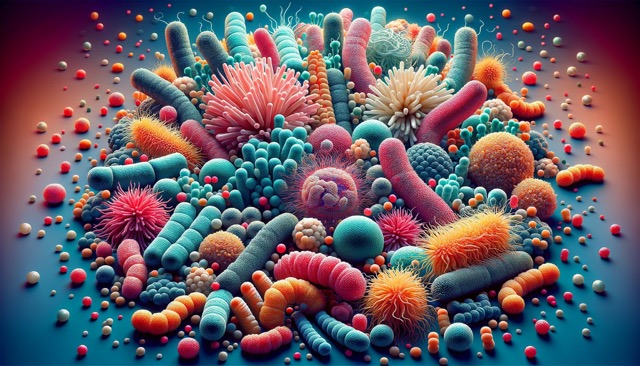
Current research provides compelling evidence that antibiotic treatments administered during the neonatal period can have significant and lasting impacts on the development of the digestive microbiome in puppies.
The digestive microbiome, a complex ecosystem of bacteria residing in the gut, plays a crucial role in digestion, nutrient absorption, and immune function.
Disruptions to this delicate balance during these critical early stages of life can lead to a cascade of health issues.
https://www.threads.net/@emmanuel.fontaine.dvm/post/Cy5unxeufYD
Most notably, these disruptions could potentially result in chronic gastrointestinal disorders later in life.
These disorders can manifest as recurring bouts of diarrhea, constipation, bloating, and other digestive discomforts that can significantly affect the puppy’s quality of life.
Therefore, it’s essential to approach antibiotic use in neonatal puppies with caution and always under the guidance of a veterinary professional.
Before considering any form of medical intervention, it’s always advisable to consult with your vet.
They have the necessary knowledge and experience to guide you in making the best decisions for the health of your puppies.
It’s always a good idea to ask before taking action, as what might seem like a simple solution could potentially lead to a grave mistake.
New Strategies to Promote Puppy’s and Kitten’s Microbiome Health
And in the fascinating world of animal health, be aware that scientists are now exploring innovative strategies that could revolutionize the care of our youngest pets!
For instance, imagine solving the puzzling issue of white poop in puppies and kittens not with medicine… but with fecal transplants instead! And not any fecal transplant, fecal transplant from their heftier littermates!
These plumper puppies often have a more mature microbiome, the complex community of microbes that plays a crucial role in digestion and overall health. By transferring these beneficial bacteria, we could potentially kickstart the gut health of their smaller siblings.

But the innovations don’t stop there. Researchers are also looking into the diet of the mother, uncovering ways that nutrition can influence the microbiome passed on to her offspring. Early findings are promising, hinting that the right supplements could bolster the microbiome of puppies and kittens from birth.
And let’s not forget the first meal—colostrum. This early milk does more than just provide immunity and energy; it’s a cocktail of beneficial bacteria setting the stage for a strong microbiome.
As we deepen our understanding of these microorganisms’ role, we’re reminded of how vital a mother’s first nourishment is. With these insights, we’re on the cusp of developing groundbreaking strategies to foster the health of the next generation of pets.
Taking the right steps at the right time can make all the difference in your puppy’s health. My eBook on canine neonatology is filled with expert advice and practical tips. Download it now to give your puppies the best start in life.
Remember, when it comes to the health of your puppies, it’s always better to be safe than sorry.
Ensuring they receive the appropriate care and treatment tailored to their specific needs is paramount to their growth and development.

 DR. EMMANUEL FONTAINE
2 thoughts on “White stools in newborn puppies and kittens: what does it mean?”