
🇫🇷 Lire en Français | 🇪🇸Leer en Español | 🇧🇷Leia em português
In my lectures on feline neonatology, I consistently emphasize the significance of proper umbilical cord care. It’s a simple yet vital step that can greatly enhance the survival and well-being of newborn kittens.And many kitten caretakers might not realize the importance of this aspect. The umbilical cord, if not properly managed, can lead to health complications… and with the right measures, those can be avoided for sure. Whether you’re a seasoned cat owner or new to the world of feline care, this blog will equip you with the knowledge and confidence to provide the best care for these tiny, adorable beings. Let’s dive into the world of kitten umbilical cord care and ensure a healthy start for these little felines.
- When Do Kitten Umbilical Cords Typically Fall Off?
- Is It Normal for a Kitten’s Umbilical Cord to Bleed?
- Signs That a Kitten’s Umbilical Cord Is Ready to Fall Off
- Caring for a Kitten’s Umbilical Cord
- What If the Umbilical Cord Doesn’t Fall Off Naturally?
- Risks Associated with Improper Umbilical Cord Separation
- FAQs About Kitten Umbilical Cords
When Do Kitten Umbilical Cords Typically Fall Off?

The journey of a newborn kitten is filled with several developmental milestones, one of which is the natural detachment of the umbilical cord. It might not sound like it, but this event is actually a crucial aspect of newborn kitten development and marks a significant phase in their growth stages. Understanding when and how this occurs is essential for any kitten caretaker I think.
Picture the umbilical cord as a vital lifeline between the mother and her kitten during gestation. It indeed serves the purpose of delivering nutrients and oxygen while also removing waste when the kittens are still inside the uterus.
After the kitten’s birth though, this cord, which is attached to the kitten’s abdomen… kind of becomes obsolete. In a healthy development process, the umbilical cord typically falls off naturally between 3 to 5 days after birth. It’s important to note that this process should not be rushed or interfered with!
During the first week of a kitten’s life, you may observe the umbilical cord gradually drying out and shriveling. This is a normal part of the process and indicates that the cord is getting ready to detach.
The area where the cord was attached may appear as a small, red spot, which is normal and should heal completely within 5 to 10 days.
And I cannot emphasize this enough: as a caretaker, your role is to ensure that the area around the umbilical cord remains clean and dry.
You should know that infections in the umbilical cord, also known as omphalophlebitis, are a very common reason for illness in newborn mammals, including kittens!
The detachment of the umbilical cord might typically be a straightforward process, it’s important to be vigilant for any signs of complications. If the umbilical cord does not fall off within the expected timeframe, or if there are signs of swelling, redness, or discharge, it’s crucial to seek veterinary attention. These could be indicators of an infection or other health issues that require professional intervention.
Is It Normal for a Kitten’s Umbilical Cord to Bleed?

A common concern for new kitten owners is whether it’s normal for a kitten’s umbilical cord to bleed. Understanding this aspect of kitten care is crucial in ensuring the health and well-being of your new feline friend.
In the early stages of a kitten’s life, it’s not uncommon to observe a small amount of bleeding when the umbilical cord detaches. This bleeding is typically minimal and should not be a cause for alarm. It’s a natural part of the healing process actually.
Remember what we said earlier though: the area where the cord was attached may appear as a small, red spot… but it should ALWAYS remain dry and clean. And 5-10 days after birth, there should be nothing visible remaining.
So minimal bleeding (I should even say VERY minimal bleeding) is normal, excessive bleeding or continued bleeding beyond the initial detachment of the umbilical cord indicates a problem that should be handled quickly.
It is a reminder that, until it falls off, the umbilical cord should be monitored daily. Signs to watch for include persistent bleeding, significant redness, or swelling around the umbilical area. If this is something you observe, be aware that these symptoms suggest an umbilical cord infection or injury. And those conditions require prompt veterinary attention – no doubt about this.
Signs That a Kitten’s Umbilical Cord Is Ready to Fall Off

Recognizing the signs that a kitten’s umbilical cord is ready to fall off is an important aspect of newborn kitten care, helping to ensure that the process is progressing normally and to identify any potential issues.
And as said earlier, typically, a kitten’s umbilical cord will start showing signs of detachment within 3 to 5 days after birth.
The following are key indicators that the umbilical cord is ready to fall off:
1. Drying and Shrinking: One of the first signs that the umbilical cord is ready to detach is that it will begin to dry out and shrink. The cord, which was initially fleshy and moist, will become increasingly thin and brittle.
2. Color Change: As the umbilical cord prepares to fall off, you may notice a change in its color. It often turns from a darker, reddish hue to a lighter, more faded color, indicating that the tissue is no longer active.
3. Loosening: The attachment of the umbilical cord to the kitten’s belly will start to loosen. This is a natural progression and indicates that the body is preparing to let go of the cord.
4. Minimal Bleeding: When the umbilical cord is ready to fall off, there might be a very small amount of bleeding. This is normal and should not be a cause for concern unless the bleeding is excessive or persistent.
It’s important to note that while these signs are typical, each kitten may experience the detachment process slightly differently. As a caretaker, your role is to observe these changes without interfering. Again, remember, until it falls off, this is something to monitor daily! The umbilical cord should fall off naturally, and any attempt to pull or remove it prematurely can cause harm to the kitten.
If the umbilical cord does not fall off within the expected timeframe or if there are signs of infection or other complications (such as excessive redness, swelling, or discharge), it is crucial to seek veterinary attention.
Caring for a Kitten’s Umbilical Cord

Caring for a kitten’s umbilical cord is a crucial aspect of early kitten care, primarily focused on preventing infection and maintaining proper hygiene. Because the umbilical cord, which is the kitten’s lifeline while in the womb, becomes a potential site for infection after birth if not properly managed as we said previously.
Taking care of a newborn kitten’s umbilical cord should begin as soon as possible. If you’re present at the kitten’s birth, immediately after delivery, it’s important to start with these crucial steps right away actually.

Step 1: Tie and Cut the Umbilical Cord
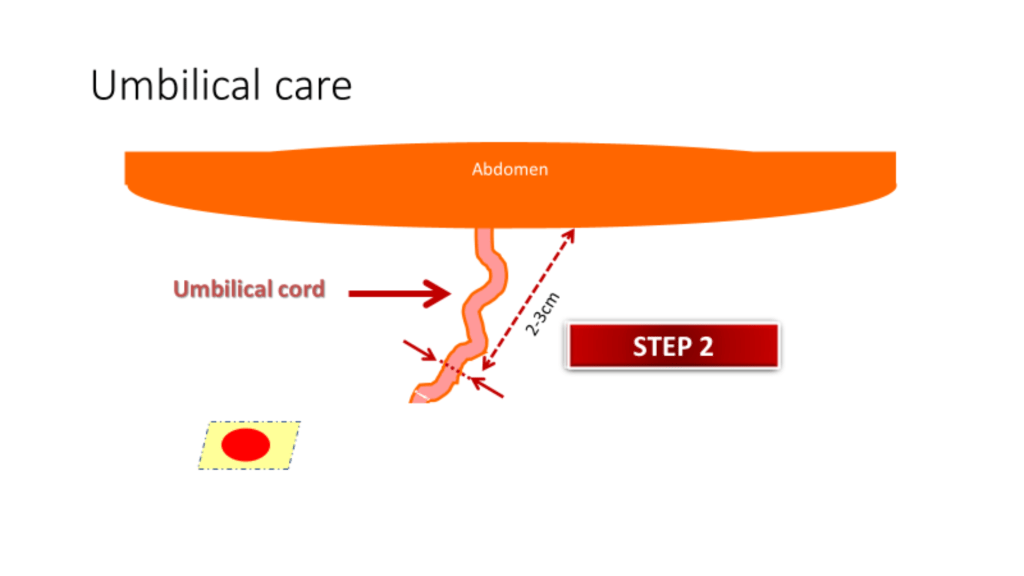
Right after the kitten is born, tie the umbilical cord with a cotton or surgical thread. Make sure to do this 2-3 cm away from the kitten’s belly.
This step is important because the umbilical cord is a blood vessel, and it needs to be securely tied before cutting.
After tying, use clean scissors to cut the cord. The 2-3 cm distance is crucial to prevent germs from traveling up the cord into the kitten’s abdomen. Cutting it too close makes it easier for germs to enter, while leaving it too long increases the risk of accidental pulling, which could lead to hernias.
Step 2: Disinfect the Umbilical Cord
Prepare to disinfect the end of the umbilical cord. This is a critical step to prevent infections like omphalophlebitis.
Use gauze and apply a disinfectant such as chlorhexidine or polyvidone iodine.
Be sure to dilute the disinfectant according to the recommended proportions (like 10% for iodine) to avoid irritating the kitten’s skin.

Step 3: Daily Disinfection and Observation
Disinfect the end of the umbilical cord 2-3 times daily until it falls off.
Each time you disinfect, carefully check for any swelling and ensure the area is dry and clean.
Remember not to pull on the cord while disinfecting to prevent the risk of hernias in the kittens.
Expert Tip: A recent study suggests that it’s better for the kitten if you wait for 3 minutes after it’s born before you start taking care of its umbilical cord. This short wait allows the kitten to absorb oxygen-rich blood from the cord, which can help prevent problems like hypoxia, where the body doesn’t get enough oxygen.
| Observation | Observe the umbilical cord area daily for any signs of infection, such as redness, swelling, discharge, or foul odor. These signs can indicate an umbilical cord infection, which requires immediate veterinary attention. |
| Cleanliness | Keeping the umbilical cord area clean and dry is essential. Gently clean any dirt or debris around the area. Avoid using harsh chemicals or alcohol, as these can irritate the delicate skin of a newborn kitten. |
| Avoid Handling | Minimize handling of the umbilical cord. The cord will naturally dry and fall off on its own, typically within 3 to 5 days after birth. It’s important not to pull or twist the cord, as this can cause harm to the kitten, umbilical hernias especially |
| Disinfect the umbilical cord’s end daily | Use gauze and apply a disinfectant such as chlorhexidine or polyvidone iodine on the end of the umbilical cord 2-3 times a day until it falls off. Always do this, even if the mother has cut the umbilical cord on her own (remember, there are bacteria in her oral cavity!). Always make sure you properly dilute the disinfectants you are using. |
| Monitoring for Complications | After the umbilical cord falls off, continue to monitor the area for a few days to ensure proper healing. Look for any signs of an umbilical hernia, which appears as a bulge near the belly button. |
| Veterinary Consultation | If the umbilical cord does not fall off within the typical timeframe or if there are any concerns about the kitten’s health, consult with a veterinarian. Professional advice is crucial in ensuring the health and well-being of the kitten. |
What If the Umbilical Cord Doesn’t Fall Off Naturally?

There are instances where the umbilical cord may not fall off as expected. Understanding when to seek veterinary assistance is crucial in ensuring the health and well-being of the kitten.
Typically, a kitten’s umbilical cord should dry up and fall off within the first week of life. If the umbilical cord remains attached beyond this period, it may be a sign that intervention is needed.
Here are some guidelines on when to seek veterinary care:
1. Extended Attachment: If the umbilical cord is still attached to the kitten after two weeks, it’s advisable to consult a veterinarian. An extended attachment could indicate an underlying issue that needs professional attention.
2. Signs of Infection: Look for signs of infection around the umbilical area, such as redness, swelling, discharge, or a foul odor. These symptoms can indicate an umbilical cord infection, which requires immediate veterinary treatment.
3. Physical Abnormalities: If the area around the umbilical cord appears bulged or inflamed, it could be a sign of an umbilical hernia, a condition that may require surgical intervention.
4. General Health Concerns: Monitor the overall health of the kitten. If the kitten shows signs of distress, lethargy, or lack of appetite in conjunction with an unseparated umbilical cord, veterinary care is essential.
In cases where the umbilical cord is too long, causing it to dry out slower, a veterinarian might recommend safely trimming the excess cord. This should only be done by a professional to avoid any risk of injury or infection to the kitten.
It’s important to note that while some intervention might be necessary, the majority of umbilical cord issues in kittens are easily treatable and do not pose a long-term health risk. Early detection and prompt veterinary care are key to resolving these issues effectively.
Risks Associated with Improper Umbilical Cord Separation

The proper separation of the umbilical cord in newborn kittens is a critical process, and improper separation can lead to several risks, including infection and hernias. Understanding these risks is essential for ensuring the health and safety of newborn kittens.
| Infection | One of the primary risks associated with improper umbilical cord separation is infection. If the umbilical cord is not properly cared for or if it remains attached for too long, it can become a breeding ground for bacteria. Signs of an umbilical cord infection in kittens include redness, swelling, discharge, and a foul odor from the umbilical area. Such infections require immediate veterinary attention to prevent further complications. |
| Umbilical Hernias | Another risk is the development of umbilical hernias. This can occur if the umbilical cord is pulled or if it is cut improperly, leading to a weakness in the abdominal wall. An umbilical hernia appears as a bulge near the kitten’s belly button and may require surgical intervention, especially if it is large or causing discomfort to the kitten. |
| Delayed Healing | Improper separation or care of the umbilical cord can also lead to delayed healing of the umbilical site. This prolongs the period during which the kitten is vulnerable to infections and other complications. |
| Tangling and Physical Injury | In some cases, if the umbilical cord is left too long, it can tangle with the kitten’s limbs or those of its siblings, potentially causing physical injury or contributing to the development of a hernia. |
To mitigate these risks, it is important to monitor the umbilical cord closely during the first few days of a kitten’s life. Ensure that the area remains clean and dry, and avoid any unnecessary handling or pulling of the cord. If there are any signs of problems, such as those mentioned above, seek veterinary care promptly.
FAQs About Kitten Umbilical Cords

When it comes to newborn kittens, the umbilical cord is a topic that often raises questions among new pet owners. Understanding this aspect of newborn kitten care is crucial for ensuring their healthy development. Here are some frequently asked questions about kitten umbilical cords, addressing common concerns:
1. How Long Does It Take for a Kitten’s Umbilical Cord to Fall Off?
Typically, a kitten’s umbilical cord dries up and falls off within the first week of life, 3-5 days after birth typically. It’s a natural process that usually requires no human intervention.
2. Is It Normal for the Umbilical Cord to Bleed When It Falls Off?
A very small amount of bleeding is normal when the umbilical cord detaches. However, excessive or prolonged bleeding should be checked by a veterinarian.
3. What Should I Do If the Umbilical Cord Doesn’t Fall Off Naturally?
If the umbilical cord remains attached beyond two weeks, it’s advisable to seek veterinary advice. Do not attempt to remove the cord yourself, as this could cause harm to the kitten.
4. How Can I Prevent Infection in the Umbilical Area?
Keep the umbilical area clean and dry. Monitor for signs of infection, such as redness, swelling, or discharge, and consult a veterinarian if these symptoms appear.
5. What Are the Signs of an Umbilical Hernia?
An umbilical hernia is usually visible as a bulge near the kitten’s belly button. If you notice any abnormal swelling or the kitten appears to be in discomfort, seek veterinary care.
6. Can I Bathe My Kitten If the Umbilical Cord Is Still Attached?
It’s best to avoid bathing a kitten until the umbilical cord has fallen off and the area has healed completely to prevent the risk of infection. As a general rule actually, it is not recommended to bathe the kittens during the neonatal period, unless they are covered with dirt (which can happen in orphaned kittens) or infested by fleas.
7. What Are the Risks Associated with Improper Umbilical Cord Separation?
Risks include infection and the development of umbilical hernias. Proper care and monitoring are essential to prevent these issues.
8. How Does Umbilical Cord Care Fit into Overall Newborn Kitten Care?
Umbilical cord care is a part of overall newborn kitten care, which also includes feeding, warmth, and regular health checks. It’s important to monitor the kitten’s growth stages and ensure they are developing healthily.
There’s a common misconception that if the mother cat has properly cut the cord, no further care is needed. After reading this blog, you now understand why I strongly disagree with this notion. Taking care of the umbilical cord is a simple yet crucial action that can significantly impact the well-being of these tiny creatures. It’s a proactive measure that can prevent complications and optimize their health right from the start. I hope this blog has provided you with a clearer understanding of the importance of umbilical cord care in newborn kittens. Now that you’ve read through it, you should be well-equipped with the knowledge and confidence to take the right steps in caring for these adorable little beings. Remember, a little care goes a long way in giving these kittens the best start in life – I have no doubt about this!

 DR. EMMANUEL FONTAINE