This blog navigates the nuances of mastitis in pets, the necessity of C-sections across pregnancies, and the intricacies of detecting cervical readiness for…
Category: Dog Breeding
Explore the art and science of dog breeding, from genetic principles to ethical practices. This section offers insights into selecting breeding pairs, and enhancing reproductive health as well as newborn puppy care. Ideal for both novice and seasoned breeders seeking to refine their knowledge and contribute to the betterment of canine health.
[BLOG] Determining the due date in the bitch: can we do this ?
Discover the art of determining the due date in canines with precision and confidence.
[BLOG] The genomic era: how new genetic tools will revolutionize canine breeding
In the transformative landscape of canine breeding, the genomic era ushers in groundbreaking genetic tools set to redefine our approach.
[BLOG] Why parasite-free dogs might remain a myth…
Parasites in dogs remain a widespread concern, challenging the notion of achieving a completely parasite-free status for our canine friends.
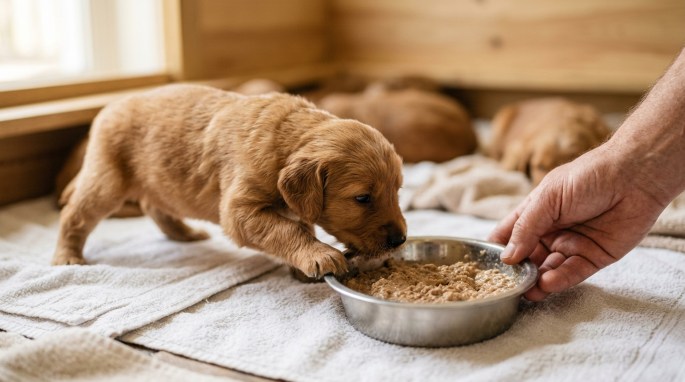
Why Does Weaning Diarrhea Happen in Puppies?
Weaning diarrhea is a predictable microbiome transition event, not a failure.
[BLOG] “Larva migrans”: a scientific name for something you should be aware of !
Discover the crucial battle against gastro-intestinal parasites in breeding kennels, emphasizing the significance for canine breeders.
[BLOG] Giardia infection : important things to know about it !
Giardia infection in pets, especially in breeding kennels and catteries, is a significant challenge due to its complexity and resistance in the environment.
[BLOG] About puppies’health: 5 things to keep in mind when weaning them !
Transitioning puppies from milk to solid food is crucial for their health and development.

How to Protect Your Kennel From Brucellosis
One infected dog can silently destroy your entire breeding program. Here's how to stop brucellosis before it starts.
[BLOG] Doc, there’s one “ball” missing in this puppy: is it going to be a problem ?
2 to 5% of male pups. This condition, where one or both testicles fail to descend into the scrotum, can have significant implications.

