3 marqueurs surprenants pour rรฉussir en reproduction du chien et du chat

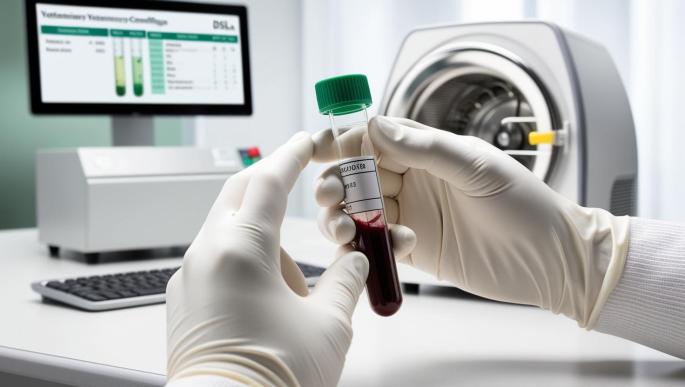
ร€ la fin du mois de juin, je me suis retrouvรฉ ร  flรขner dans les rues de Barceloneโ€”non, pas juste pour les tapas et les chefs-d'ล“uvre de Gaudรญ, mais pour assister ร ย la rรฉunion de l'EVSSAR.ย C'est la confรฉrence europรฉenne annuelle oรน les spรฉcialistes de la reproduction canine et fรฉline comme moi se rรฉunissent une fois par an. Et parmi toutes les confรฉrences, une en particulier a attirรฉ mon attention. Elle a รฉtรฉ prรฉsentรฉe par mon bon ami le Dr Hasan Sontas, intitulรฉeย ยซ Tests de laboratoire dans les cas de reproduction ยป. J'ai vraiment apprรฉciรฉ sa prรฉsentation ; c'รฉtait un excellent mรฉlange de science et de conseils pratiques pour tout รฉlevage canin ou fรฉlin, ainsi que pour nos cliniques.ย Intriguรฉ(e) ? Laissez-moi vous donner plus de dรฉtails ici !

The Surprising 3 Markers Boosting Breeding Success in Dogs & Cats

At the end of June, I found myself wandering through the vibrant streets of Barcelonaโ€”not just for the tapas and Gaudรญ's masterpieces, butย to attend the EVSSAR meeting.ย It's the annual European conference where dog and cat reproduction specialists like me gather once a year.ย  Among all the lectures, one particularly grabbed my attention. It was delivered by my good friend Dr. Hasan Sontas, titledย โ€œLaboratory Tests in Repro Cases: An Update.โ€ I really enjoyed his lecture; it was a great mix of science and practical tips that anyone can use in their kennel, cattery, or veterinary clinic.ย Intrigued? Let me break it down.

Breed Smart: Male Dog Fertility Tests & Age Guide

Discover key insights on dog fertility tests and the ideal breeding age for male dogs to optimize your breeding strategy and ensure healthy litters.

The Science of Dog Litter Size

As a breeder or veterinarian, understanding the factors that influence the size of a litter of puppies is crucial. Maternal factors such as breed, age, and breeding method all play a role in determining the average litter size of dogs. In this comprehensive blog, we explore the science behind the relationship between these factors and the impact they have on the well-being of both mothers and their newborns. Join us as we delve into the fascinating world of canine breeding and learn about the critical importance of litter size.

Dog Breeding Insights: Beyond the Ruler!

A humorous Facebook comment recently sparked my interest, offering the perfect segue into a deeper discussion on the importance of breeding soundness evaluations in male dogs. It's a topic that, while often overlooked, is crucial for the health and future of our canine companions.

Unlocking Canine Fertility Secrets: The Power of AMH Testing

The use of Anti-Mรผllerian Hormone (AMH) in canine breeding programs could be a game-changer. In a recent study, researchers established a normal reference interval for AMH in breeding bitches and found a positive correlation between AMH concentration and litter size. This suggests that AMH testing could be used to predict litter size or give an idea of a bitch's breeding potential. By identifying bitches with higher AMH levels, veterinary clinics could optimize breeding potential and minimize breeding-related risks. However, AMH testing is not without its limitations, and more research is needed to fully understand its role in predicting litter size and fecundity. Nonetheless, the discovery of AMH is an exciting development in the field of canine reproduction and could lead to the development of more accurate and precise testing methods.

Breaking Down Small Animal Reproduction: Myths and Misconceptions

As veterinarians and breeders, we are responsible for ensuring the health and wellbeing of our animal companions, particularly in the area of small animal reproduction. However, we must remain cautious when interpreting research findings, as conflicting data and limited information can make it challenging to draw conclusions about best practices. In addition, there are numerous challenges facing small animal reproduction, from infectious diseases to the emotional toll that unsuccessful breeding attempts can take on pet owners and breeders alike. By prioritizing animal welfare, staying informed on emerging reproductive technologies, and working together to address these challenges, we can continue to improve the health and longevity of our animal companions.

I was invited to a podcast… and this is what it reminded me (2021)

Invited to share insights on a recent podcast, this post explores the intricate world of animal breeding and reproductive health. Focusing on both dogs and cats, the discussion covers key aspects of breeding techniques, the significance of genetic health, and the role of hormonal assessments in ensuring successful outcomes.

Canine Reproduction : Vaginal Smears and Timing of Ovulation

Discover essential insights into canine reproduction with this comprehensive guide on vaginal smears and the timing of ovulation in dogs. Learn how to accurately predict ovulation and optimize breeding success. This detailed analysis helps breeders understand the best times for mating and increase the chances of pregnancy.

[BLOG] Estrus Induction : Yes We Can in Canines

Unlock the potential of estrus induction in canines with this comprehensive guide! Whether you're a seasoned breeder or just starting out, understanding how to effectively manage the reproductive cycle of your dogs is crucial. Our latest blog post explores the innovative methods and hormonal treatments used to control and stimulate estrus in female dogs. Learn about the roles of key hormones like progesterone and estrogen, and discover practical tips for successful breeding outcomes.