
In the world of cat and dog breeding, understanding the risks and prevention strategies for coccidia infection is crucial for maintaining the health of your kennel or cattery. This comprehensive guide explores the significance of coccidia, a common yet often overlooked parasite that can affect both puppies and kittens, particularly in environments where animals are bred and raised. With an emphasis on practical advice, the blog outlines effective measures for diagnosis, treatment, and, most importantly, prevention to ensure the well-being of your breeding animals and their offspring.
Tag: Cat Breeding 101
An introductory guide to cat breeding, highlighting key considerations for healthy litters.
[BLOG] Should you worry about coccidia infection in catteries and kennels ? ( Part I )
Coccidia infection presents a notable health concern for cats and dogs in catteries and kennels, impacting animals of all ages but posing a significant risk to the very young. This comprehensive guide addresses the symptoms, transmission, and prevention strategies of coccidia, aiming to educate breeders and pet owners on effective management practices. Understanding the life cycle of coccidia and implementing strict sanitation measures can significantly reduce the risk of infection. Additionally, the blog highlights the importance of early detection and treatment options available to combat this infectious disease, ensuring the well-being of your breeding program and safeguarding the health of puppies and kittens.
[BLOG] Pinterest : a revolution in canine & feline breeding ?
Explore the transformative impact of Pinterest on canine and feline breeding in our latest blog. This comprehensive guide illuminates how breeders and pet enthusiasts are leveraging Pinterest to showcase their kennels and catteries, enhancing the visibility of breeding programs worldwide. Discover practical tips on utilizing Pinterest boards for breeding insights, including puppy and kitten growth, nutrition, and health care strategies. With an emphasis on visual content, Pinterest offers a unique platform for breeders to share their success stories, educate on best practices, and connect with a broader audience.
[BLOG] Feline reproduction: spermogram in cats, feasible or not?
Exploring the feasibility of conducting a spermogram in cats, this comprehensive blog provides key insights into the innovative approach to feline reproduction. With a focus on the technical aspects and potential benefits, it addresses common concerns and outlines the process involved in sperm analysis for breeding purposes. The article aims to enlighten cat breeders and veterinarians about the advancements in reproductive health checks, highlighting how this method can contribute to better breeding strategies and improved genetic health in felines.
[BLOG] Feline reproduction: when looking for a new breeding male (Part II)
Selecting the right breeding male cat is crucial for feline breeders. Opting for a young adult rather than a kitten can significantly impact breeding programs. Young adults are at their prime reproductive performance and can quickly integrate into breeding efforts. Moreover, kittens, despite reaching puberty early, may not be ready for breeding due to immature sperm quality. Adult males, especially those with breeding experience, can provide valuable insights into fertility and genetic contributions to the cattery. It's essential to assess both physical and reproductive health, including testosterone levels indicated by penile spines, to ensure the selection of a fertile and genetically suitable stud.
[BLOG] Feline reproduction: when looking for a new breeding male (Part I)
Exploring the intricate journey of selecting a new breeding male for your cattery is crucial for the success of any feline breeding program. This comprehensive guide offers invaluable insights into understanding key reproductive hormones like testosterone, estrogen, and progesterone, which play pivotal roles in feline reproduction. It addresses the significance of conducting thorough breeding soundness examinations to ensure the health and fertility of potential studs, while also highlighting the importance of genetic diversity and health testing to avoid common reproductive issues. For breeders aiming to enhance their breeding strategies, this article sheds light on the critical aspects of selecting the right sire, focusing on optimizing the genetic and health outcomes for future litters
[BLOG] Pyometra in bitches and queens: antibiotics alone will NEVER be enough
Pyometra, a serious and potentially life-threatening infection of the uterus, poses a significant risk to bitches and queens. This blog explores why antibiotics alone are insufficient for treating pyometra and emphasizes the critical need for veterinary intervention. Pyometra can lead to severe health complications if not promptly and effectively addressed. Treatment often requires surgical intervention, alongside antibiotics, to fully eradicate the infection and prevent recurrence. Understanding the signs of pyometra, such as lethargy, vaginal discharge, and loss of appetite, is crucial for early detection and treatment.
[BLOG] Embryonic resorptions in small animal reproduction: why finding out is important
Understanding the impact of embryonic resorptions on small animal reproduction is crucial for breeders and veterinarians alike. This phenomenon, often unnoticed, can significantly affect litter size and the health of the dam. By identifying the causes and implications of embryonic loss in dogs and cats, we can improve breeding strategies and enhance prenatal care. Our comprehensive overview explores the importance of monitoring and addressing this issue to ensure the well-being of both the mother and her offspring
[BLOG] 2014 SFT meeting: news I need to share with you (Part I)
Explore the cutting-edge of canine reproduction with key findings from the 2014 SFT meeting. The post covers important topics such as the mechanics of dog spermatogenesis, critical insights from breeding soundness evaluations, and practical breeding strategies.
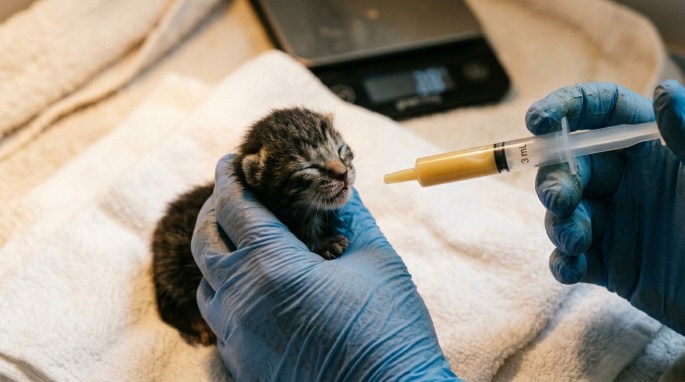
Colostrum and Kittens’ Immunity: What Every Cat Breeder Should Know About Passive Transfer
Understanding the pivotal role colostrum plays in the development of a kitten's immune system is crucial for breeders and cat owners alike. This blog highlights the essential benefits colostrum provides to newborn kittens, ensuring they kick off life with robust health. Colostrum, the first form of milk produced by the mother post-birth, is laden with antibodies and nutrients, vital for disease protection and overall growth. For kittens, the first hours after birth are critical; their ability to absorb these life-saving antibodies diminishes rapidly. Insights into ensuring kittens receive this vital nutrition, potential challenges in natural feeding, and the importance of timing for optimal immunity are provided.
 DR. EMMANUEL FONTAINE