
In the transformative landscape of canine breeding, the genomic era ushers in groundbreaking genetic tools set to redefine our approach. This blog explores the significant impact of genetic advancements on dog breeding practices. With a focus on optimizing health, longevity, and traits, these technologies promise to enhance the selection process, ensuring a healthier future for our canine companions. Discover how genetic testing and personalized breeding strategies can lead to more predictable and desirable outcomes in dog breeds.
Tag: Newborn Puppy Care
Essential practices for the care and monitoring of newborn puppies to ensure healthy development.
[BLOG] Why parasite-free dogs might remain a myth…
Parasites in dogs remain a widespread concern, challenging the notion of achieving a completely parasite-free status for our canine friends. This blog explores the persistent battle against parasites like Giardia and Coccidia, and the critical role of vigilant preventative measures. Despite advancements in veterinary care, including effective deworming protocols and comprehensive vaccination schedules, eradicating parasites in dogs is an ambitious goal. Emphasizing the importance of regular health checks, this piece sheds light on why complete freedom from parasites might still be a myth.
[BLOG] “Larva migrans”: a scientific name for something you should be aware of !
Discover the crucial battle against gastro-intestinal parasites in breeding kennels, emphasizing the significance for canine breeders. Gastro-intestinal parasites, including Toxocara canis, pose significant challenges, adopting strategies like hypobiosis and resistant eggs to thrive alongside dogs. These parasites not only threaten canine health but also pose zoonotic risks to humans, especially vulnerable groups, leading to the larva migrans phenomenon. Highlighting simple yet effective preventive measures, such as proper deworming and hygiene practices, this blog underscores the importance of awareness and action in mitigating these risks in kennel environments.
[BLOG] Giardia infection : important things to know about it !
Giardia infection in pets, especially in breeding kennels and catteries, is a significant challenge due to its complexity and resistance in the environment. This blog highlights the critical aspects of managing Giardia infections, emphasizing that around 10% of dogs, 30-50% of puppies, and nearly all breeding kennels could host this parasite. Understanding Giardia's epidemiology, diagnosis, treatment, and prevention is crucial for breeders to maintain healthy kennels and catteries.
[BLOG] About puppies’health: 5 things to keep in mind when weaning them !
Transitioning puppies from milk to solid food is crucial for their health and development. Our blog shares expert advice on optimal weaning practices, highlighting the importance of timing, progression, meal frequency, hygiene, and specialized nutrition. These insights aim to reduce weaning stress and prevent common issues like diarrhea, ensuring a smooth transition for your puppies. Perfect for breeders looking to enhance their weaning process.
[BLOG] Cleaning vs Disinfecting ? Why your shelter staff needs to know the difference
Understanding the distinction between cleaning and disinfecting is crucial for shelter staff to maintain a safe and disease-free environment for animals. Cleaning involves removing organic matter such as dirt and feces to achieve physical cleanliness, while disinfecting aims at destroying or inhibiting the growth of disease-causing microorganisms for bacteriological cleanliness. This process is essential as a two-step protocol: first cleaning to remove organic debris and then disinfecting to target the remaining germs.
[BLOG] Neonatology in shelters? 5 reasons why you should have your staff trained !
Neonatal care for puppies and kittens involves more than just feeding and warmth; it's about creating a robust foundation for their health, growth, and well-being. In this enlightening blog, we explore the top five reasons to equip your shelter team with the knowledge and skills to nurture these vulnerable newborns effectively.
[BLOG] Doc, there’s one “ball” missing in this puppy: is it going to be a problem ?
In the world of canine breeding, encountering a puppy with a missing testicle, known as ectopic testis or cryptorchidism, is not uncommon, affecting 1.2 to 5% of male pups. This condition, where one or both testicles fail to descend into the scrotum, can have significant implications. For breeders, it means such individuals should not be bred due to the potential spread of unfavorable genetics and should be neutered to prevent health risks like testicular tumors and torsion.
[BLOG] True Story : Why I had a crush on Starter
Discover a true tale of unexpected lessons in dog breeding from a vet student's perspective. Learn how a chance encounter led to a newfound understanding of the importance of proper nutritional management during a dog's pregnancy.
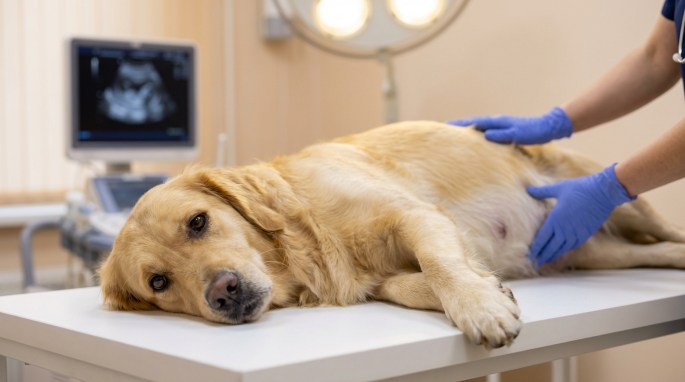
How to Spot and Manage Canine Maternal Hydrops
A rock-hard belly in late pregnancy could be deadly hydrops. Learn to spot the warning signs your vet might miss — before it’s too late.
 DR. EMMANUEL FONTAINE