Explore Swimmer Puppy Syndrome in our blog, covering causes, treatment, and prevention, with new strategies for healthier newborn puppies.


Options and advice for choosing milk replacers for puppies needing supplemental feeding.
Explore Swimmer Puppy Syndrome in our blog, covering causes, treatment, and prevention, with new strategies for healthier newborn puppies.

Mastering newborn puppy care is essential for their healthy growth. Dive into our A-to-Z guide to ensure you're nurturing new beginnings right from day one.
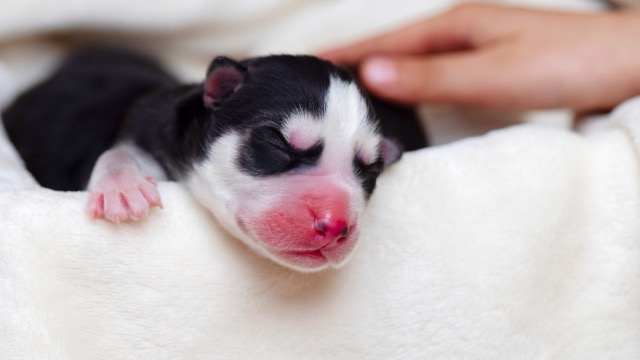
In my latest blog, explore the the complexities of Fading Puppy Syndrome. Understand it's not just a disease but a multifaceted condition with diverse triggers. With today's unparalleled knowledge and proactive care strategies, we can reshape the narrative for at-risk puppies.
In dog breeding, the first days are pivotal. Neonatal puppy care is more than basic needs; it's a commitment to a puppy's future. This blog underscores vital puppy survival tips, spotlighting essential care steps often missed by breeders. From umbilical cord attention to early health indicators, we offer insights to enhance your breeding practices. Knowledge is power, and in neonatal puppy care, it's the difference between thriving and merely surviving. Equip yourself with these crucial tips and champion the well-being of every newborn pup.
Dive into our latest blog post as we demystify 'Fading Puppy Syndrome'. We highlight critical tools and methods for early detection, stress the importance of proactive prevention, and guide you on how to react in the unfortunate event of neonatal mortality. Our goal? To empower you with knowledge, helping you enhance the health and survival chances of your beloved puppies. Join us in transforming the future of canine neonatology.
Discover the surprising and heartwarming connection between our four-legged friends and the health of our little ones. In this eye-opening blog, we dive into the fascinating world of dogs, gut microbiomes, and infant health, revealing how our furry companions may play a key role in reducing allergy and asthma risk in children.
Despite the availability of growth charts, underutilization of growth data is still a problem. Time constraint is often cited as the reason why growth charts are not used in human medicine, and the same applies to veterinary medicine. But making time for thorough analysis and monitoring of growth patterns can prevent potential health problems and ensure timely treatment. We need to make the use of growth charts an atomic habit of veterinary pediatric consultation, just like how human doctors make it a part of their pediatric consultations.
Discover how growth charts for puppies and kittens can revolutionize how we care for them. By using insights from human medicine, we can identify and intervene early on with failure to thrive, ensuring optimal growth and development for these young animals.
As a veterinarian or breeder, it is crucial to understand the various maternal factors that have an impact on the health of puppies at birth. Every pup has the potential to grow into a strong, healthy dog, but ensuring their well-being starts from the moment they are born. From the mother's diet and physical condition to the environment in which she gives birth, there are several key factors that play a role in the overall health and development of the litter. In this blog, we will explore some of the most critical maternal factors that can affect puppies' health and well-being, and provide tips and recommendations to maximize the chances of a successful birth
Breeding healthy and thriving puppies is the goal of every dog breeder. But, to achieve this goal, it's important to understand and monitor the neonatal mortality in your breeding program. Neonatal mortality refers to the number of deaths of puppies within the first three weeks of life and is influenced by various factors, including genetics, maternal care, and environmental conditions. In this blog, we dive into the key elements that contribute to neonatal mortality and provide practical tips and insights on how to reduce it and ensure the success of your breeding program. From proper nutrition and disease prevention for the dam, to effective management during pregnancy and delivery, we cover it all. Read on to learn how to make the future of your breeding program bright.
 DR. EMMANUEL FONTAINE