
Ensuring consistent nutrition in animal shelters is crucial for the health and well-being of resident cats and dogs. This blog explores the significant impact of stable dietary practices on animal health, focusing on the key aspects of nutritional consistency. By highlighting the challenges shelters face in providing balanced meals and the solutions to overcome these, we underscore the importance of dietary planning and execution. Understanding the nutritional needs of shelter animals can lead to improved health outcomes, supporting their journey towards adoption.
Tag: Puppy Milk Replacer
Options and advice for choosing milk replacers for puppies needing supplemental feeding.
[BLOG] Weaning puppies: what stools can tell…
In the crucial stages of puppy development, understanding the signs from their stools is key to ensuring optimal health. This comprehensive guide offers insights into the weaning process of puppies, highlighting how changes in their stools can signal important health issues or progress. It covers essential aspects of dog nutrition, the transition from mother's milk to solid food, and the role of puppy milk replacer in this pivotal period. With a focus on maintaining the digestive health of weaning puppies, the blog provides valuable tips on monitoring stool consistency, color, and frequency.
[BLOG] Neonatology: why I don’t see breast-feeding puppies and kittens as an option Part I
In the realm of neonatology for puppies and kittens, the significance of early nutrition cannot be overstated. While many consider natural feeding by the mother as the ideal option, this blog explores the complexities and challenges that can make breastfeeding not always viable for newborn pets. Addressing critical factors such as maternal health issues, insufficient milk production, and the risk of transmitting infectious diseases, it highlights the necessity of exploring alternative nutritional strategies. With a focus on ensuring the health and development of puppies and kittens, this piece examines the role of puppy and kitten milk replacers as essential tools in neonatal pet care.
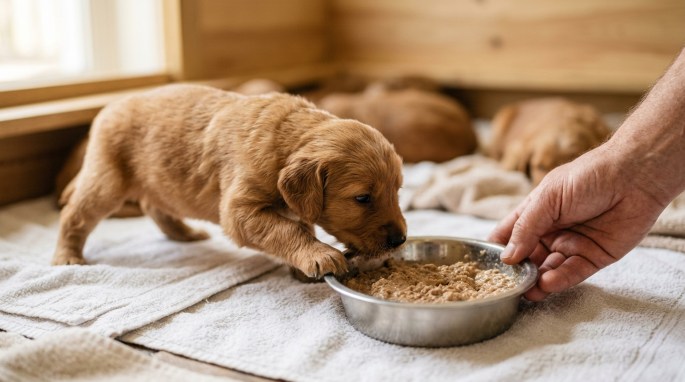
Why Does Weaning Diarrhea Happen in Puppies?
Weaning diarrhea is a predictable microbiome transition event, not a failure. Pancreatic enzymes mature by week 8, gut bacteria reset over 2 to 3 weeks, and 75% of puppies carry 2 or more pathogens simultaneously. A 7-day gradual food transition, targeted probiotics, and fecal PCR testing at week 5 or 6 transform reactive troubleshooting into proactive support.
[BLOG] About puppies’health: 5 things to keep in mind when weaning them !
Transitioning puppies from milk to solid food is crucial for their health and development. Our blog shares expert advice on optimal weaning practices, highlighting the importance of timing, progression, meal frequency, hygiene, and specialized nutrition. These insights aim to reduce weaning stress and prevent common issues like diarrhea, ensuring a smooth transition for your puppies. Perfect for breeders looking to enhance their weaning process.
[BLOG] True Story : Why I had a crush on Starter
Discover a true tale of unexpected lessons in dog breeding from a vet student's perspective. Learn how a chance encounter led to a newfound understanding of the importance of proper nutritional management during a dog's pregnancy.

