
Did you know that nearly 20% of newborn puppies don’t make it past their neonatal stage? Effective newborn puppy care is crucial to change this statistic.
By “neonatal stage”, understand this period that goes from birth to nutritional weaning (=when puppies start eating solid food), typically around 3-4 weeks of age.
This alarming statistic highlights the critical importance of newborn puppy care.
As they enter the world, blind, deaf, and utterly dependent, their vulnerability is palpable. When it comes to newborn puppy care, a consistent milk supply ensures they’re nourished. They are susceptible to various health challenges. And because their rapid physical development coincides with behaviour changes, any misstep in their care can lead to severe consequences.
Therefore, the purpose of this blog is not to alarm but to empower.
While the neonatal mortality rate for puppies is disheartening, it’s essential to recognize that many of these deaths are preventable. At least, there are many puppy health tips and things you can do to prevent it as much as possible.
In my lectures on this topic, I keep repeating the following: “an ounce of prevention is worth a pound of cure.”
Dog breeder education is fundamental; and when it comes to newborn puppy care, this couldn’t be truer.
The nuances of their care, the subtle signs of distress, and the proactive measures to ensure their well-being can make all the difference.
Every puppy deserves a fighting chance, and with the right knowledge, we can give them just that.
By reading this blog, you’re taking the first step towards ensuring the best possible start for these little lives. And you will see – there are tons of (simple) things you can do there!

from Birth to 6 Weeks of Age.
Every dog breeder should familiarize themselves with these critical stages to optimize newborn puppy care.
Download this table to optimize newborn puppy care and keep it handy as a go-to reference!
Table of content
- Essential Newborn Puppy Care: How to Provide the Best Start?
- How to Recognize Physical and Behavioral Changes in Newborn Puppies?
- How to Train and Socialize Your Newborn Puppy?
- How to Address Common Health Concerns in Newborn Puppies?
- How to Handle Special Circumstances in Puppy Care?
- How to Find Additional Resources for Newborn Puppy Care?
Essential Newborn Puppy Care: How to Provide the Best Start?

A Clean and Safe Environment
Ensuring that newborn puppies have a clean and safe environment is paramount.
While being in this initial phase of their life, they are indeed highly vulnerable to numerous health threats; and those can definitely be mitigated by proper environmental care. This should always be a top priority when it comes to newborn puppy care.
Why a Clean Environment Matters
Disease Prevention
The prevalence of many diseases, particularly bacterial infections in newborns, is directly linked to their living environment. A contaminated environment can serve as a breeding ground for harmful pathogens.
Physical Safety
Newborn puppies are incredibly delicate and vulnerable. Their tiny bodies, combined with their limited mobility and unawareness of the world around them, make them susceptible to various risks in their environment.
Puppies can easily trip, slip, or get stuck in small gaps or crevices.
Exposure to cold can lead them to suffer from hypothermia, while too much heat can result in heatstroke. A simple draft or a direct sunbeam can quickly become dangerous for them.
Especially in households with a lot of foot traffic or larger animals, there’s a risk of a puppy being accidentally stepped on or knocked over.
Water dishes, tubs, and even shallow pools can be dangerous for a newborn puppy. Their inability to move quickly or get out of the water can result in accidental drownings.
Not all animals understand the fragility of a newborn puppy. Larger dogs, cats, or even birds might see them as a plaything or, worse, a threat. Interactions can lead to unintentional harm or even predatory behavior.
Key Features of a Safe Puppy Environment
Daily Cleaning and Disinfection

In my lectures, I frequently emphasize the distinction between cleaning and disinfecting in kennels, viewing it as the cornerstone of protection for dog breeders.
Cleaning refers to the removal of dirt, grime, and organic material from surfaces, ensuring a visually clean environment.
On the other hand, disinfecting targets the invisible threats; it involves using specific agents to kill harmful bacteria, viruses, and fungi.
It is ALWAYS a two-step process, and this differentiation becomes even more vital during the neonatal phase of puppies. Given their heightened vulnerability to bacterial threats at this stage, dog breeders must understand that while cleaning provides a neat appearance, disinfecting offers a deeper, crucial layer of protection.
Daily Bedding Changes
Beddings provide comfort to the newborn puppies… but they can also be a breeding ground for harmful bacteria. And if overlooked, those can lead to serious neonatal infections! Just as we emphasize the daily cleaning and disinfection of surfaces in a kennel, the same urgency should be applied to puppy beddings.
Every crevice and corner of a bedding can trap moisture, dirt, and biological material, making it a hotspot for bacterial growth. In puppies, whose immune systems are still developing and are less equipped to combat these threats, an unchecked bedding can become a silent assailant.
Routine washing isn’t just a chore; it’s a protective measure for these tender beings. Simply use your washer here, it will ensure a thorough cleaning and disinfection, eliminating the hidden threats that might lurk within the fabrics. It’s a step that might seem mundane, but its impact on a puppy’s health is monumental actually!
And actually, I recently came across a heartbreaking clinical case. A neonatal infection had affected a newborn puppy, and upon investigation, it became evident that the beddings had remained unchanged since the mother gave birth. And as you can imagine, this could have been prevented…
This definitely underscore the pressing need for consistent and rigorous bedding hygiene. It’s not just about cleanliness; it’s about safeguarding the fragile lives that trust and rely on us.
Use of a Whelping Box

A whelping box is a safe and secure area where a female dog can give birth and nurture her puppies. See it as a protective haven for birthing and raising newborn puppies.
And while there are myriad options available, these are the essential characteristics I prioritize when selecting the ideal whelping box:
- Easy Cleaning: Let me repeat what I said earlier: sanitation (=cleaning + disinfecting) is THE cornerstone of protection in a kennel. That’s why the ideal whelping box should always be simple to clean and disinfect.
- Puppy Rails: A whelping box should be equipped with puppy rails. These are essential to prevent puppies from being accidentally squashed against the box’s walls.
Breaking it Down: Steps to Maintain a Puppy-Safe Zone
- Select the Right Spot: Choose a quiet place away from regular household traffic. Keep in mind this is a place that should be easy to clean and disinfect as mentioned earlier (so no carpet for instance)
- Set Up the Whelping Box: Ensure it’s of the right size, has puppy rails, and is made of non-porous material for easy cleaning.
- Set Up your Daily Routine: Every day, remove old bedding, clean and disinfect the box, and put fresh bedding.
Maintaining the Right Temperature
The accurate regulation of temperature is crucial for newborn puppies.
Indeed, they are unable to self-regulate their body temperature during the first three weeks after birth; and this can lead to life-threatening conditions like hypothermia.
This lack of thermoregulation can lead to complications such as impaired digestion, making their sustenance a challenge.
Optimal Temperature Solutions for Puppy Nests

1. Heating Lamps: A heating lamp emits infrared radiation, providing direct warmth to a newborn puppy without heating the surrounding air. My preferred choice, as they are effective and eliminate risks like electric cord chewing by mothers.
2. Heating Pads: A heating pad generates warmth through electrical resistance, offering a consistent, warm surface upon which a newborn puppy can rest.Though popular, there’s a risk of mothers chewing on their electric cables, which can be hazardous.
3. Water Bottles: A water bottle, when filled with warm water and securely sealed, retains and radiates heat, providing a gentle warmth to a newborn puppy when placed nearby or under bedding. A classic method, though it requires regular monitoring for optimal temperature.
Temperature Targets for the Initial Weeks
In the nest, these are the temperatures I recommend for newborn puppies during the first three weeks after birth.
– First Week after birth: Aim for a nest temperature of 30°C (86°F).
– Second Week after birth: Target a nest temperature of 28°C (82.4°F).
– Third Week after birth: The desired nest temperature is 25°C (77°F).
Note: These temperatures are specific to the puppy nest and not the overall room temperature. An overly warm room can make the mother uncomfortable, causing her to leave the nest.
Advanced Tools for Breeders

– Newborn Puppy Incubators: Similar to human pediatric incubators, these specialized tools can be invaluable when trying to warm a cold puppy. While these can be a significant investment, they’re worth considering for dedicated breeders.
– Weather Station: Humidity is another essential factor to monitor. Invest in a reliable weather station to ensure humidity levels within the nest remain around 55% ±10%.
Nursing, Nutrition, and Feeding Guidelines
For newborn puppies, mother’s milk isn’t just food – it’s their primary source of vital energy and nutrients. It plays a critical role during their intense growth phase.
The smaller the puppy, the more rapid and pronounced this growth.
Ensuring an abundant and nutrient-rich milk supply is therefore essential for their healthy development.
Milk Production: What You Need to Know
Checking MILK Production Post-Birth

Always inspect if the mother is producing milk immediately after giving birth. Certain malformations can hinder milk production, so it’s paramount to verify its presence.
Optimizing Milk Production
The foundation for abundant milk production begins well before the puppies are born.
1. Gestation Feeding: Proper nutrition for the mother during pregnancy plays a pivotal role.
During the gestation period, puppies experience a significant growth spurt, acquiring 70% of their final birth weight in just the last 20 days before delivery.
As a result, it is recommended to provide female dogs with a maintenance energy level diet from the time of breeding up to day 42 of gestation. Only after this point, around day 42, should they be transitioned to a growth-oriented diet, like a puppy diet for instance.
This strategic feeding regimen not only supports the healthy development of the fetuses but also bolsters their vitality at birth, setting them up for a strong start to life.
2. Lactation Diet: During lactation, prioritize free-feeding the mother with a growth-specific diet – typically the same puppy diet you’ll use during weaning.
It’s the single phase where the mother’s energy needs can skyrocket to 2-3 times the usual, contingent on the number of puppies she’s nursing.
Emergency Preparedness: The Need for a Milk Replacer

Sometimes, despite best efforts, a mother might be unable to produce milk immediately or might not produce enough.
In such scenarios:
– Milk Replacers: Always keep a dedicated puppy milk replacer on hand. These are formulated to closely mimic mother’s milk and can be a lifesaver during emergencies.
VERY IMPORTANT: always feed a dedicated puppy milk replacer! Other alternatives (human milk replacer, goat’s milk…) ARE NOT APPROPRIATE for newborn puppies.
– Feeding Frequency: Puppies typically nurse between 12 to 20 times daily, indulging in small, frequent meals. Their primary activities during this phase are eating and sleeping, emphasizing the significance of a consistent milk supply.
If you need to bottle-feed a newborn puppy though, this is what is recommended in terms of feeding frequency:
- 1st week after birth: 8 meals/day; yes, that means one meal every 3 hours – you might have to wake up in the middle of the night indeed!
- 2nd week after birth: 5 meals/day
- 3rd week after birth: 4 meals/day
Typically, for orphaned puppies, I recommend initiating the nutritional weaning at the end of the 3rd week; it’s a tad earlier than my usual suggestion, but it simplifies the management process for sure here.
The neonatal period is a crucial time for puppies, marked by rapid growth and heavy reliance on mother’s milk. Ensuring the mother is well-nourished and prepared, and being equipped for emergencies, can pave the way for healthy, thriving puppies.
Monitoring Puppy Health and Weight
One of the cornerstones of ensuring healthy development in newborn puppies is vigilant monitoring, particularly of their weight. A consistent increase in weight is vital, with any deviation pointing to potential complications.
Daily Weight Checks: A Non-Negotiable Routine
– The Indispensable Kitchen Scale: To maintain a meticulous record, you’ll need a reliable kitchen scale. Weighing puppies immediately post-birth helps in flagging those with low birth weight, making early intervention possible.
– Significance of the First Two Days: Recent studies underline the crucial nature of the growth rate in the initial 48 hours. A consistent weight gain during this period can set the tone for the puppy’s overall development trajectory.
UNDERSTAND AND USE Neonatal Growth Curves
While consistent weight gain is crucial, it’s essential that puppies don’t gain weight excessively. Over-feeding can lead to rapid growth, setting the stage for obesity in later stages.
Utilizing neonatal growth charts, which have been introduced thanks to contemporary research, can be invaluable. These charts provide benchmarks for ideal growth and can guide feeding adjustments.
Adapting Feeding Strategies with Growth Anomalies
1. Lagging Growth: Puppies not meeting their weight milestones can benefit from supplementation using a dedicated milk replacer to boost their nutritional intake.
Anytime I detect a newborn puppy at risk for neonatal mortality, including those not gaining weight adequately, I advise first supplementing them with energy, and this is where bottle-feeding proves invaluable.
2. Rapid Growth: Conversely, if puppies are growing too swiftly, regulating their diet becomes essential. Using milk replacers can help control and moderate their growth pace, ensuring it remains within healthy limits.
Regular weight monitoring paired with neonatal growth charts can make all the difference in nurturing a healthy puppy. By catching potential issues early, breeders and caregivers can take proactive steps, ensuring the well-being of the young canine.
The Imperative of Regular Check-Ups in Newborn Puppies
When it comes to the well-being of newborn puppies, timely and thorough monitoring stands at the forefront. Establishing a regimented check-up routine during the neonatal period ensures that any potential concerns are promptly addressed, optimizing the chances of healthy development.
Key Monitoring Measures: From Birth to Weaning
APGAR Scoring Right After Birth
APGAR scores are a tool borrowed from human neonatology. They allow for an immediate evaluation of the newborn’s health status, right after birth.
They aid in swiftly pinpointing puppies that might be at risk, enabling early interventions.
Vigilance in the Initial 48 Hours
– Blood Glucose Levels: Monitoring these gives insight into the puppy’s energy levels and overall health.
– Temperature Regulation: A newborn puppy’s inability to regulate its own temperature means any deviation could be cause for concern.
Consistent Weight Monitoring
– From the moment of birth till weaning, keeping a close eye on weight gain is paramount.
– Often, weight loss or stagnation is the initial sign that a puppy may be struggling, even before other symptoms manifest.
When to Seek Veterinary Intervention

– On Observing Abnormalities: Initial measures such as energy supplementation and creating an optimal environment for the newborn can be undertaken. However, if no improvement is visible within 24 hours, it’s vital to consult a veterinarian.
– Trust Your Instincts: For breeders and caregivers, if a situation feels overwhelming or if there’s uncertainty about the puppy’s health, seeking veterinary guidance immediately is the best course. It’s essential to remember that newborn puppies are exceptionally delicate and can deteriorate rapidly.
A rigorous monitoring routine paired with timely interventions can drastically enhance a newborn puppy’s prospects of a thriving life. Being proactive and not hesitating to seek expert advice can make all the difference.
How to Recognize Physical and Behavioral Changes in Newborn Puppies?
Physical Changes to monitor
Caring for a newborn puppy requires careful observation and understanding of the subtle signs that indicate whether they are thriving or if there’s cause for concern. Here are some pivotal checkpoints every puppy parent should be vigilant about:
Weight Gain

Emphasizing this once more – a puppy’s weight gain is a fundamental indicator of their health. A thriving puppy should gain weight every single day. Witnessing a weight loss? That’s a red flag. To keep track of the puppy’s progress, rely on a neonatal growth chart. It’s a tool every puppy parent should utilize in my opinion these days.
Umbilical Cord Health
A puppy’s umbilical stump is a window into its well-being. Monitor it daily to ensure it is drying out as it should. While it usually falls off about three days post-birth, it might take up to 15 days in some cases. An essential practice is daily disinfection to prevent omphalophlebitis, a condition leading to significant neonatal health issues.
Stool Observations
A puppy’s stool can tell you a lot. Healthy ones have an orange hue and are soft – not watery. If you notice white or extremely liquid stools, it’s time to take corrective measures. Yes, the mother might consume them, but it’s essential to keep a watchful eye on this aspect.
Decoding Puppy Sounds
Puppies make characteristic sounds, but constant crying isn’t one of them. If a puppy cries, particularly post-feeding, it might hint at toxic milk syndrome. This warrants further investigation.
Abdominal Distension
A puppy’s tummy shouldn’t appear swollen. If it does, constipation could be the culprit.
Remember, newborns rely on their mother’s stimulation for defecation and urination.
For first-time canine mothers then, there can be inherent challenges tied to their inexperience. Often, they might lack optimal mothering skills. A common oversight is neglecting to lick the perineal area of their puppies, this essential action that helps in inducing defecation. This oversight can lead to constipation in the puppies. In such cases, the breeder may need to step in to assist with the stimulation. A common method involves using gauze moistened with lukewarm water to massage the puppy’s perineal area, effectively encouraging bowel movements.
Bottle-fed puppies can present a similar challenges. A common error arises when caregivers don’t mix the milk replacer powder accurately. Improper dilution, either too concentrated or too diluted, can seriously disturb the puppies’ intestinal absorption. This, in turn, can result in digestive issues like diarrhea or constipation. Therefore, it’s of utmost importance for caregivers to strictly adhere to the dilution guidelines when preparing powdered milk replacers for newborn puppies.
Infection Indicators
Three major signs hint at possible infections in puppies.
Firstly, eye infections or ophthalmia can be detected if their shut eyes appear to bulge due to pus accumulation.
Secondly, neonatal diarrhea.
And lastly, skin infections, where the skin turns red and feels warm.
If any of these signs are present, it’s crucial to consult with a veterinarian immediately.
Understanding and observing these checkpoints will not only ensure the health of your newborn puppy but will also give them a great start in life. Remember, early detection and timely intervention are crucial in puppy care.
Puppy Development Behavioural Milestones and Changes in the First 3 Weeks
When it comes to newborn puppies, the first three weeks of life are a whirlwind of developmental changes, and while they might seem small, these changes lay the foundation for a dog’s entire life.
Most experts cite eight developmental periods in a dog’s life, but for the scope of this blog, we’ll narrow our focus to the initial three.
Below is a table encapsulating these eight periods:
A common belief holds that in these initial weeks, puppies primarily need warmth and food, advising minimal human interference. But recent findings challenge this thought.
The experiences a puppy undergoes in these foundational weeks can significantly impact their temperament and behavior as adults. Recognizing the nuances of normal versus abnormal development can be pivotal in preventing future behavioral challenges.
A key aspect of this phase is understanding the impact of neonatal stress.
Introducing mild stressors, like brief handling sessions or exposing them to cooler temperatures, can positively impact a dog’s life trajectory. Such exposures not only condition them to manage stress better in later life but also prime them for better socialization.
Think of it as building resilience: introducing short-lived, manageable stresses can lead to reduced reactions to chronic (long-lasting and unavoidable) stressors and heightened reactions to acute (sudden and intense) ones. This balance is beneficial.
Beyond this, early mild stress can also boost resistance to certain diseases and enhance a puppy’s learning ability and trainability.
Let’s break down the developmental milestones further:
Fetal Period
During this phase, the fetal brain undergoes ‘priming’ via complex hormonal mechanisms. This hormonal dance determines gender-specific behavior traits, an influence so profound that even after neutering or spaying, a male dog’s behavior distinctly remains male, and vice versa for females.
Neonatal Period (Birth-10 days)

Puppies are born blind and deaf, utterly reliant on their mothers for warmth, nutrition, and elimination. However, senses like balance, touch, and smell are functional.
Even in this fragile stage, mild stress, like being momentarily placed on a cool surface, can benefit the pup, enhancing their stress coping mechanisms and encouraging emotional stability.
Though puppies might vocalize if they’re hurt or cold, it’s essential to note that mother dogs often don’t respond to these sounds.
Transition Period (11-21 days)
This phase witnesses the blossoming of a puppy’s senses, particularly vision and hearing. To nurture this development, introduce them to a varied environment filled with different sights and sounds.
By the end of this period, puppies begin to control their body temperatures and can eliminate without their mother’s aid.
As their sensory world expands, enriching their environment becomes vital.
Introducing play pens replete with toys, tunnels, always under watchful eyes obviously, can be incredibly beneficial. Moreover, exposing them to various auditory stimuli can further aid in their development.
Every puppy parent should recognize and respect the importance of these first few weeks. Proper care, subtle interventions, and an enriched environment can set the stage for a well-rounded, emotionally stable, and trainable adult dog. The earlier you start, the better the outcomes!
How to Train and Socialize Your Newborn Puppy?
Puppies, much like human babies, are impressionable. Their experiences and interactions during the earliest weeks lay down the foundation for their future behavior, making it imperative for pet parents to understand the significance of training and socialization from day one.
The Right Time to Start Socializing
Believe it or not, the journey of socialization starts way before puppies open their eyes or hear their first sounds.
The initial three weeks of a puppy’s life are ripe with opportunities for gentle conditioning and imprinting. This is the time when mild stressors, introduced correctly, can have long-lasting positive effects.
It’s not about overwhelming the pup, but rather about exposing them to a variety of gentle stimuli that they’ll encounter later in life.
Basic Training Tips for Newborn Puppies

Gentle Handling
Daily handling sessions, right from birth, can be a game-changer.
These sessions are not just about bonding but are crucial for exposing puppies to mild stress. This conditions them for future interactions with humans and other animals.
Sensory Experiences
Introducing the puppy to diverse sensory stimuli is beneficial. For instance, momentarily placing the puppy on a cool vinyl floor can act as a mild stressor, which, when managed correctly, enhances their resilience and adaptability in the future.
Auditory Stimuli
Even before their hearing fully develops, exposing puppies to varied sounds can be beneficial. Play soft commercials, recordings of various everyday noises, or gentle music. This auditory enrichment aids neurological development and preps them for the world outside.
Importance of Early Socialization
Why the emphasis on such early socialization? Firstly, the experiences and mild stresses during this neonatal phase are proven to reduce emotionality in adult life. They promote enhanced learning abilities, making future training sessions smoother and more effective. Secondly, they boost the puppy’s resistance to certain diseases. And lastly, they lay the groundwork for a puppy to grow into a more emotionally stable, adaptable, and socially apt adult dog.
The transition period, which spans from the 11th to the 21st day, is another golden window for intensified socialization. As their senses of vision and hearing sharpen, providing a complex environment can significantly optimize the nervous system’s development. Introduce toys, platforms, and tunnels. Always under supervision, allow them brief exploratory sessions outside their nest, gearing them up for the vast world awaiting them.
While the idea of training and socializing might seem daunting, especially with newborn puppies, it’s all about gentle exposures and positive experiences. Understanding the significance of these early weeks and acting accordingly can shape your pup into a well-adjusted, confident, and happy adult dog. Start early, and witness the wonders it does for your furry companion!
How to Address Common Health Concerns in Newborn Puppies?
Recognizing and Addressing Health Issues in Newborn Puppies
It’s no secret that the earliest days in a puppy’s life are its most vulnerable.
One term that often floats around in dog breeding circles is the ‘fading puppy syndrome.’ It’s a heart-wrenching scenario where seemingly healthy puppies begin to fade away and, if not attended to promptly, can sadly pass away.
The golden mantra to remember here is: “an ounce of prevention is worth a pound of cure”. The essence of managing the health of newborn puppies lies in vigilant monitoring and early intervention.
Here’s a structured approach to ensure you’re on top of your newborn puppy’s health:
Immediate Post-Birth Assessment
After birth, once you’ve performed the basic neonatal resuscitation, it’s crucial to conduct an APGAR-score for the newborns. This score gauges the puppy’s health based on Appearance, Pulse, Grimace, Activity, and Respiration.
If for some reason you missed the actual birthing, worry not; the APGAR scores remain a reliable indicator for up to 8 hours post-birth.
Weighing the Newborn Puppy
The puppy’s weight right after birth can give significant insights into its health. Puppies with a low birth weight are naturally more susceptible to health complications.
Identifying these ‘at-risk’ puppies early can potentially make a world of difference.
The 12-Hour and 24-Hour Check

At approximately 12 hours post-birth, it’s advisable to measure the puppy’s blood glucose level. Repeat this check at the 24-hour mark, and while you’re at it, also measure the pup’s internal body temperature. In this blog, I explain you how to interpret those measures.
48 Hours after birth
Once again, test the blood glucose level. It gives insights into how well the puppy is feeding and its overall metabolic health.
Daily Weigh-ins
This cannot be stressed enough – weight your puppy every single day. Consistent growth is a strong indicator of good health.
However, any stagnation or decline in weight requires immediate attention.
Daily Health Checks
Every day, inspect your puppy for signs of infection. This includes a thorough examination of their eyes, skin, and ensuring no diarrhea has been observed in the nesting area. Moreover, the umbilical cord demands daily attention as well. Remember, early detection can often lead to simpler and more effective interventions.
The health of newborn puppies is fragile but with proactive monitoring and a keen eye, potential issues can be nipped in the bud. It’s all about staying informed, staying vigilant, and always being ready to act. Your puppies are counting on you.
When to Seek Veterinary Care for Your Newborn Puppy
Caring for newborn puppies is a delicate balance of vigilance and proactive measures. While as a caregiver you’ll be equipped to handle most situations, there are moments where professional veterinary intervention becomes crucial. Recognizing these moments early can make all the difference.
Weight Loss or Low Blood Glucose
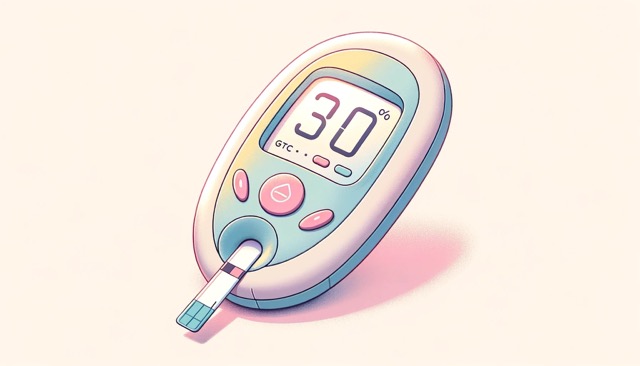
Should you detect a decline in weight or observe low blood glucose levels during the initial 48 hours, your first line of action should be to supplement the puppy with a canine milk replacer. Simultaneously, refine its environmental conditions, ensuring optimal temperature and humidity as detailed earlier in this blog.
However, if despite these adjustments, there’s no observable improvement within the subsequent 24 hours, it’s time to get your puppy to a veterinarian. Delay can exacerbate the situation.
Signs of Infection
If your puppy exhibits any signs of infection, such as red and warm skin, bulging eyes due to pus accumulation behind the eyelids, or neonatal diarrhea, do not hesitate – seek veterinary care immediately.
It’s vital to refrain from self-medicating in such situations. Given the underdeveloped nature of many organs in newborns, their medical treatment differs significantly from that of adults. A vet’s expertise ensures they get the right care.
Low APGAR Score
The APGAR score is a quick and effective tool in assessing a newborn’s immediate health post-birth. A score below 4 is a serious red flag, indicating that the puppy is in a critical state. In such circumstances, every minute counts. Get the puppy to a veterinarian at once. Regrettably, the prognosis in these situations is often unfavorable, but prompt action provides the best chance for survival.
While monitoring and prompt action can solve many newborn puppy concerns, there are clear scenarios where professional help is paramount. Recognize them, act swiftly, and always prioritize the well-being of your precious little ones. They depend on you for their best shot at a healthy life.
Preventive Measures for Your Newborn Puppy: Deworming and Vaccination
When raising newborn puppies, ensuring their health doesn’t merely mean responding to issues as they arise; proactivity is essential.
Two primary preventive measures stand out: deworming and vaccination.
Deworming

Interestingly, effective deworming begins even before your puppies enter the world. Mother dogs should be thoroughly dewormed to curtail the transmission of specific digestive parasites, which, unfortunately, are almost ubiquitous in canines.
The main culprits to watch for are roundworms, hookworms, and whipworms.
Once your puppies are born, initiate deworming at the 2-week mark, and then continue every two weeks up to 8 weeks. From there, shift to a monthly routine.
However, remember, this is a foundational guide. Given that each kennel has its unique environment, consulting your veterinarian is imperative. By doing so, you can tailor the best deworming protocol for your specific conditions.
Vaccination
Just as with deworming, there isn’t a one-size-fits-all approach to vaccination.
A frequent question dog breeders ask me is, “When and how should I vaccinate my puppies?” The answer is multifaceted, depending on your kennel’s specific environment and potential exposure to infectious diseases.
Generally, if your kennel hasn’t faced significant infectious disease challenges, you can safely follow widely accepted vaccination protocols.
These typically recommend starting vaccinations between 6-8 weeks of age, followed by boosters every 2-4 weeks until the puppy reaches 16 weeks. However, in more challenging environments, early vaccination, even as soon as 4 weeks, may be necessary.
Again, the emphasis here is collaboration—work closely with your veterinarian to devise the best strategy for your puppies’ health.
Both deworming and vaccination are integral components of a holistic preventive care routine for newborn puppies. Proactivity ensures that these little ones have a robust defense system as they grow and thrive in their new world.
How to Handle Special Circumstances in Puppy Care?
Caring for Orphaned Puppies
Raising orphaned puppies is a commendable yet challenging responsibility, requiring a diligent approach to create an optimal environment for their growth and development. While we have covered essential aspects of neonatal puppy care throughout this blog, special considerations must be made when caring for orphaned puppies.
Optimal Environment
First and foremost, set the right ambiance for these little ones. Temperature regulation is paramount, especially during the first three weeks post-birth.
As we’ve previously emphasized, it’s not just about warmth; maintaining appropriate humidity levels is equally vital.
Continually monitor these two parameters, ensuring they remain within optimal ranges.
Feeding Regimen

When mother’s milk isn’t an option, turning to a specialized canine milk replacer is imperative. Here, it’s essential to stress that alternatives like goat milk are not only inadequate but also pose health risks, such as inducing osmotic diarrhea in newborns.
The feeding frequency matters too: eight times daily in the first week, five times in the second, and four times in the third week.
For orphaned puppies, I generally suggest beginning nutritional weaning by the end of week three—a week ahead of my usual recommendation—to alleviate the caretaker’s burden.
Monitoring
As with all newborn puppies, consistent monitoring is essential. This includes checking their weight gain, blood glucose levels, and internal temperatures. The benchmarks remain the same as what we discussed earlier in this blog.
Behavioral Development
With orphaned puppies, fostering appropriate behavior is doubly crucial to stave off future behavioral issues. All the early life interventions and mild stress inductions we elaborated upon in the neonatal period are vital here.
Equally significant is the company of littermates. Keeping them together not only fosters social development but also counteracts behavioral issues. If you’re tending to multiple orphaned puppies, aim to keep them in groups of at least two or three.
However, a common challenge arises when puppies, driven by hunger, suckle on each other, potentially causing inflammations and abscesses. Combat this by adjusting their feeding frequency. For instance, increasing feeding sessions from eight to ten times daily can prevent such complications here.
Orphaned puppies demand special care, but with the right guidelines and unwavering dedication, you can foster their growth into healthy, well-adjusted adults. Your devotion and consistency will lay the foundation for their thriving futures.
Addressing Complications in Delivery
The birthing process, while wondrous, isn’t exempt from complications, and how a bitch delivers can significantly impact the neonate’s health. Recent studies have shed light on the relationship between delivery challenges and higher neonatal mortality rates. Consequently, it’s crucial to understand these dynamics and act preemptively to ensure the best outcomes.
Monitoring Parturition Duration

First, keep an eagle eye on the duration of the entire birthing process, and specifically, the interval between each puppy’s delivery. New research indicates that prolonged durations between pup deliveries can adversely affect the newborn’s weight gain.
If you find yourself in such a scenario, it’s imperative to implement the heightened care measures we’ve outlined earlier.
C-Section Births
Whether due to emergency circumstances or elective decisions, C-section births pose unique challenges. Data has recently highlighted two concerns: puppies born via C-section tend to have slower growth rates, and their gut microbiome composition might be different from those born through natural birth.
Such findings reinforce the need for specialized care for these puppies to address these potential discrepancies.
APGAR Scoring – A Vital Metric
While mentioned multiple times in this blog, the importance of APGAR scoring can’t be overstated. Administering this assessment right after birth is an invaluable tool in gauging a newborn puppy’s health and determining its risk level.
Based on the score, prompt action can be taken, especially if the numbers are troubling. The essence is in timeliness—the sooner the evaluation, the better the potential interventions.
While complications during delivery can be daunting, being equipped with knowledge and acting swiftly can drastically mitigate the associated risks. Remember, early detection and intervention can be the difference between a thriving pup and one that struggles. Your meticulous attention and proactive care can ensure a brighter start for these newborns.
Understanding and Preventing Common Problems
Newborn puppies, with their delicate constitutions, can sometimes face health challenges. Recognizing and addressing these challenges promptly can make a significant difference in their development. Let’s dive into some of the most common problems dog breeders might encounter:
Fading Puppy Syndrome

Despite its name, this isn’t a clear-cut condition. Instead, it’s a term breeders commonly use to describe situations where a newborn puppy deteriorates rapidly, and the cause remains unclear.
The essence of managing this syndrome lies in constant monitoring and addressing any concerns identified during growth, as we’ve emphasized throughout this blog.
Toxic Milk Syndrome
When puppies cry post-nursing, exhibit a distended and painful abdomen, or show signs of diarrhea or other infections, Toxic Milk Syndrome might be the culprit.
This condition can afflict a single puppy or the entire litter. An immediate check for maternal mastitis is essential, and switching the affected puppies to a milk replacer is recommended.
If suspected, it’s crucial to consult your veterinarian to determine the most effective response.
Neonatal Infection
As highlighted earlier, these infections can manifest as omphalophlebitis, eye infections, skin infections, or neonatal diarrhea.
Immediate veterinary consultation is essential to establish an effective treatment regimen.
Cleft Palates
The most frequently encountered congenital abnormality in puppies. For an in-depth understanding and possible interventions, refer to the following blogs I have written on this topic:
Cleft Palates in Dogs and Cats: 21 Facts Breeders Need to Know – Part I
Cleft Palates in Dogs and Cats: 21 Facts Breeders Need to Know – Part II
White Stools in Newborns
White or unusually pale stools often indicate malabsorption or malassimilation of milk nutrients. This can arise due to Toxic Milk Syndrome or improper feeding with a milk replacer.
To gain a more comprehensive perspective and solutions, see my blog on this topic:
White Stools in Newborn Puppies: What Does it Mean?
Swimming Puppy Syndrome
Also known as Flat Puppy Syndrome, Swimming Puppy Syndrome is distinguished by the affected puppy’s swimming-like movements due to the inability to adduct their limbs. Symptoms become apparent when puppies start walking between two to three weeks of age.
Swimming puppies lie in a sternal position with their limbs splayed out and exhibit a paddling motion when attempting to move.
Effective interventions include physical therapy, such as supported standing, passive movement, massages, and limb hobbling. External support to keep the legs from splaying out is also beneficial.
In all these scenarios, early detection, a proactive approach, and veterinary consultation remain the pillars of effective management. By being attentive and equipped with knowledge, breeders can navigate these challenges and ensure a healthier start for their puppies.
How to Find Additional Resources for Newborn Puppy Care?
Taking care of newborn puppies is a rewarding but challenging endeavor. The plethora of information available can sometimes be overwhelming, making it crucial to have reliable, expert-guided resources at your fingertips.
Here’s how you can ensure you’re always in the loop:
Dog Breeder Education and Courses

Continuous learning is the key. To dive deeper into the nuances of puppy care and understand the science behind various practices, consider enrolling in the online course I created on this topic.
And stay at the forefront of the latest developments by signing up for my weekly newsletter, ensuring you’re always informed on the newest insights in this field.
Further Reading and Expert Tips
My blog is a treasure trove of articles and insights on everything related to newborn puppies and dog breeding. Don’t hesitate to explore it further to find out more on this topic!
While the journey of puppy rearing can be demanding, it’s also immensely fulfilling. By equipping yourself with the right knowledge and resources, you can navigate any challenge that comes your way. And remember, every step you take towards informed care significantly impacts the health and well-being of your puppies.

 DR. EMMANUEL FONTAINE