“How often should a kitten poop?” is a question I’m frequently asked, and it’s one that I find… particularly intriguing. The answer unfolds into multiple dimensions, each offering a unique insight into your kitten’s health actually. And it turns out, tracking how often your kitten poops is a straightforward yet powerful tool for monitoring their wellbeing. So this blog compiles all my insights and experiences to provide you with comprehensive answers… and much more I think! Your journey to becoming a more informed and proactive pet owner starts here!
- Why Is Monitoring Kitten Pooping Habits Important?
- What Determines Normal and Abnormal Pooping Frequency in Kittens?
- How Can You Identify Healthy vs. Unhealthy Kitten Poop?
- What Causes Constipation in Kittens and How Is It Treated?
- What Should You Do When Facing Diarrhea in Kittens?
- How Does Inflammatory Bowel Disease Affect Cats and How Can It Be Managed?
- How Do Intestinal Parasites Impact a Kitten Bowel Movements?
- How Do Environmental and Behavioral Factors Influence Kitten Pooping Habits?
Why Is Monitoring Kitten Pooping Habits Important?
Agreed that this is probably not the first thing that comes to mind, yet monitoring the pooping habits of kittens is a crucial aspect of pet care and feline health. This is definitely something often overlooked, and as a kitten owner, I believe it’s vital to be familiar with your pet’s bathroom routines to ensure their wellbeing.
Normally, kittens poop once to 4-times daily, but this can vary A LOT based on factors like age, diet, activity level, and overall health actually.
And let’s focus on age for a bit, because there are is an important distinction to make it.

Indeed, we often use “kitten” as a generic term… yet there are really 3 very important periods to distinguish here:
- The neonatal period, which goes from birth until those kittens start eating solid food (aka “nutritional weaning);
- The nutritional weaning period: this typically goes from 4-8 weeks of age, and this is when kittens are transitioning from the milk of their mother to solid food. This is a very critical stage for kittens, because this nutritional transition takes place while their digestive AND immune systems are immature.
- The pediatric period, that goes from end of nutritional weaning until the kitten reaches its adult size, typically 12 months for most kittens (one exception: Maine Coon kittens typically reach their adult size around 15 months instead).
Throughout this blog, we’ll keep focusing on those 3 periods because you will see that between them, what you observe and consider normal and abnormal can vary A LOT!!!
A Marker for Digestive Health
Monitoring your kitten’s pooping frequency is vital for tracking their digestive health, as it helps us distinguish between three key conditions:
- normal kitten bowel movements, which lead to regular and well-formed stools;
- diarrhea, characterized by loose and watery stools, and an increase in pooping frequency;
- and constipation, where your kitten may struggle to pass hard, dry stools; this obviously leads to a decrease in pooping frequency here.
A Marker of Good Maternal Behaviour
Something important for you to bear in mind: newborn kittens are actually not able to defecate on their own. During the first 3 weeks after birth, it is still a reflex that is actually stimulated by the mother. By licking their perineum, the mother actually stimulates defecation (and she typically eats the newborn kitten’s poop at the same time… which might sound gross but recent studies have found that this could contribute to the maturation of the newborn kitten’s microbiome).
This means that during the neonatal period in kittens, you might not see any poop at all… if the mother is doing a good job (and obviously, if there are no underlying problems actually, more to come on this).
So if you are not seeing anything AND there is no constipation problems in kittens, it is the reflection of a good maternal behaviour. Definitely something to look for in my opinion, as it makes it way easier to raise kittens for sure!
Particularly for first-time mothers, known as primiparous queens, it’s important to be vigilant; their inexperience may require additional assistance.
A Marker for Nutritional Weaning Success
As mentioned earlier, nutritional weaning is a critical phase in a kitten’s development.
This period often sees an uptick in digestive issues, notably diarrhea, primarily due to the dual challenge faced by kittens: adapting to a new diet AND coping with an immature digestive and immune system.
Observing a normal pooping frequency during this transitional phase is a strong indicator of the effectiveness of your nutritional weaning protocol.
In instances where things don’t proceed as smoothly, I see it as a prompt to revisit and possibly adjust the nutritional strategy.
A Marker of Good Pet Husbandry
Pooping frequency serves as a crucial marker of good pet husbandry; it not only reflects litter box management, such as its proper placement and adequacy in multi-cat households, but also indicates the impact of stress on a kitten’s bowel movements.
Additionally, it highlights the importance of hygiene practices, where a change in frequency can signal inadequate cleaning and disinfecting protocols, particularly vital in catteries.
Therefore, it’s an essential marker to monitor closely.
What Determines Normal and Abnormal Pooping Frequency in Kittens?
Age
Newborn kittens defecate almost after each meal. And when they nurse from their mothers, they receive 12 to 20 meals a day actually! So that might be a lot of pooping! Remember though, if the mother is around and doing a good job, you might not see anything at all because she eats their feces.
On the other end, kittens undergoing nutritional weaning and those in the pediatric phase (those that are 2 months and older) will typically poop 1-4 times a day.
Number of meals per day

If you were to care for an orphaned newborn kitten for instance, the stimulation of the perineal area is something that needs to be done after each meal. I typically recommend using gauze moistened with lukewarm water; that will do the trick for sure!
In newborn kittens then, the feeding frequency will influence the pooping frequency… and this is what I recommend here:
- 1st week after birth: 8 meals a day (1 meal every 3 hour basically)
- 2nd week after birth: 5 meals a day
- 3rd week after birth: 4 meals a day
Around 3 weeks of age, kittens become able to defecate by themselves.
During the weaning and pediatric period, it’s also normal for kittens to poop more frequently than adult cats, with varying frequencies ranging from once to several times a day. Defecation occurs in the 2 hours following a meal, so this is when you should take a look at the litter box to ensure everything looks good there.
Kittens and cats differ from dogs in their feeding behavior, typically consuming several small meals daily rather than the 2-3 larger meals common in canines. This feeding pattern can influence their pooping frequency, which is often correlated with the number and size of their meals.
However, during the crucial period of nutritional weaning, I advocate for a structured meal-feeding approach, even for kittens.
Implementing 4 meals per day during weaning has proven beneficial.
This strategy, evidenced by studies in dogs, is something I have successfully used in kittens as well. In my experience it also showed the same improved poop consistency and quality that were observed in the canine studies; and I find it does enhance the effectiveness of the nutritional weaning process.
Medical Condition

It’s important to remember that during the three key stages of a kitten’s development, two primary medical conditions can significantly affect their pooping frequency: diarrhea and constipation.
Diarrhea is characterized by frequent, loose, or watery stools, and indicates an overly rapid transit of food through the digestive system. This condition can be especially common during dietary transitions, such as during nutritional weaning, when kittens’ digestive systems are adapting to new foods… but neonatal diarrhea is something we see in newborn kittens as well!
On the other hand, constipation, marked by infrequent or difficult bowel movements, occurs when stools become hard and dry, making them challenging to pass. This is something we typically observed during the pediatric phase; it can result from insufficient dietary fiber, inadequate hydration, or a lack of physical activity. But it can also be observed in bottle fed newborn kittens; in this case it is often caused by improper preparation of the milk replacer solution.
Both conditions disrupt the normal pooping frequency of kittens and are crucial to monitor for, as they offer insights into the overall health and well-being of the developing kitten.
How Can You Identify Healthy vs. Unhealthy Kitten Poop?
Identifying the difference between normal and abnormal kitten poop is essential for monitoring their well-being. Once again, be mindful of various contributing factors that come into play in this scenario!
Healthy Poop Appearance
Healthy kitten poop typically has certain characteristics. However, it’s crucial once more to consider the kitten’s age in this context! Because newborn kitten poop is definitely different than what you see during weaning and the pediatric phase of their development.
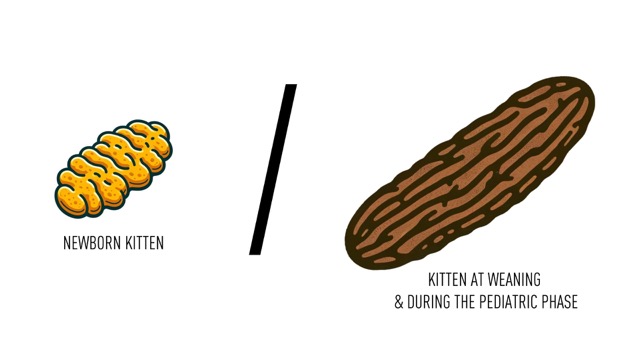
In a healthy newborn kitten, you should expect to see stools that are properly formed, resembling small, molded segments with a distinct shape. While these stools should be well-formed, they will naturally be softer than those of a healthy adult cat. As for the color, it’s usually orange, quite a contrast to the chocolate brown hue typically seen in older kittens and cats. This color difference is a normal part of the developmental process in kittens.
In kittens at weaning and during the pediatric phase, poop should be deep brown in color and have a consistency similar to modeling clay – neither too hard nor too soft. This indicates a well-functioning digestive system and proper hydration. The poop should be formed, moist, and hold its shape.
Signs of Unhealthy Poop
Abnormal and potentially unhealthy kitten poop can present itself in various ways, and recognizing these signs is crucial for early detection of potential health issues.
- Color Variations:
In newborn kittens, poop can turn white when they experience maldigestion and malabsorption. This means they are no longer able to properly digest their mother’s milk or the milk replacer with which they are being bottle-fed.
In older kittens, any significant deviation from the normal deep brown color can be a sign of concern. Black or tarry stools may indicate internal bleeding, while red or bloody stools could suggest injuries in the lower digestive tract. Green, yellow, or gray stools might indicate infections or dietary imbalances.
2. Consistency Changes:
At any age, diarrhea (watery or very soft stools) or constipation (small, hard, and dry stools) can indicate dietary issues, dehydration, or health problems. Consistency changes can also be caused by stress, dietary changes, or illness.
3. Additional Indicators:
The presence of mucus, excess hair, or a foul smell can also be indicators of health issues. Mucus or blood in the stool can suggest gastrointestinal infections or parasites, while a particularly foul odor might indicate digestive issues.
When foul-smelling stools or the presence of blood are observed in kittens, these are serious warning signs. In such cases, it is imperative to consult with your veterinarian immediately, as conditions in these animals can deteriorate rapidly.
What Causes Constipation in Kittens and How Is It Treated?
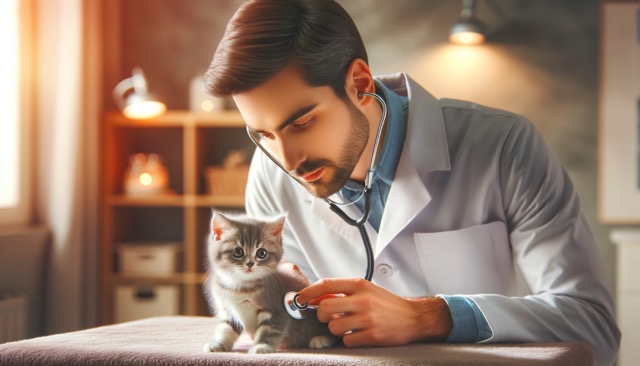
Constipation in kittens is a common health issue that can affect their digestive health and overall wellbeing. Understanding the causes and effective treatments is crucial for pet owners to ensure the health of their constipated kitten.
I seldom encounter constipated kittens during the weaning period, as the transition to solid food more commonly results in diarrhea at this stage. However, constipation is a frequent issue in newborn and pediatric kittens. The causes in these younger stages are, once again, quite different!
Causes of Constipation in Newborn Kittens
Constipation in newborn kittens is often seen when they are fed a milk replacer… yet the blame frequently placed on the replacer itself may be misplaced.
It’s crucial to use a dedicated feline milk replacer, as other types of milk, such as goat or cow milk, are not suitable for kittens.
However, the issue often lies not just in the type of milk replacer used, but in how it is prepared.
The most common error I observe is with powder-based milk replacers that are not mixed properly. Failing to adhere to the recommended powder-to-water ratio alters a key factor known as osmolality. This change can significantly impact the absorption of nutrients in the milk, potentially leading to constipation or even diarrhea in newborn kittens.
Therefore, when bottle-feeding newborn kittens, it’s imperative to meticulously follow the preparation guidelines for the milk replacer. This attention to detail is vital in preventing digestive issues and ensuring the health and well-being of the kittens.
Causes of Constipation in Kittens during the Pediatric Phase
- Dietary Factors: An improper diet can lead to constipation. Kittens may experience constipation if their diet lacks sufficient fiber or hydration.
The solution here: ensure the kitten’s diet includes adequate fiber and hydration.
Commercial kitten diets are specifically formulated to take these nutritional nuances into account. And this underscores a basic yet very important aspect: it’s always preferable to feed a diet tailored for kittens. This might sound trivial, but feeding an adult cat diet to a kitten during its growth phase can contribute to various observed problems.
Remember, kittens have different nutrient needs as they are in a crucial stage of growth and their organs are still maturing. Feeding them with a diet designed for their specific developmental phase is essential to avoid complications and ensure healthy growth.
Re: hydration, remember that cats originate from desert environments; therefore, they often display a tendency to drink less water than needed. To address this, several strategies can be employed. Feeding enrichment techniques and the use of water fountains, which some kittens prefer, are effective methods. Another practical approach is incorporating wet food into their diet. I strongly advocate for mixed feeding (combining wet and dry food) in kittens, as this is a simple yet efficient way to counteract their poor drinking instincts.
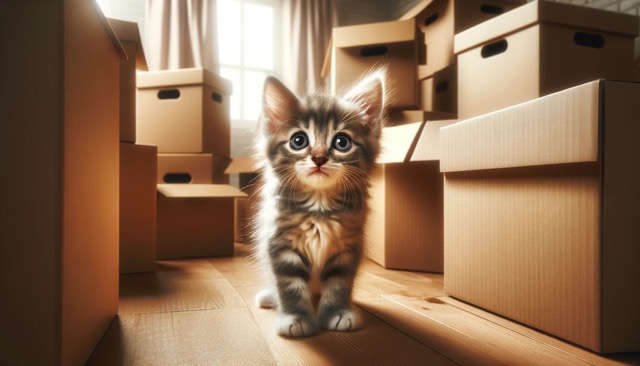
2. Environmental Stress: Changes in the environment or routine can cause stress in kittens, which may lead to digestive issues like constipation.
Remember, cats and kittens thrive on familiarity and routine! So reducing their stress is crucial. This begins with how you introduce them to their new environment.
When a kitten arrives at their new home, the manner in which they are introduced and transported plays a significant role in their comfort and adjustment.
Keeping their surroundings calm, maintaining a consistent routine, and ensuring gentle, stress-free transportation are essential steps.
The overarching goal is to minimize stress as much as possible. This approach is not just about comfort; it’s a fundamental component of nurturing a healthy kitten.
4. Health Conditions: Underlying health problems such as congenital defects, or megacolon can contribute to constipation. Additionally, ingestion of foreign objects can cause blockages in the digestive tract.
In cases of persistent constipation, or if there are concerns about underlying health conditions, seek veterinary attention. A vet may prescribe medication, recommend dietary changes, or provide other treatments like subcutaneous fluids or enemas if needed.
5. Lack of Physical Activity: Physical activity helps stimulate bowel movements. A lack of exercise can contribute to slower bowel movements and constipation.
For kittens, it’s generally recommended to allocate around 20 to 30 minutes of playtime each day, divided into multiple short sessions.
Engaging in interactive play helps stimulate their minds, satisfies their instinctual hunting behavior, and provides essential exercise.
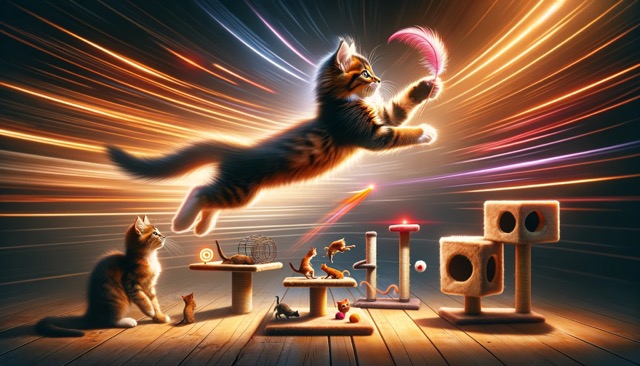
Here are some examples of play activities:
1. Feather Wands: These simulate the movement of prey and encourage jumping and pouncing.
2. Laser Pointers: Directing a laser light on the floor or walls can engage your kitten in a fun chase, but always finish with a tangible toy to prevent frustration.
3. Puzzle Toys: These can be filled with treats and help stimulate your kitten’s problem-solving skills.
4. Balls and Mice Toys: Small toys that can be batted around help develop coordination and satisfy predatory instincts.
5. Climbing Structures: Cat trees or climbing shelves encourage climbing and exploration, offering both physical and mental stimulation.
Remember, while play is essential, it’s also important to supervise playtime to ensure your kitten’s safety, especially with toys that might pose a choking hazard. Regular play sessions not only keep your kitten physically active but also strengthen the bond between you and your pet.
What Should You Do When Facing Diarrhea in Kittens?
Diarrhea in kittens is a common concern that can be indicative of gastrointestinal issues. Addressing this condition promptly and effectively is crucial for the health and comfort of your kitten.
Neonatal Diarrhea in Newborn Kittens
I have covered this topic in great detail in another blog post. For more information, I encourage you to read it by clicking here:
White Stools in Newborn Puppies and Kittens: What Does It Mean?
Weaning Diarrhea in Kittens
I’ve also explored this topic in depth in previous blog posts. You can check them out here:
Weaning Diarrhea in Kittens: What You Should Know, What You Can Do
Weaning Diarrhea in Kittens: What I learnt this year at the NAVC
Diarrhea in Kittens in the Pediatric Phase
Diarrhea in kittens can range from mild to severe and can be caused by a variety of factors, including dietary changes, infections like feline panleukopenia, parasites, or more serious health conditions.
It’s characterized by loose, watery stools and may be accompanied by an increased frequency of bowel movements.
Initial Steps for Handling Kitten Diarrhea
- Dietary Assessment: Review the kitten’s diet for any recent changes. Sometimes, simple dietary indiscretions, like eating something they shouldn’t have, can cause diarrhea.
Also if an animal is abruptly switched to a new diet without a gradual 7-day transition, it can lead to diarrhea. Studies have shown that such sudden changes disrupt their microbiome, a key player in their digestive process.
To avoid this, always implement a 7-day transition plan between two diets.
This involves progressively incorporating the new diet into the old one, starting with a small percentage and gradually increasing it each day. For example, begin with 25% of the new diet and 75% of the old diet, then adjust the proportions daily. By day 7, the animal should be eating 100% of the new diet, allowing their system to adapt smoothly and maintain digestive health.

2. Hydration Monitoring: Diarrhea can lead to dehydration, especially in young kittens. Ensure your kitten has constant access to clean water and monitor their intake.
3. Environmental Stressors: Consider if any recent changes in the kitten’s environment could be causing stress, which can lead to gastrointestinal issues.
4. Stool Observation: Keep a close eye on the kitten’s stool. Note the frequency, consistency, color, and any presence of blood or mucus. As veterinarians, I can tell you we value these details, they are important to help us reach a clinical diagnosis there.
When to Seek Veterinary Care
1. Persistent Diarrhea: If diarrhea persists for more than 48 hours, it’s crucial to seek veterinary care. Persistent diarrhea can be a symptom of more serious issues and can quickly lead to dehydration in kittens.
2. Additional Symptoms: Be alert for other signs of illness such as vomiting, lethargy, loss of appetite, blood in the stool, this “foul smell” we talked about earlier. These symptoms, combined with diarrhea, warrant immediate veterinary attention.
3. Veterinary Diagnosis and Treatment: A veterinarian will conduct a thorough examination and may perform diagnostic tests (fecal tests, SNAP tests to check for viral infection) to identify the cause of the diarrhea. Treatment may include medications, dietary adjustments, or hydration therapy depending on the underlying cause.
How Does Inflammatory Bowel Disease Affect Cats and How Can It Be Managed?
Inflammatory Bowel Disease (IBD) is a significant concern in feline health, affecting the digestive health of cats. Understanding how it impacts cats and the ways it can be managed is crucial for pet owners.
Understanding Inflammatory Bowel Disease
Inflammatory Bowel Disease in cats is a group of gastrointestinal disorders characterized by chronic inflammation of the intestines. It can lead to a variety of symptoms, including persistent diarrhea, vomiting, weight loss, and changes in appetite. The exact cause of IBD in cats is not always clear, but it is thought to be related to an abnormal immune response to intestinal contents.
The role of Kitten Development

You might wonder why we’re discussing Inflammatory Bowel Disease (IBD) on a blog about kittens… especially since it’s typically diagnosed in middle-aged cats.
Here is the reason: recent evidence suggests that factors during a kitten’s growth can influence the development of IBD later in their life.
Genetics certainly plays a role, but there’s also a growing focus in veterinary medicine on the maturation of the digestive microbiome. The microbiome, which is the community of microorganisms living in the digestive system, is crucial for overall health. Its development during the early stages of a kitten’s life could predispose them to conditions like IBD.
If kittens experience gastrointestinal disorders like those previously described, it could potentially increase their susceptibility to developing IBD later on. This underscores the importance of focusing on preventative measures during their growth phase.
By implementing the tips and advice shared in the sections above, you can actively contribute to preventing these issues. While it’s impossible to avoid every health problem, these strategies put you in a much stronger position to maintain your kitten’s health.
There’s no doubt that these proactive steps can make a significant difference in their long-term wellbeing.
How Do Intestinal Parasites Impact a Kitten Bowel Movements?
Intestinal parasites are a common concern in cat health, particularly affecting kittens. These parasites can significantly impact digestive and gastrointestinal health, leading to various issues, including altered bowel movements.
Understanding Intestinal Parasites in Kittens
Intestinal parasites, such as roundworms, tapeworms, and hookworms, are commonly seen in kittens.
They can be contracted from the environment, from other infected animals, or sometimes even passed from the mother to the kitten.
These parasites reside in the kitten’s digestive system, often leading to a range of digestive issues.
Impact on Bowel Movements
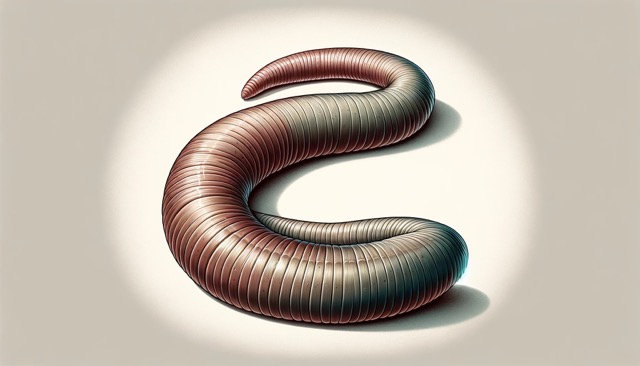
1. Diarrhea: One of the most common symptoms of intestinal parasites in kittens is diarrhea. The presence of parasites can irritate the gastrointestinal tract, leading to loose, watery stools.
2. Constipation: In some cases, a heavy infestation of parasites can lead to blockages, causing constipation. This is fortunately way less common but can be a serious issue as you can imagine.
3. Changes in Stool Appearance: The presence of worms or eggs in the stool is a clear sign of an intestinal parasite infection. Additionally, mucus or blood in the stool can also indicate parasitic infections.
4. Vomiting: Some types of parasites can cause vomiting in kittens, which may also affect their overall bowel movement patterns.
Additional Health Impacts
– Weight Loss and Poor Growth: Parasites can interfere with nutrient absorption, leading to weight loss or poor growth in kittens.
– Anemia: Certain parasites, like hookworms, feed on the kitten’s blood, potentially leading to anemia.
– General Lethargy and Poor Coat Quality: Overall health decline, including lethargy and a dull coat, can also be a symptom of parasitic infection.
Diagnosis and Treatment
Diagnosing intestinal parasites typically involves a fecal examination by a veterinarian. Treatment usually includes deworming medications, which are effective at eliminating the parasites.
It’s important to follow the veterinarian’s instructions carefully and complete the full course of treatment to ensure its success.
How Do Environmental and Behavioral Factors Influence Kitten Pooping Habits?
Environmental and behavioral factors can significantly influence kitten pooping habits. Understanding how these elements affect a kitten’s bowel movements is essential for effective pet care and can provide insights into a cat’s overall health and behavior.
Environmental Factors and Their Impact

1. Litter Box Environment: The location, cleanliness, and type of litter box can greatly influence a kitten’s willingness to use it. A litter box that is not cleaned regularly, is in a noisy or high-traffic area, or contains litter that is uncomfortable for the kitten may lead to avoidance and changes in pooping habits.
2. Changes in the Home: Moving to a new home, rearranging furniture, or introducing new pets or family members can stress kittens, leading to changes in bowel movements. Stress can cause both constipation and diarrhea.
3. Routine Stability: Kittens thrive on routine. Disruptions to their daily schedule, such as changes in feeding times or caregiver absences, can lead to stress and affect their bowel movements.
Behavioral Indicators Related to Pooping Habits
1. Litter Box Avoidance: Behavioral issues such as avoiding the litter box might indicate discomfort or stress related to the litter box environment. It may also be a sign of a medical issue that requires veterinary attention.
2. Increased Frequency of Pooping or Attempts to Poop: This can indicate stress, dietary issues, or health problems. Frequent trips to the litter box without pooping might signal constipation or urinary issues.
3. Hiding or Behavioral Changes: Changes in overall behavior, such as increased hiding or decreased activity, can be linked to discomfort or stress affecting bowel movements.

Pet Care Tips for Managing Environmental and Behavioral Factors
1. Create a Comfortable Litter Box Setup: Ensure the litter box is in a quiet, private area and is cleaned regularly. Providing multiple litter boxes in different locations can also be helpful.
2. Maintain a Consistent Routine: Keep feeding, play, and cuddle times consistent to minimize stress and promote regular bowel movements.
3. Monitor for Stress Indicators: Be observant of changes in behavior that may fofindicate stress or discomfort and address them promptly.
4. Gradual Introduction to Changes: Any changes in the kitten’s environment or routine should be introduced gradually to minimize stress.
As we reach the end of our journey through this quite intricate world of “kitten pooping habits”, it’s clear that this seemingly mundane topic is a window into the vast and complex realm of feline health actually. From the neonatal stages to the crucial periods of nutritional weaning and beyond, understanding your kitten’s pooping frequency is more than just a routine check—it’s a proactive step towards ensuring their long-term health and happiness.
Remember, each kitten is unique, and their individual needs can vary. But armed with the knowledge from this blog, you’re now better equipped to interpret these vital signs and respond effectively. Your journey as a mindful and informed pet owner is just beginning, and the rewards, as you’ll find, are immeasurably fulfilling.

 DR. EMMANUEL FONTAINE