
🇫🇷 Lire en Français | 🇪🇸Leer en Español | 🇧🇷Leia em português
I grew up on Reunion Island, a charming little island in the Indian Ocean. And during my childhood, must admit that seeing abandoned and orphaned kittens was definitely… not uncommon. It is probably the reason why I turned out to become a veterinarian. 🙂 At that time, I now realize that I was totally at a loss about how to approach these vulnerable creatures. The sight of these tiny beings, left to fend for themselves, often left me wondering about the right course of action. And I am sure there are many today who face similar situations. So in this blog, I’m going to share with you some key elements to effectively care for abandoned and orphaned kittens. We’ll focus here on newborn kittens, from the moment they are born until 3 weeks of life. So whether you find yourself unexpectedly taking in a furry little soul or you’re preparing to offer support in your community, this guide will help you navigate this delicate process.
- Determining If a Kitten Is Truly Abandoned
- Creating a Safe and Warm Environment for Abandoned Kittens
- Feeding Abandoned Kittens: Best Practices
- Hygiene for Abandoned Kittens
- Identifying and Addressing Health Issues in Abandoned Kittens
- Socialization and Behavioral Development in Abandoned Kittens
Determining If a Kitten Is Truly Abandoned

One of the first and most crucial steps in the rescue of an abandoned kitten… is to actually ascertain whether the kitten is genuinely orphaned! It’s indeed a common misconception that kittens found alone are abandoned. In truth, mother cats often leave their kittens hidden while they search for food… and they might be gone for several hours. This behaviour sometimes leads well-meaning individuals to mistakenly “rescue” kittens that are, in fact, not orphaned.
Observing from a Distance
Before taking any action, observe the kittens from a safe distance. This is vital because a mother cat may not return to her kittens if she senses the presence of humans nearby. Remember, cats thrive on familiarity and routine… and the mother might be stressed if she smells something “different” (you for the occasion!).
If the kittens are sleeping peacefully, it’s likely that the mother will return… and you might want to confirm her presence to determine your course of action. Indeed, if the situation calls for it, maybe it will be better to “rescue” both the mother and the kittens. And now better time to decide your future course of action during this observation round!
Monitoring Period
Monitoring the kittens for an extended period can provide clarity for sure. Some recommend to do so for 12-18h before reaching any conclusion. That being said, it does not mean that you should do nothing meanwhile… and that would depend, I’d say, on the kittens’ situation.
If they sleep peacefully as we mentioned before, I’d wait 3-4h before checking on them. The reason? Newborn kittens are highly prone to hypoglycemia (more on this later in this blog), so the longer the mother do not return, the more likely they are to develop this condition… So if after 3-4h, the mother has not returned, you might consider taking action.

If however, they are meowing loudly – which means they are probably hungry or uncomfortable – give it max 30min to an hour. Because of the risk of hypoglycemia I just mentioned, I would not wait longer in this situation.
Obviously, if you notice something is terribly wrong (they are in a very cold environment, they are dirty and wet, etc.) do not wait and take immediate action.
During this monitoring period, look for signs of the mother’s return, such as the presence or absence of paw prints around the kittens’ area (a trick involving sprinkling a bit of flour can help with this). Additionally, keep an eye out for any signs that the mother is moving the kittens to a new location.
Assessing the Kittens’ Condition
In an ideal scenario, you could check the kittens every 2 to 3 hours. If you find they appear “content”, not fussing, not crying and in good condition, they are most likely not abandoned. In such cases, it’s often best to leave the kittens with their mother, who can provide the best care for them. As I said, during your monitoring period you can then decide if it makes sense to take in the mother and the kittens, but remember, if you can do so, it will always make it easier on your end.
However, if the kittens are dirty, wet, continuously meowing, appear underweight, dehydrated, or in any imminent danger, then it is definitely time to intervene.
Creating a Safe and Warm Environment for Abandoned Kittens
When it comes to nurturing an abandoned kitten, creating the right environment is crucial. And this is where you MUST know about what I call the ‘3-H Syndrome’. 3H stands for Hypothermia, Hypoglycemia, and Dehydration. These are conditions to which newborn kittens are highly susceptible. And when it comes to your care strategy, those should always be at the forefront.
Combatting the 3-H Syndrome
Hypothermia Prevention
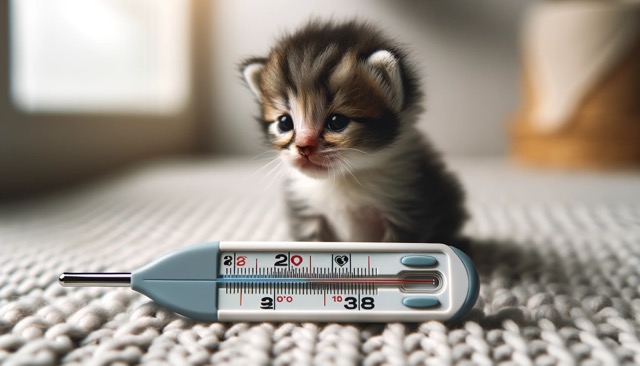
Newborn kittens cannot regulate their own body temperature until they reach 3 weeks of age; and this makes them extremely vulnerable to hypothermia.
And what you MUST remember: a kitten suffering from hypothermia cannot digest.
This is a very important fact, and it implies that:
- you must know how to determine if a kitten is hypothermic or not;
- Before bottle feeding a kitten, you should always take first its temperature!
The temperature of a newborn kitten is different from an adult cat. So during the first 3 weeks of life, this is what you should expect:
– 1st week after birth: 35-36.5°C (95-97.7°F).
– 2nd week after birth: 36.5-37°C (97.7-98.6°F).
– 3rd week after birth: 37-38°C (98.6-100°F).
Maintaining a constant, warm temperature is therefore vital for the orphaned newborn kittens. In this regard, this is typically what I recommend:
- 1st week after birth: 30°C (86°F)
- 2nd week after birth: 28°C (82°F)
- 3rd week after birth: 25°C (77°F)
A heat source like a covered hot water bottle, heat pad, or heat lamp can be used, ensuring there’s also a cooler area in the nest for the kittens to move away if they get too warm.
Check this blog for more info on my recommendations on the best heat source to select (it’s on newborn puppies but the same can apply to kittens):
Newborn Puppies Temperature: The Critical Factor You Can’t Ignore
| 👉🏽 To ensure accurate temperature monitoring, I recommend using a pediatric digital thermometer like this one or an infrared thermometer like this one for a non-invasive option. Both are fast, reliable, and essential for tracking a newborn kitten’s health. |
| 👉🏽Maintaining the ideal temperature for newborn kittens is crucial for their survival and well-being. There are different options available, including a heating lamp for evenly distributed warmth (like this one), a heating pad with adjustable settings for targeted heat (like this one), or a pediatric incubator, which offers precise temperature and humidity control (like this one). Choosing the right option depends on your needs, but each plays a vital role in keeping your kittens warm and healthy. |
Hypoglycemia Prevention

Kittens nurse on their mother approximately 12-20 times in each 24-hour period. And obviously if they have been abandoned, you have no idea when is the last time they nursed on their mother…so hypoglycemia is definitely something you want to prevent.
As mentioned in the paragraph on hypothermia, remember however than before trying to bottle feed them, you MUST take their temperature. And if you find them hypothermic, before attempting anything, you should warm them up.
However, it’s important to be patient: you do not want to rush this process. Sometimes, there’s a tendency to quickly warm the puppy for just 10 minutes and then start bottle feeding, but this is not effective. The digestive system needs time to recover and function properly after hypothermia, so allow at least an hour to an hour and a half of gradual warming before trying to bottle feed. This patience is essential!
It’s important to use a dedicated feline milk replacer– not goat milk, cow’s milk, or human milk. These indeed do not meet the unique dietary needs of kittens and can lead to neonatal diarrhea, which is never a good thing in individuals made of 82% of water.
Very important: always follow the instructions carefully when preparing the milk replacer to avoid digestive issues.]
Read this blog to find out more on bottle feeding newborn kittens:
Puppy & Kitten Bottle Feeding: The Essentials
| 👉🏽One essential tool to have on hand to prevent the 3H syndrome (hypoxia, hypothermia, hypoglycemia) in kittens is a high-quality milk replacer, ensuring they receive proper nutrition and energy support. Here is the milk replacer I recommend. It is also available through a professional program. Learn more about options in the USA and Canada. |
Preventing Dehydration
Dehydration can quickly become a serious issue for young kittens(again, they are made of 82% of water so this makes sense). Obviously bottle feeding them will be key in this regard, so all the recommendations I wrote on the paragraphs above are essential.
One note of caution: do not try to assess the duration status of a newborn kitten by “pinching its skin.”
Yes, we do that in adult cats. When you gently pinch and lift the skin at the back of the cat’s neck or between the shoulder blades, it normally springs back into place quickly. And this elasticity is a sign of good hydration. If the cat is dehydrated, the skin stays “tented” and returns slowly to its normal position. This happens because dehydration reduces the amount of fluid in the body, affecting the skin’s elasticity.
However, this does NOT work in newborn kittens, because they have very elastic and loose skin. This high elasticity means that their skin will tent easily, even if they are well-hydrated. Therefore, using the skin tent test on newborn kittens can give misleading results. It’s not a reliable indicator of their hydration status due to their developmental stage.
To evaluate the hydration status of newborn kittens, a simple method involves checking the moisture level of their mucous membranes. Gently press a finger against the kitten’s gums; normally, they should feel moist. Dry gums can indicate dehydration. However, this is a subjective indicator and can be challenging to interpret accurately.
In veterinary clinics, a more precise assessment is possible through a blood test known as a hematocrit, which measures the concentration of red blood cells. This test provides a clearer picture of a kitten’s hydration status, but it requires specific equipment and expertise, making it impractical for non-professionals to perform.
| 👉🏽One essential tool to have on hand to prevent the 3H syndrome (hypoxia, hypothermia, hypoglycemia) in kittens is a high-quality milk replacer, ensuring they receive proper nutrition and energy support. Here is the milk replacer I recommend. It is also available through a professional program. Learn more about options in the USA and Canada. |
Creating the Right Space

Your choice of bedding and the layout of the kitten’s environment also play a significant role.
An enclosed bedding area, like a queening box or a large cat carrier, can keep the kittens safe and contained. Soft pet beds are preferable to excessive blankets, which can pose a tangling hazard. Whatever you choose, remember that your top priority is to ensure that the environment is warm enough – and for that you can use the following options:
- Heat Lamps
- Heat Radiants
- Heating Pads
It’s also essential to maintain good hygiene in the environment (more on this below).
Preventing infections is paramount in newborns. So always keep the bedding and surrounding area as clean as possible
Feeding Abandoned Kittens: Best Practices
Feeding abandoned kittens appropriately is a delicate yet crucial aspect of their care. As highlighted in my dedicated blog on bottle-feeding, understanding the basics of this practice is key to ensuring the kittens’ health and survival.
The Right Feline Milk Replacer
Using the correct milk replacer is paramount. Cat’s milk has a very specific composition, and using an inappropriate substitute like goat milk, cow’s milk, or human formula can lead to issues like diarrhea. A high-quality feline milk replacer is formulated to meet the unique dietary needs of kittens, providing them with the right balance of nutrients.
A dedicated feline milk replacer is a must-have if you take care of abandoned newborn kittens.
| 👉🏽One essential tool to have on hand to prevent the 3H syndrome (hypoxia, hypothermia, hypoglycemia) in kittens is a high-quality milk replacer, ensuring they receive proper nutrition and energy support. Here is the milk replacer I recommend. It is also available through a professional program. Learn more about options in the USA and Canada. |
Bottle-Feeding Basics
- Frequency and Quantity: Young kittens require frequent feeding. The quantity of milk to be given at each feed will depend on the age and size of the kitten, and it’s crucial to follow the guidelines provided with the milk replacer.
This is typically what I recommend:
- 1st & 2nd weeks after birth: 7 meals per day (so one meal every 3 hours)
- 3rd week after birth: 5 meals per day
In abandoned and orphaned kittens, I’d usually recommend to start the nutritional weaning at the end of the 3rd week.
It’s important to be aware that when caring for multiple newborn kittens, they might engage in a behavior where they attempt to nurse on each other if they’re still hungry. This behavior can lead to inflammation or even severe abscesses.

If you observe this, it’s a clear sign that the kittens need more… However, if they’re gaining weight adequately, rather than increasing the quantity of each feeding, it’s better to increase the frequency of feedings. For example, if you were feeding them seven times a day, consider increasing to eight, nine, or even ten times. While this certainly requires more effort (hence the advantage of having their mother around, as mentioned earlier), it’s an effective way to prevent such complications.
If you feed too much, it might overload the kitten’s digestive capacities and cause neonatal diarrhea. If you do not feed enough, they will not gain proper weight.
So it is important to always monitor the kittens during this period, and especially track their weight gain.
| 👉🏽Neonatal growth charts are an excellent tool to quickly identify kittens with low birth weight or failing to thrive, helping take early action. Neonatal growth charts include data from over 30 different kitten breeds. Download them here! |
- Correct Technique: When bottle-feeding, it’s essential to do it gently and in the correct position. Kittens should be fed on their stomachs, not on their backs (like human babies) to prevent the risk of aspiration, which can lead to pneumonia or even death.
After bottle feeding a kitten, an important step is to help them with their bathroom needs. Kittens under three weeks old cannot urinate or defecate on their own; they require stimulation to do so, a task normally performed by their mother. To assist in this, use a warm, damp cloth or cotton ball to gently rub the kitten’s genital and anal areas. This action mimics the mother’s licking and stimulates the necessary reflexes for urination and defecation. It’s essential to do this after every feeding to ensure the kitten’s health and comfort. This practice should continue until the kittens are about three weeks old, at which point they’ll start developing the ability to go to the bathroom on their own.
- Hygiene: Keep all feeding equipment clean and sterilized. This includes bottles, nipples, and syringes. Good hygiene practices are vital in preventing infections that can be detrimental to the kittens’ health.
Nutritional Weaning of Abandoned Kittens

Nutritional weaning in kittens refers to the gradual transition from mother’s milk or bottle feeding to solid food. This process is crucial for their development and should be approached carefully to avoid health issues like weaning diarrhea, a common problem that arises when the transition is done too hastily or abruptly, especially if kittens are switched directly to dry food.
I typically recommend starting nutritional weaning around 4 to 4.5 weeks of age. This timeline allows the kittens’ digestive systems to mature enough to better handle the transition. The weaning process should be smooth and progressive, introducing solid foods gradually while reducing the reliance on milk.
In some cases, such as when managing multiple kittens and facing time constraints for bottle feeding, the weaning process might begin as early as 3 weeks. However, this should be considered an exception. In my experience, starting weaning at 4 weeks typically yields better results, balancing the kittens’ nutritional needs with their digestive development.
For a more comprehensive guide on how to approach nutritional weaning: you can check out my blog on this topic:
Weaning Diarrhea in Kittens: What You Should Know, What You Can Do
| 👉🏽I always recommend mixed feeding for kittens. Here is the dry diet I recommend for weaning kittens and here is the wet diet I recommend for weaning kittens These are also available through a professional program. Learn more about options in the USA and Canada. |
Hygiene for Abandoned Kittens
Maintaining proper hygiene in the environment where abandoned kittens are being cared for is crucial for their health and wellbeing. Understanding the concepts of cleaning and disinfecting is essential in this process, especially considering the unique needs and vulnerabilities of kittens.
Cleaning vs. Disinfecting: A Two-Step Process
- Cleaning: This is the first step in the hygiene process and involves removing organic material like dirt, feces, and food residues from surfaces. Cleaning doesn’t kill bacteria or viruses but is essential for removing the substances that they thrive on.
- Disinfecting: After cleaning, disinfecting is the next critical step. It involves using chemical solutions to kill pathogens on surfaces. However, disinfectants can only be effective on surfaces that are already clean.
I often say that “any good soap” could do the trick when it comes to cleaning. You indeed want something that efficiently removes the organic matter. The quote some textbooks here, “elbow grease” is always the best cleaner.
In terms of disinfection, it’s crucial to choose a disinfectant that effectively combats the primary pathogens threatening kittens. I prioritize a disinfectant that specifically targets three key pathogens: feline panleukopenia, feline calicivirus, and ringworm. These are known for their resistance in various environments.
For guidance on selecting an appropriate disinfectant that addresses these concerns, refer to the table below, which outlines suitable options.

| 👉🏽Choosing the right disinfectant is paramount for newborn kitten care, and today I recommend using Accelerated Hydrogen Peroxides (AHPs). They have become the standard in both human and veterinary medicine and are always my first choice for effective and safe disinfection. This is the product I recommend. |
The Importance of Spot-Cleaning in Kitten Care
Kittens are highly sensitive to stress, and their sense of smell plays a significant role in their comfort and perception of the environment.
Shelter environments have adopted a method known as spot-cleaning, which balances effective sanitation while maintaining familiar scents to reduce stress. This approach is particularly crucial as a kitten’s sense of smell is fully developed, making them sensitive to changes in their environment.
In orphaned kittens, this is definitely what I’d encourage instead of a full cleaning-disinfecting protocol. It will definitely a more positive impact of their overall development!
Routine Hygiene Practices
Regular cleaning of bedding and living areas is vital, especially if they are soiled, to prevent infectious diseases such as ophthalmia (eye infections), skin infections, and omphalophlebitis (infection of the umbilical cord).

Basic Daily Hygiene Procedure for Abandoned & Orphaned Kittens could look like this:
- Daily Bedding Change: Replace soiled bedding with clean, dry bedding every day. This helps prevent the buildup of bacteria and viruses that can cause infections.
- Spot-Cleaning: Focus on cleaning soiled areas rather than changing the entire bedding. This helps maintain some of the familiar scents and reduces stress for the kittens.
- Disinfecting: Use kitten-safe disinfectants to clean the non-soiled areas. Ensure that the products used are non-toxic and safe for young animals.
- Regular Health Checks: Monitor the kittens for any signs of eye, skin, or umbilical cord infections. Early detection and treatment are key to their recovery.
Identifying and Addressing Health Issues in Abandoned Kittens
When caring for abandoned kittens, there are two primary health concerns to focus on: preventing the 3-H Syndrome (Hypothermia, Hypoglycemia, and Dehydration) and avoiding bacterial infections. A daily health check is crucial in ensuring the well-being of these vulnerable animals.
Temperature Monitoring
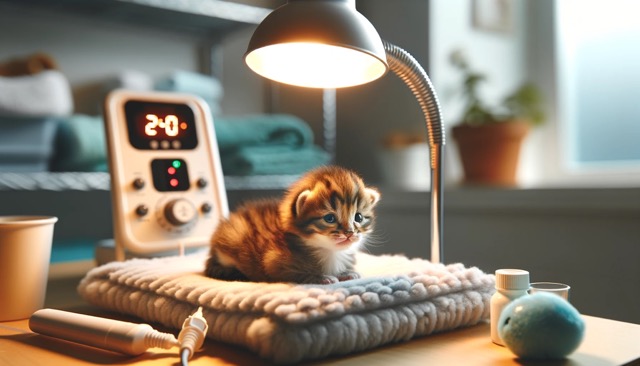
Check the kitten’s temperature at least once daily, especially before bottle-feeding. Remember, newborn kittens cannot properly digest food if they are hypothermic. This simple check can be a lifesaver, ensuring the kitten is in a state to safely consume and process its food. I’d recommend doing that the first 2-3 days when you start taking care of the kittens so you get bet a better sense of what their normal temperature should be.
Blood Glucose Level
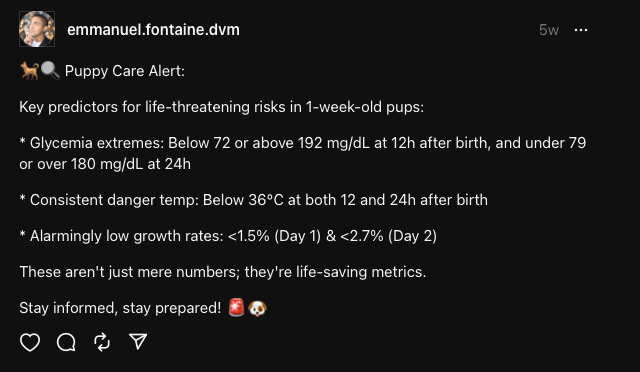
Although specific data on kittens is scarce, applying knowledge from puppies, monitoring blood glucose levels during the first few days can be insightful. Hypoglycemia (low blood sugar) is indeed a serious condition that can lead to severe health issues.
Monitoring blood glucose levels in newborn kittens is straightforward using a human glucometer. Rather than pricking a finger as done in humans, we can gently prick the ear or paw of the kitten to obtain a blood sample. For puppies, the usual recommendation is to monitor their blood glucose levels at 12, 24, and 48 hours after birth. However, if it appears that the kittens are older than this, I would suggest doing this check just once to gain an understanding of their current blood glucose status.
Weight Monitoring
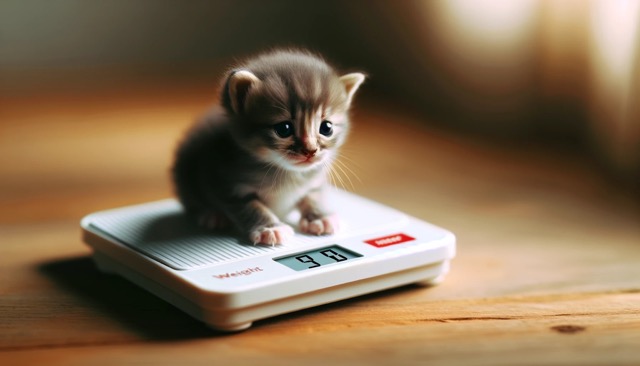
A healthy kitten should gain weight daily. Weigh them regularly to track their growth. Any weight loss is a red flag indicating potential health problems. Using a digital kitchen scale can help you accurately track their progress.
Gastrointestinal Health
Pay close attention to their bowel movements. Both constipation and diarrhea are common in bottle-fed kittens, often due to improperly mixed milk. Keeping an eye on the consistency and frequency of their stools can help you identify and address these issues early.
Socialization and Behavioral Development in Abandoned Kittens
The approach to the socialization and behavioral development of abandoned kittens has evolved significantly over the years. We’ve moved away from the belief that minimal contact is best, understanding now that controlled, mild stressors can positively impact their development.

Inducing Short Acute Stress for Development
- Daily Handling: Gently handling the kittens daily can be beneficial. In puppies, studies have shown that briefly taking them out of their nest and placing them on a slightly cooler surface for 30 seconds to a minute once a day can aid in their development. This gentle stressor helps them better cope with stress later in life. Applying a similar approach to kittens can potentially offer the same benefits.
- Exposure to New Stimuli: Gradually introducing kittens to various stimuli, such as different textures, sounds, and gentle handling, can also contribute to their social and behavioral development. This early exposure helps them adapt better to diverse environments as they grow.
Focus on Nutrition for Brain Development
- Importance of DHA: The brain of a kitten develops rapidly, and certain nutrients are crucial in this phase. Omega-3 fatty acids, particularly DHA (docosahexaenoic acid), play a significant role in cognitive and visual development. Ensuring that the kitten’s diet, particularly the milk replacer, is rich in DHA can significantly impact their brain development and later life functions.
- Choosing the Right Milk Replacer: When selecting a milk replacer for abandoned kittens, look for products that are supplemented with DHA. This not only supports their immediate nutritional needs but also contributes to their long-term cognitive and behavioral health. Same is true for the diets you should pick for nutritional weaning and growth of course.
| 👉🏽 Here is the milk replacer I recommend in newborn kittens. It is also available through a professional program. Learn more about options in the USA and Canada. |
When to Seek Professional Help for Abandoned Kittens
Caring for abandoned kittens is a task filled with both joys and challenges. While many aspects of their care can be managed at home, there are certain situations where consulting a veterinarian is essential.

Consulting a Veterinarian: When in Doubt
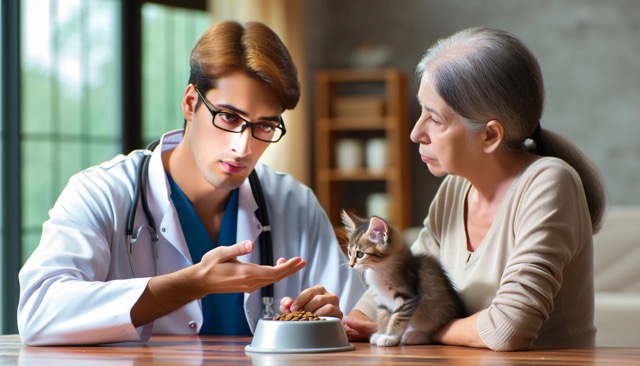
- Immediate Consultation: Anytime you find yourself uncertain about the health or care of a newborn kitten, it’s crucial to consult with a veterinarian. This is particularly important if you notice signs of distress or health issues like hypothermia or any signs of infection. Veterinarians can provide invaluable guidance and treatment to ensure the kitten’s health and safety.
- Recognizing Alert Signs: If you observe any concerning symptoms such as prolonged lethargy, unusual crying, difficulty breathing, or refusal to feed, these are clear indicators that professional help is needed. Prompt veterinary care can make a significant difference in the outcome for the kitten.
Do not wait! Newborn kittens crash quickly, so the earlier you see a veterinarian the better for sure here!
Addressing Weight Loss and Other Concerns
- Initial Response: If you notice a kitten is losing weight, the first step is to assess your feeding practices. Ensure that you’re feeding the kitten enough, following the recommended feeding schedule and quantities for its age. Also, review the environmental conditions – the temperature of their living space and the cleanliness of their bedding.
- 24-Hour Window: After optimizing feeding quantities and the kitten’s environment, closely monitor the kitten’s progress. If there’s no improvement within the next 24 hours, it’s crucial to seek a veterinarian’s assistance.
Continued weight loss or a lack of in a kitten’s condition can be indicative of underlying health issues that require professional assessment and treatment.
Caring for abandoned kittens is a deeply rewarding journey that calls for heart, dedication, and an eagerness to learn. This path goes beyond just offering food and shelter. It’s about tenderly nurturing these delicate lives in their earliest, most fragile phase. This care involves understanding their specific physical and behavioural needs, crafting a secure and nurturing environment, and staying alert to their health and growth. Reflecting on my past experiences caring for orphaned kittens on my island, I wish I had known then what I share with you in this blog. The knowledge I now possess could have saved many more lives. While I can’t change the past, I can equip you with this wisdom, ensuring you’re more prepared than I once was. The care you provide these kittens in their first weeks sets the stage for their lifelong health and joy. It’s a challenge, but one filled with immeasurable rewards.

 DR. EMMANUEL FONTAINE