
“Why does my puppy have diarrhea?” I have no doubt this question echoes in the minds of many pet owners; I indeed see it frequently pop up across social media platforms. I’m gearing up to present on this later in the year, I have a webinar scheduled on this very topic. So to equip myself, I’ve plunged into the depths of current research and academic studies, uncovering fresh and enlightening perspectives on this prevalent puppy health issue. And the more I learn about these findings, the clearer it becomes: this information is too essential to keep to myself I think. Diarrhea in puppies isn’t just a common problem; it’s a concern that touches the lives of many. By understanding the root causes of “why my puppy has diarrhea,” we can take transformative steps toward safeguarding the health of these young dogs. So in this blog, I aim to distill what I’ve learned into practical, easy-to-understand insights. Whether you’re a devoted pet owner, a professional dog breeder, or someone dedicated to caring for puppies in an animal shelter, the knowledge shared here will be invaluable. Let’s embark on this journey together, unlocking the secrets to healthier, happier puppies.
- What’s Behind Puppy Diarrhea?
- What Triggers Diarrhea in Puppies?
- When Should Puppy Diarrhea Symptoms Raise Alarm?
- Can the Right Diet Help Prevent Diarrhea in Your Puppy?
What’s Behind Puppy Diarrhea?

Defining Diarrhea in Puppies
When we refer to “Puppy Diarrhea,” we’re specifically discussing notable changes in the consistency and frequency of their stools.
Diarrhea in puppies is characterized by loose, watery, or unformed stools, which stand in contrast to the normal, firm consistency typical of healthy bowel movements. This condition may also involve an increase in the frequency of defecation, where puppies might need to relieve themselves more often than usual.
And it’s important to note that diarrhea can vary in severity. It may range from a mild, temporary upset to a more severe and persistent condition that could indicate underlying health issues.
In some cases, the colour and texture of the stool can also provide clues about the cause of the diarrhea, such as dietary indiscretions, infections, or even more serious health problems. Understanding these nuances is crucial for accurately assessing the health of your puppy and deciding the best course of action.
It’s crucial to understand that diarrhea itself is just one symptom. It doesn’t encompass other potential signs that are key in determining how serious the issue is and whether a trip to the veterinarian isneeded.
Simply put, it’s the accompanying symptoms that paint the full picture of your puppy’s health.
How Frequent in Puppies?
And one thing you must be aware of: diarrhea is a very common occurrence in puppies.
Research reveals that approximately 25% of puppies develop diarrhea during the weaning phase. What I refer to as “nutritional weaning” marks the transition from milk to solid food, which should typically occur when the puppy is between 4 to 8 weeks.
In a study focusing on Labradors, a noticeable peak in diarrhea cases was observed in puppies aged 3 to 6 months. Interestingly, the risk of diarrhea then decreases as puppies grow older, dropping to about 5.4% in those aged between 12 and 18 months.
Therefore, diarrhea is often a hallmark challenge of early puppyhood, emerging prominently at the onset of their pediatric period.
Important reminder: while “puppy” is commonly used as a catch-all term, it’s important to recognize the distinct phases in a young dog’s life:
- the neonatal period, spanning from birth to about 4 weeks of age;
- the nutritional weaning period, between 4 and 8 weeks, marking the transition from milk to solid food;
- and the pediatric period, following weaning until they reach adult size, each with its unique developmental milestones and health considerations.
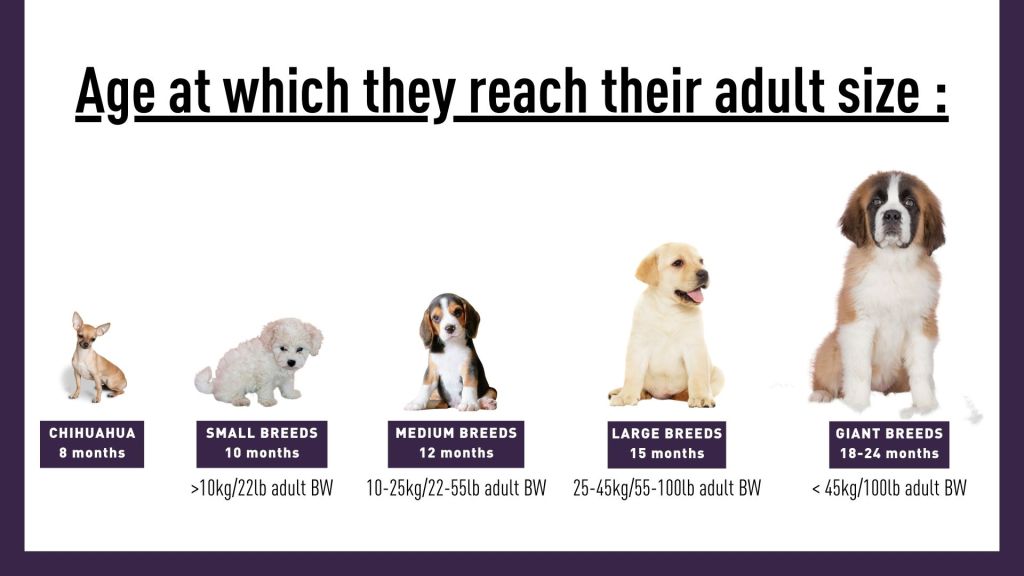
Large Breeds and Increased Risk
An intriguing aspect of puppy diarrhea is its prevalence in large-breed dogs – and that is something to remember for sure.
A large breed dog is typically defined as one whose adult body weight equals or exceeds 25 kilograms (approximately 55 pounds).
Indeed, it is a fact that large and giant-breed dogs are indeed more predisposed to diarrhea than their other canine counterparts, and this is due to specific anatomical characteristics:
– Higher Intestinal Permeability: In simpler terms, this means the intestinal walls of large and giant dogs are more prone to allowing substances to pass through. This can lead to a higher likelihood of bacteria and toxins entering the bloodstream, potentially disrupting the normal digestive process and leading to diarrhea.
– Longer Digestive Tracts and Increased Fermentation Activity: Large and giant dogs have longer digestive tracts. This results in a longer time for food to travel through the colon (colonic transit time). The extended time in the colon increases the fermentation of food, which can produce more gas and lead to softer, more frequent stools – characteristic signs of diarrhea. This increased fermentation activity can disrupt the delicate balance in the digestive system, making diarrhea more common in larger breeds.
What Triggers Diarrhea in Puppies?
Unraveling the causes of puppy diarrhea is like piecing together a complex puzzle. Let’s explore the three primary culprits: viruses, parasites, and dietary factors.
Viruses: The Invisible Culprits
Among viruses, canine parvovirus stands out as a notorious offender. This virus typically manifests with severe diarrhea, often bloody, and can be fatal if untreated. It remains THE most commonly reported cause of acute diarrhea in puppies.
Canine distemper, another viral adversary is an important one to mention as well. Indeed, it might be perceived as a relic of the past, but it’s still very much present. It affects the respiratory and nervous systems, and diarrhea can be one of its many symptoms. In North America, distemper not only affects dogs but also wildlife like raccoons, maintaining its presence in the environment.
And one thing important to be aware of in my opinion: there’s a whole spectrum of other viruses like astrovirus, circovirus, norovirus, kobuvirus… I recently stumbled on a report on how a virus named canine chaphamaparvorvirus could cause diarrhea in dogs… I can promise you, I’d never heard about this one before! So you see, there are LOTS of viral agents potentially causing diarrhea in puppies… and there are probably plenty we are not yet aware of, and for which we do not test for!
When it comes to viral threats like Parvo and distemper, the best defense is vaccination. And it is a very important reminder in this day and age, because in the field, on this topic, I hear more and more misconceptions.
On the contrary to what some might think, these diseases aren’t just echoes from the past; they’re active and present. Vaccination is an essential shield in a puppy’s life, particularly vital as their developing immune system navigates the complexities of growth and health challenges.
Vaccination guidelines for puppies are a critical roadmap to their well-being; engaging in an open dialogue with your veterinarian is key. Skipping these vaccinations is not just a risk – it’s a gamble with their health and safety.
And what about those other viral threats I mentioned and that we do not routinely test for today?
Especially in breeding kennels and animal shelters, the best way to prevent their spread is to focus on sanitation. A good cleaning and disinfecting protocol, targeting nude viruses is paramount. In the video below, I share what I typically recommend in this regard, have a look, it will provide you with essential information.
Parasites: The Hidden Invaders
In puppies, protozoan parasites like Giardia and Coccidia are frequent troublemakers. Protozoa are single-celled microorganisms that can live inside the bodies of animals, including puppies. They are tiny and not visible to the naked eye; and they can disrupt the digestive system, often leading to diarrhea.
Of course, like in the case of viruses, there are plenty of other potential threats: intestinal worms (like roundworms, whipworms, hookworms…) are also mentioned, as well as other protozoa like Entamoeba and Cryptosporidium…
Managing intestinal parasites always involves two key strategies: deworming and (once again!) sanitation.
Regarding the elaboration of efficient deworming strategies in puppies, there are two critical elements you need to have in mind here:
– Veterinary guidelines recommend screening puppies 4 times in their first year to fine-tune deworming protocols. However, these guidelines are often overlooked, despite their importance for a puppy’s health and growth. This is something to discuss with your veterinarian and focus on during puppyhood I believe! When you know exactly what you are up against, you can set up a much more efficient deworming protocol for sure.
– I am often asked what is my favourite protocol in this regard… and truth be told: there is no one-size-fits-all solution here. Deworming protocols vary, depending on environmental and regional factors.
Adhering to established guidelines and consulting with local veterinarians for tailored protocols is essential, and this approach rings true for both individual puppies and breeding kennels here.
What about the importance of sanitation?
The video I shared earlier in this blog will provide you with all the info you need here, and when it comes to parasites I think there are two important elements to have in mind here:
– Most parasites will excrete their eggs via the stools of the puppy… but those eggs typically require to spend some time in the environment to mature before they can infect another puppy; or re-infect the same puppy. So the simple thing to do here… is just to clean after the puppy.
Removing the fecal matter daily in the immediate environment of a puppy will decrease the amount of parasites in the environment, and somehow, reduce the risk. I keep repeating it: nobody likes to “scoop the poop”, but this is a simple gesture that can help you win big here.
– Protozoa are the main threat, and their eggs (typically referred to as cysts) are extremely resistant to the environment. One way to get rid of them? Using high temperatures.
When subjected to temperatures above 70°C (158°F), those cysts typically rupture. This is where steam cleaning comes in handy, and a steam cleaner can be an interesting addition to the sanitation protocol when coccidia/giardia infections are identified as common causes of diarrhea, especially in breeding kennels and animal shelters.
Nutrition: The Delicate Balance
One of the reasons puppies are also more susceptible to developing diarrhea? Their digestive system is still maturing.
Common dietary causes of diarrhea include:
– Dietary Indiscretions: Puppies often eat things they shouldn’t, leading to digestive upset.
Preventing dietary indiscretions in puppies is akin to safeguarding a curious explorer on a treacherous journey.
It starts with vigilance: keeping an eye on your furry adventurer and ensuring their environment is free from harmful or indigestible items. Consistency in feeding a balanced diet, coupled with training to discourage scavenging, lays the foundation for healthy eating habits.
Equally crucial is providing appropriate chew toys to satisfy their natural urge to gnaw, redirecting their attention away from potentially dangerous objects.
By creating a safe, controlled space and instilling disciplined eating behaviours, you’re not just preventing dietary mishaps; you’re nurturing a path to a healthy, thriving life for your puppy.
– Bacterial Contamination: Bacteria like Salmonella and Campylobacter can contaminate food, especially raw diets, posing a risk. Safe, balanced nutrition is key.
To shield your puppy from bacterial contamination, think of their mealtime as a carefully orchestrated ballet of hygiene and precision. Opt for high-quality, reputable diets, and if handling raw diets, be extra cautious — these can be hotbeds for bacteria like Salmonella and Campylobacter. Because of these risks, I am not a fan of raw feeding in puppies…
Ensure all feeding utensils and bowls are sanitized regularly, turning their dining area into a fortress against harmful microbes. Store their food in a cool, dry place, and always wash your hands before and after handling their meals.
This meticulous approach isn’t just about feeding; it’s about safeguarding their health at every bite, ensuring that their journey to adulthood is as safe as it is nourishing.
– Overconsumption: Eating too much can overwhelm a puppy’s digestive system.
Preventing overconsumption in puppies is all about setting boundaries and creating a structured eating environment.
Start by establishing a regular feeding schedule, providing measured portions appropriate for their age, size, and breed, as recommended by your vet.
Avoid free-feeding, where food is available all the time, as it can lead to unregulated eating habits. Instead, opt for controlled meal times, allowing them to eat undisturbed, instilling a sense of routine.
Monitor their growth and adjust portions accordingly, as overeating can lead to digestive problems as we mentioned but also other health issues like obesity.
By being a vigilant guardian of their diet, you’re not just controlling their intake; you’re shaping a healthy relationship with food that will benefit them throughout their lives.
– Lack of Food Transition: Abrupt diet changes can disrupt digestion. A gradual transition over a week is recommended when switching diets.

When Should Puppy Diarrhea Symptoms Raise Alarm?

The statistics mentioned earlier in this blog highlight that diarrhea in puppies isn’t just a passing concern but a common health issue. Knowing how to accurately assess and approach it is crucial, regardless of whether you’re a first-time pet owner, an experienced dog breeder, or working in an animal shelter.
And in assessing the severity of diarrhea in puppies, four critical factors demand our attention:
– the consistency of their stools; it refers to the texture and firmness of a puppy’s feces. In simple terms, it’s about how solid or liquid the poop is.
– the color, which can reveal underlying health issues;
– the smell, a telling sign of possible infections or dietary imbalances;
– And other associated clinical signs, as those could signal a more urgent health concern.
| Consistency | When it comes to evaluating the consistency of stools in puppies, my top recommendation is to use a fecal score chart. Now, you might chuckle thinking about veterinarians and our fondness for charts, but there’s a good reason for it: these charts provide clear visual cues, making it much easier to discern what’s normal and what’s not. Think of it as a ‘poo pictogram’ – a bit humorous, but incredibly practical. In the future, I have no doubt AI tools will be able to analyze a photo of your puppy’s stool and instantly tell you if it’s normal – however, we’re not quite there yet. Today, most AI applications will likely advise you to consult a veterinarian, and when in doubt, that’s always the wisest course of action. It’s important to note that in puppies, normal stool consistency can vary based on their estimated adult weight. What we consider normal for small and medium-breed puppies may differ significantly from large and giant-breed puppies. Therefore, using the right fecal chart is crucial. In dog breeding kennels and animal shelters, I always recommend printing out the appropriate fecal score chart and keeping it visible for everyone involved in puppy care. This way, anyone can quickly reference it to better assess the normalcy of a puppy’s stools, especially when in doubt. This simple tool can be a game-changer in maintaining the health and well-being of these young dogs. The fecal score I referenced here basically indicates if the consistency stools is too hard-too soft/ acceptable / optimal. In the case of diarrhea, if it is considered “too soft” it is always preferable to consult with a veterinarian. |
| Colour | When deciphering the colour of puppy stools, it’s like playing a detective game with significant health implications. The normal colour of a healthy puppy stool is generally a consistent, chocolate brown, indicating a well-functioning digestive system and proper absorption of nutrients. And three colours in particular demand immediate attention: – Dark Black: This ominous hue often indicates the presence of digested blood, a red flag for a lesion in the upper digestive tract. Commonly seen in severe cases like parvovirus, dark black stools are a critical sign calling for an emergency veterinary consultation. They whisper a tale of potential internal distress that cannot be ignored. – Bright Red: The sight of red in your puppy’s stool is alarming. It suggests fresh blood in the digestive tract. If the stool is very liquid and the blood is abundant, it’s a clear signal for an emergency visit to the vet. Hemorrhagic diarrhea in puppies is a serious matter. However, a caveat exists: small, bright red spots on an otherwise normal stool, especially if the puppy’s overall condition seems stable, often point to a coccidia infection. This requires a vet’s attention, but not necessarily the same urgency as other causes. – Yellow: A yellow stool, curiously, often signifies undigested fat. This colour can be associated with coprophagia – when puppies consume feces, finding them oddly more palatable. It’s a colour frequently linked to Giardia infections. While a consultation is needed to clarify the situation, it doesn’t usually demand the immediate urgency of other symptoms, provided it’s the sole concern observed. |
| Smell | While no puppy stool is going to be odourless, an exceptionally foul or unusual smell can be a cause for concern. As a pet owner, you should be particularly alert to a foul or unusually strong smell, which often signifies an insult to the digestive tract, such as necrosis. Necrosis refers to the death of tissue within the digestive system, a severe condition that emits a distinctively repugnant smell, far worse than the usual scent of canine stools. This intense, offensive smell is a clear warning sign, pointing towards a serious underlying health issue that requires immediate attention. If you encounter this in your puppy’s stool, it’s imperative to seek emergency veterinary consultation without delay. |
| Associated clinical signs | When evaluating the seriousness of diarrhea in puppies, it’s crucial to also consider other clinical signs; if it’s accompanied by vomiting, lethargy, fever, seizures, or weight loss, these are critical indicators that necessitate an almost immediate consultation with a veterinarian, as they could signal a more urgent health concern. |
Can the Right Diet Help Prevent Diarrhea in Your Puppy?

The answer to this question is a resounding yes. However, it’s crucial to remember that the approach one needs to take here should be multifaceted.
Indeed, in the realm of puppy nutrition, three pivotal questions must always be addressed: What to feed, how to feed it, and how much to feed. Answering these effectively can profoundly influence a puppy’s health and play a crucial role in preventing diarrhea.
Only by answering those 3 questions could one harness the full power of nutrition in these situations.
What to Feed: the Right Diet
The Diet
Whenever the topic of diarrhea in puppies arises, a recurring theme often emerges the recommendation of a “bland diet.” But what exactly does this mean?
A “bland diet” for puppies with diarrhea is a dietary approach that emphasizes simplicity and high digestibility. This regimen typically includes easily digestible foods like boiled chicken and plain rice, which provide essential nutrients without overtaxing the puppy’s sensitive digestive system. The goal is to offer a soothing meal that helps settle an upset stomach, supporting the recovery process.
However, it’s crucial to delve deeper into what this means for your puppy’s nutrition.
The essence of a bland diet is its high digestibility, but on contrary to what one might think, it’s not limited to just homemade chicken and rice. There are commercial diets specially formulated to address this need. These offer a more complete and balanced solution and in these situations, they are worth considering I believe.
These diets are meticulously crafted to cater to the distinct growth demands of puppies, with a special focus on formulations that align with their size. As highlighted earlier in this blog, this aspect is crucial, given that a puppy’s size can significantly sway their vulnerability to conditions like diarrhea. Therefore, selecting a diet that takes into account their size becomes a pivotal factor in ensuring their optimal health and well-being.
They are crafted to not only ease the digestive process but also to support and strengthen overall digestive health thanks to the presence of certain key nutrients (like prebiotics and specific blends of fibres for instance). When choosing a diet for a puppy, it’s therefore important to look beyond the ingredients list and focus on the nutritional claims made by the product in my opinion.
While the ingredients list gives you an idea of what’s in the food, it doesn’t provide a complete picture of the nutrient composition, which is what truly matters. Nutrients are the key components that will aid in your puppy’s recovery and overall health.
Therefore, for puppies experiencing mild diarrhea, starting with a highly digestible diet adapted to the specific size of the puppy is a wise choice I think.
Also, in the modern approach to veterinary care, nutrition takes a front seat in managing mild cases of diarrhea in puppies. The spotlight is on therapeutic gastro-intestinal diets specifically formulated for young dogs.
These diets are more than just food; they’re a targeted intervention, expertly crafted to soothe and heal the delicate digestive systems of puppies. They also embody a shift in thinking: from treating symptoms to nurturing health through tailored nutrition.
When faced with mild diarrhea, these specialized diets can be a game-changer, providing the support and care that ailing puppies need to recover and thrive.
Certain puppy diets are specially designed to bolster the development of their immune system, a vital aspect worth emphasizing.
Key nutrients like antioxidants and beta-glucans have been demonstrated to aid in this process. Reflecting on our earlier discussions, the significance of these nutrients becomes even more apparent.
Puppies nourished with such diets often exhibit a more robust immune response to vaccinations, a phenomenon some experts interpret as an indicator of enhanced immune functionality. This factor alone makes such diets worthy of consideration.
It’s essential to scrutinize the claims on these products, as manufacturers typically highlight these immune-boosting properties, providing a clear indication of their potential benefits.
Supplements?
A recurring question I often encounter is which supplements should be added to their puppy’s diet when faced with diarrhea. The market is indeed flooded with a myriad of supplements touted to enhance digestive function. These range from prebiotics, which are essentially non-digestible fibres that fuel beneficial gut bacteria, to probiotics, live beneficial bacteria that can help balance the gut microbiome, and even psyllium seeds, a form of fibre known for its ability to regulate digestion.
These supplements can indeed play a supportive role in nurturing the gut microbiome of puppies. In previous blogs, I’ve delved into the intricacies of the puppy microbiome.
Simply put, the gut microbiome is a complex community of microbes living in the digestive tract. It’s not only pivotal in the development of a puppy’s immune system but is also increasingly regarded by some experts as an organ in its own right. The goal therefore today is to optimize this microbiome for the overall health of the puppy.
And to do so, strategies like the use of probiotics and prebiotics are often recommended. However, caution is key here. I’ve witnessed cases where an over-reliance on supplements led to negative outcomes.
In the realm of nutrition, balance is paramount; more isn’t always better. Excessive supplementation could inadvertently disrupt the very balance we aim to achieve.
In conclusion, while there are supplements that can offer digestive health benefits, it’s essential to start with a diet already optimized for digestive health, as these are typically fortified with beneficial nutrients. The use of supplements can be advantageous in specific scenarios, but it’s always prudent to consult with your veterinarian first.
As emphasized earlier, an excess of even beneficial elements can counteract your intended goals, underlining the importance of a balanced approach to your puppy’s nutrition.
Wet Diet in Puppies with Diarrhea?
When it comes to incorporating a wet diet for puppies, I confess it’s not always my first choice. However, in certain situations, it merits serious consideration.
Particularly for small-breed puppies, I often recommend a mixed feeding approach, blending wet and dry foods. This strategy can significantly boost their water intake, crucial in reducing the risk of urinary infections to which they are commonly predisposed.
In cases of diarrhea though, the role of a wet diet becomes even more relevant.
Diarrhea can compromise the intestinal tract of a puppy, affecting the delicate brush-border cell enzymes that are crucial for carbohydrate digestion.
When these enzymes are impaired, a puppy’s ability to digest carbohydrates is notably reduced. This is precisely where wet food can be a game-changer, as it typically contains fewer carbohydrates compared to dry food.
Utilizing wet food, either alone or in combination with dry food, can be a strategic choice during the recovery phase. Once the puppy’s health is restored, a gradual transition back to dry food can be made.
This flexible approach to diet can be instrumental in supporting the healing process and maintaining the overall health of a puppy battling digestive issues.
How to Feed: Establishing Proper Feeding Practices
It’s crucial to understand that puppies thrive best on a meal-fed routine, rather than being free-fed.
This disciplined approach involves offering food to your puppy for a limited period, typically 20 minutes, and then removing any uneaten portions.
This practice not only promotes better eating habits but also aids in monitoring their intake more closely. The frequency of meals plays a pivotal role, especially during the weaning period.
Research underscores the benefits of feeding puppies four times a day during this critical phase, with a noticeable improvement in stool quality observed. This structured feeding regimen is strongly advised for optimal development.
As the puppy grows, meal frequency can be adjusted according to specific age-related recommendations, ensuring a tailored approach to their evolving nutritional needs. This mindful feeding strategy is fundamental in laying a strong foundation for a healthy, thriving puppy.
| Adult Body Weight | Number of meals per day | Adult Size Reached At |
| Small (<10kg/22lb) | – 3 meals from 2-5 months – 2 meals from 6-10 months | 10 months |
| Medium (10-25kg/22-55lb) | – 3 meals from 2-5 months – 2 meals from 6-12 months | 12 months |
| Large (25-45kg/55-100lb) | – 3 meals from 2-5 months – 2 meals from 6-15 months | 15 months |
| Giant (>45kg/100lb) | – 3 meals from 2-6 months – 2 meals from 7-18 to 24 months | 18 to 24 months |
Also, the once-standard practice of withholding food for 24-48 hours to allow a puppy’s digestive tract to rest in cases of digestive upset is now being reevaluated.
Recent findings have begun to challenge this traditional approach, shining light on a more progressive strategy. Increasingly, experts are advocating for the continuation of feeding, but with a crucial twist: the switch to a highly digestible diet.
This modern approach is not only gentle on the puppy’s delicate digestive system but also accelerates the recovery process. By providing the right nutrients in an easily absorbable form, we support the digestive system’s natural healing, rather than shutting it down.
This shift in perspective marks a significant advancement in our understanding of canine nutritional health, promising a more effective and compassionate way to address digestive issues in puppies.
How Much to Feed: Ensuring the Right Quantity
The meticulous adherence to feeding guidelines for puppies is not just important—it’s critical.
This diligence guards against the twin perils of diarrhea from overconsumption and the long-term risk of obesity.
While the traditional measuring cup is a common tool, studies reveal its tendency for inaccuracies. The solution? A kitchen scale.
I often encounter resistance from pet owners who believe weighing food daily is too time-consuming. However, consider this: it takes a mere 30 seconds or less to accurately weigh your puppy’s food.
In those brief moments, you’re taking a straightforward yet impactful step toward ensuring your puppy’s optimal health. That’s a small investment of time for a significant return in well-being.
The rules don’t loosen when it comes to mixed feeding either.
Adhering strictly to recommendations—such as combining one can or pouch of wet food with a specific amount of dry food—is vital.
And here’s a pro tip: use two separate bowls, one for dry and one for wet food. Why? While wet food should be discarded after two hours to avoid bacterial contamination, dry food can remain for up to 24 hours.
This simple practice is more than just a feeding strategy; it’s a commitment to maintaining the health and safety of your growing puppy.
As I explore the scientific literature and online resources on puppy diarrhea, I’m struck by the persistence of certain misconceptions. My aim with this blog has been to dispel these myths and offer practical, evidence-based advice. While diarrhea in puppies can present complex challenges, I’m confident that for the majority of cases, we possess effective strategies for management and prevention. The rapidly evolving understanding of the gut microbiome and its critical role in these health issues is especially promising, hinting at even more advanced solutions on the horizon.
A particularly eye-opening revelation for me has been the potential long-term impact of gastrointestinal disorders in puppies. Emerging research suggests that early GI problems may predispose them to chronic digestive issues later in life. This underscores the importance of proactive care – an ounce of prevention is indeed worth a pound of cure. My philosophy is to always be one step ahead in safeguarding the health of our furry companions. May the wisdom and strategies shared within these pages serve as a catalyst for you to take impactful measures in averting these health complications.

 DR. EMMANUEL FONTAINE