
This blog delves into the intricate details of canine reproduction, focusing particularly on the estrous cycle and the role of progesterone in ovulation timing. It provides comprehensive insights into the stages of the cycle, progesterone testing, and the inherent variability in ovulation timing. This resource is invaluable for dog breeders, and veterinarians offering a scientific yet accessible explanation of complex reproductive processes.
Category: Canine Health
Dive into the essentials of canine health, focusing on preventive care, common reproductive conditions, and veterinary insights for breeding dogs and their offspring. Essential for breeders aiming to uphold the highest health standards in their breeding practices and ensure the vitality of their dogs.
[BLOG] Rabies, you are at risk: 5 important tips everyone at the shelter should know !
Rabies poses a significant risk in North America, not just due to wildlife like foxes and raccoons but also domestic animals with unknown health statuses. This article highlights the heightened risk for those working in shelters and provides essential tips to mitigate it. Key measures include vaccination for all at-risk professionals, understanding transmission methods, prioritizing single-housing for new intakes to monitor health, recognizing symptoms early, and knowing the immediate steps to take after potential exposure.
[BLOG] Parasitology: to systematically screen or not, this is the question…
With shelters often being hotspots for infectious diseases, the ideal approach would advocate for systematic screening to tailor treatments and improve sanitation. However, budgetary and time constraints in shelter operations pose significant challenges. While outsourced tests strain finances, in-house testing demands resources and time, making it essential for shelters to weigh the benefits against the costs.
[BLOG] The genomic era: how new genetic tools will revolutionize canine breeding
In the transformative landscape of canine breeding, the genomic era ushers in groundbreaking genetic tools set to redefine our approach. This blog explores the significant impact of genetic advancements on dog breeding practices. With a focus on optimizing health, longevity, and traits, these technologies promise to enhance the selection process, ensuring a healthier future for our canine companions. Discover how genetic testing and personalized breeding strategies can lead to more predictable and desirable outcomes in dog breeds.
[BLOG] Why parasite-free dogs might remain a myth…
Parasites in dogs remain a widespread concern, challenging the notion of achieving a completely parasite-free status for our canine friends. This blog explores the persistent battle against parasites like Giardia and Coccidia, and the critical role of vigilant preventative measures. Despite advancements in veterinary care, including effective deworming protocols and comprehensive vaccination schedules, eradicating parasites in dogs is an ambitious goal. Emphasizing the importance of regular health checks, this piece sheds light on why complete freedom from parasites might still be a myth.
[BLOG] “Larva migrans”: a scientific name for something you should be aware of !
Discover the crucial battle against gastro-intestinal parasites in breeding kennels, emphasizing the significance for canine breeders. Gastro-intestinal parasites, including Toxocara canis, pose significant challenges, adopting strategies like hypobiosis and resistant eggs to thrive alongside dogs. These parasites not only threaten canine health but also pose zoonotic risks to humans, especially vulnerable groups, leading to the larva migrans phenomenon. Highlighting simple yet effective preventive measures, such as proper deworming and hygiene practices, this blog underscores the importance of awareness and action in mitigating these risks in kennel environments.
[BLOG] Giardia infection : important things to know about it !
Giardia infection in pets, especially in breeding kennels and catteries, is a significant challenge due to its complexity and resistance in the environment. This blog highlights the critical aspects of managing Giardia infections, emphasizing that around 10% of dogs, 30-50% of puppies, and nearly all breeding kennels could host this parasite. Understanding Giardia's epidemiology, diagnosis, treatment, and prevention is crucial for breeders to maintain healthy kennels and catteries.

How to Protect Your Kennel From Brucellosis
One infected dog can silently destroy your entire breeding program. Here's how to stop brucellosis before it starts.
[BLOG] Doc, there’s one “ball” missing in this puppy: is it going to be a problem ?
In the world of canine breeding, encountering a puppy with a missing testicle, known as ectopic testis or cryptorchidism, is not uncommon, affecting 1.2 to 5% of male pups. This condition, where one or both testicles fail to descend into the scrotum, can have significant implications. For breeders, it means such individuals should not be bred due to the potential spread of unfavorable genetics and should be neutered to prevent health risks like testicular tumors and torsion.
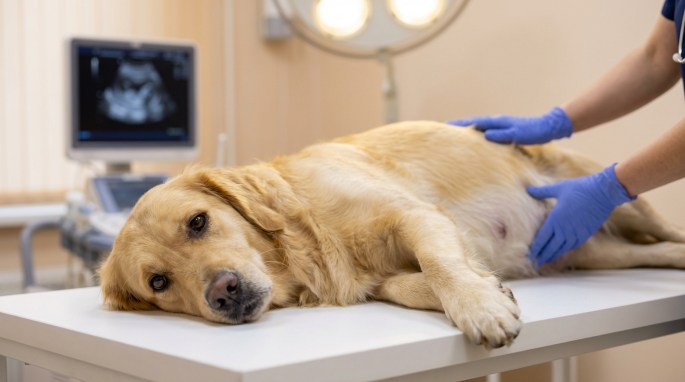
How to Spot and Manage Canine Maternal Hydrops
A rock-hard belly in late pregnancy could be deadly hydrops. Learn to spot the warning signs your vet might miss — before it’s too late.
 DR. EMMANUEL FONTAINE