
Considering a repeat C-section for your dog? Understanding the complexities and necessary precautions is crucial for a smooth pregnancy and birthing process. This article explores key considerations for dogs that have undergone a previous C-section, highlighting the importance of veterinary oversight, timing, and the health of the dam. Learn about the potential risks, signs to watch for during pregnancy, and the steps you can take to ensure the well-being of both the mother and her puppies. From pre-pregnancy planning to post-operative care, get expert insights on managing a C-section birth in dogs.
Category: Dog Breeding
Explore the art and science of dog breeding, from genetic principles to ethical practices. This section offers insights into selecting breeding pairs, and enhancing reproductive health as well as newborn puppy care. Ideal for both novice and seasoned breeders seeking to refine their knowledge and contribute to the betterment of canine health.
[BLOG] Should you worry about coccidia infection in catteries and kennels ? (Part III)
Coccidia infections can significantly impact the health of pets in catteries and kennels, posing a challenge for breeders and pet owners alike. This blog explores the importance of understanding, preventing, and managing coccidia to ensure the well-being of both cats and dogs in these environments. With a focus on actionable insights and practical advice, it highlights the critical steps for maintaining a clean and healthy setting to mitigate the risks of infection. By prioritizing animal health through regular veterinary care, proper sanitation, and informed management practices, breeders can safeguard their animals against this pervasive parasite.
[BLOG] Should you worry about coccidia infection in catteries and kennels ? (Part II)
In the world of cat and dog breeding, understanding the risks and prevention strategies for coccidia infection is crucial for maintaining the health of your kennel or cattery. This comprehensive guide explores the significance of coccidia, a common yet often overlooked parasite that can affect both puppies and kittens, particularly in environments where animals are bred and raised. With an emphasis on practical advice, the blog outlines effective measures for diagnosis, treatment, and, most importantly, prevention to ensure the well-being of your breeding animals and their offspring.
[BLOG] Should you worry about coccidia infection in catteries and kennels ? ( Part I )
Coccidia infection presents a notable health concern for cats and dogs in catteries and kennels, impacting animals of all ages but posing a significant risk to the very young. This comprehensive guide addresses the symptoms, transmission, and prevention strategies of coccidia, aiming to educate breeders and pet owners on effective management practices. Understanding the life cycle of coccidia and implementing strict sanitation measures can significantly reduce the risk of infection. Additionally, the blog highlights the importance of early detection and treatment options available to combat this infectious disease, ensuring the well-being of your breeding program and safeguarding the health of puppies and kittens.
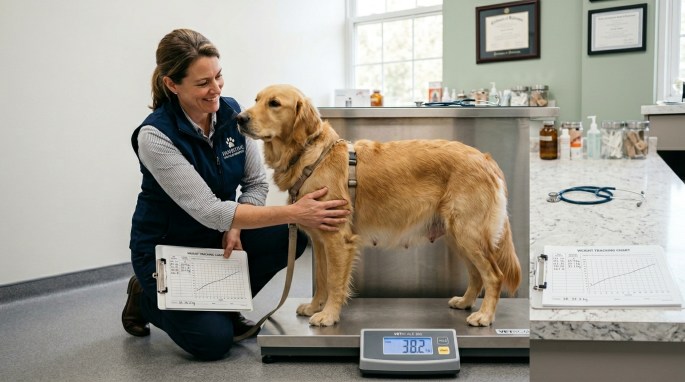
What Should Your Pregnant Dog Weigh Each Week?
Your pregnant dog's weight tells you whether whelping will go smoothly or head toward dystocia. Here is the week-by-week protocol: zero gain for 40 days, then steady 15 to 25 percent gain through whelping, and the red flags your vet needs to see.
[BLOG] The truth about silent heats : 20 facts dog breeders need to know ( Part II )
Understanding silent heats in dogs is crucial for successful dog breeding. This comprehensive guide illuminates the often-misunderstood phenomenon of silent heats, offering essential insights into recognizing and managing it effectively. Learn about the vital signs, the role of hormones like estrogen and progesterone, and the impact on fertility. Perfect for breeders looking to enhance their knowledge on canine reproduction, this article demystifies silent heats, backed by scientific explanations and practical advice.
[BLOG] The truth about silent heats : 20 facts dog breeders need to know ( Part I )
Unlocking the mystery of silent heats in dogs, this comprehensive guide is essential for dog breeders aiming to understand and navigate this phenomenon effectively. Silent heats can complicate breeding plans and hinder successful outcomes, making knowledge in this area invaluable. Covering everything from identifying silent heats to managing breeding strategies around them, the blog offers practical insights and solutions. With a focus on hormonal cues and breeding timing, readers will gain the knowledge needed to enhance their breeding success rates.
[BLOG] Pinterest : a revolution in canine & feline breeding ?
Explore the transformative impact of Pinterest on canine and feline breeding in our latest blog. This comprehensive guide illuminates how breeders and pet enthusiasts are leveraging Pinterest to showcase their kennels and catteries, enhancing the visibility of breeding programs worldwide. Discover practical tips on utilizing Pinterest boards for breeding insights, including puppy and kitten growth, nutrition, and health care strategies. With an emphasis on visual content, Pinterest offers a unique platform for breeders to share their success stories, educate on best practices, and connect with a broader audience.
[BLOG] Your bitch is about to whelp ? My 10 tips to relieve her from the associated stress ! (Part II)
Preparing for the birth of puppies is a crucial time for breeders and dog owners alike. This article offers invaluable advice for relieving stress in expectant dogs, ensuring a smoother whelping process. Discover practical tips on optimizing the environment with a properly prepared whelping box, the significance of maintaining cleanliness and quiet, and the importance of nutritional support during this demanding time. Our guidance is designed to support the dam's health and well-being, contributing to the successful delivery and care of her newborn puppies.
[BLOG] Your bitch is about to whelp ? My 10 tips to relieve her from the associated stress ! (Part I)
Preparing for your dog's whelping can be both an exciting and stressful time. To ensure a smooth process for the soon-to-be mother and her puppies, it's crucial to reduce her stress levels. This blog post shares essential tips for dog owners to support their pregnant dogs through the final stages of pregnancy and the birthing process. From creating a comfortable whelping box to understanding the nutritional needs of a pregnant dog, these insights will help you provide the best care.

