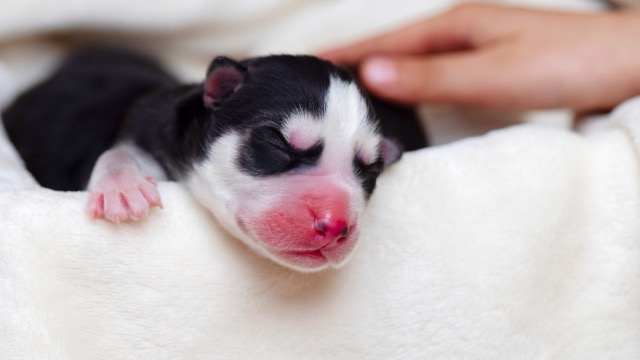
Considering back-to-back breeding for your dog? Our latest blog post explores the pros and cons of consecutive breeding cycles and its impact on the health and fertility of your dog. Understand the physiological demands on the dam, and learn about the crucial factors that influence breeding decisions. This comprehensive guide provides expert insights backed by veterinary science to help breeders make informed choices about their breeding strategies.
Tag: Dog Pregnancy
Covers the stages of dog pregnancy, care tips, and health monitoring.
[BLOG] Canine reproduction: why you should keep an eye on the weather forecast
Understanding the impact of weather on canine reproduction is essential for dog breeders. Cold weather can lead to reproductive challenges, particularly for males, due to frostbite risks affecting the scrotum. This blog highlights the importance of monitoring the weather to safeguard reproductive health in dogs, emphasizing preventive measures to avoid complications.
[BLOG] Spaying & Neutering : the Rule of Diestrus
Understanding the optimal timing for spaying and neutering can significantly enhance your pet's health and breeding management. This informative blog explores the crucial role of the diestrus phase in dogs' reproductive cycles and its implications for timing these surgical procedures. Tailored for veterinarians, breeders, and pet owners, it provides vital insights into how spaying and neutering during diestrus can impact health outcomes.
[BLOG] Estrus Induction : Yes We Can in Canines
Unlock the potential of estrus induction in canines with this comprehensive guide! Whether you're a seasoned breeder or just starting out, understanding how to effectively manage the reproductive cycle of your dogs is crucial. Our latest blog post explores the innovative methods and hormonal treatments used to control and stimulate estrus in female dogs. Learn about the roles of key hormones like progesterone and estrogen, and discover practical tips for successful breeding outcomes.
How Can You Screen Hypothyroidism in Breeding Dogs?
Hypothyroidism is rarely the cause of infertility in breeding dogs, yet it is one of the most overdiagnosed conditions in the kennel. Learn what a complete thyroid panel actually looks like, why a single T4 test misleads, when to screen, and how to interpret thyroglobulin autoantibodies without removing valuable dogs from your program.
Canine Brucellosis in the News ! (2019)
anine Brucellosis presents a significant concern for dog breeders due to its impact on the reproductive health of both male and female dogs. This bacterial infection, caused by Brucella canis, poses risks not only to dogs but also as a zoonotic disease that can affect humans.
[BLOG] Canine Reproduction : What About Dual Sire Insemination ? (2019)
Explore the fascinating technique of dual-sire insemination in canine reproduction through our latest blog. This advanced breeding method allows for the potential siring of a litter by two different males, enhancing genetic diversity and the likelihood of desirable traits. Understand the processes involved, from selecting compatible sires to the science behind sperm competition within the female reproductive tract. Discover how progesterone and ovulation tracking are crucial in timing these procedures to maximize success.
[BLOG] Canine Infertility : Remember This !
Exploring the challenges of canine infertility, this blog offers essential insights into common issues affecting the reproductive health of dogs. It highlights the importance of understanding hormonal influences such as progesterone, AMH, and estrogen levels, which play pivotal roles in successful breeding. Veterinarians and breeders will find practical advice on optimizing the health of sires and dams, alongside discussions on critical reproductive milestones and conditions.
[BLOG] #QuickFact : The 35 Day Rule
Explore the critical 35-day rule in dog pregnancy with our latest blog. This insightful piece highlights the significance of this period, offering practical advice and expert analysis on canine reproductive health. Understand why this stage is essential for both the dam and future puppies, with clear, actionable tips on care and monitoring. Ideal for breeders and veterinarians, this article is a must-read for those committed to ensuring the health and well-being of pregnant dogs and their offspring.
[BLOG] 16 things dogs breeders MUST know about pseudo gestation Part II
Understanding pseudo-pregnancy in dogs is crucial for breeders to manage canine reproductive health effectively. This blog provides essential insights into the signs, management strategies, and implications of pseudo-gestation in breeding programs. It highlights the hormonal dynamics, including progesterone and estrogen levels, that underpin this condition and the necessary veterinary interventions. By arming breeders with this knowledge, the article aims to promote better welfare and breeding outcomes for dogs.