
Understanding the Apgar Score in Animal Shelters: This insightful blog explores the critical role of Apgar scores in assessing the health and vitality of newborn puppies and kittens in shelters. By providing a straightforward overview of the Apgar score's parameters - heart rate, respiration, reflex irritability, muscle tone, and color - the article highlights how this quick and efficient method can be a game-changer in improving neonatal care in a shelter environment.
Tag: Newborn Kitten Care
Key advice on caring for newborn kittens, including feeding, warmth, and early socialization.
[BLOG] Nutrition in animal shelters: about dietary transition and its importance
Understanding the critical importance of dietary transition in animal shelters is essential for the well-being of both cats and dogs. This blog explores the challenges and strategies associated with changing diets in a shelter environment, emphasizing the need for careful management to prevent gastrointestinal issues. Transitioning diets can significantly impact an animal's health, influencing everything from digestive health to nutrient absorption.
[BLOG] Fading puppy/kitten syndrome: what does this even mean ?
Fading Puppy and Kitten Syndrome represents a significant concern for breeders and pet owners alike, striking the most vulnerable pets during their first weeks of life. This syndrome encompasses a range of symptoms leading to the early demise of newborn puppies and kittens, often without a clear warning. Understanding the causes, from infectious diseases to environmental stressors, is crucial for prevention and effective intervention. Nutrition, proper care, and timely veterinary support play pivotal roles in safeguarding the health of these young pets. Our comprehensive guide explores strategies to identify early signs and implement preventative measures, aiming to reduce the incidence of this heartbreaking condition.
Colostrum and Kittens’ Immunity: What Every Cat Breeder Should Know About Passive Transfer
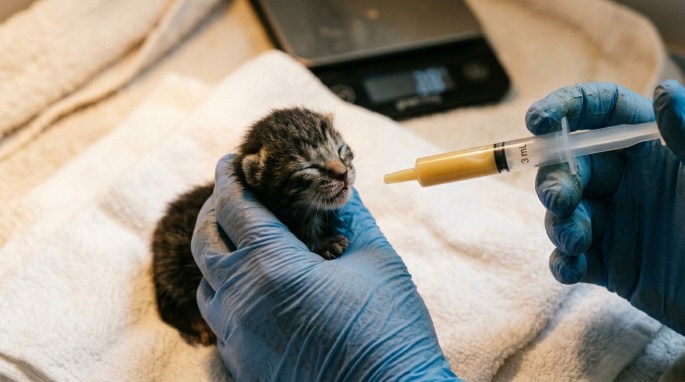
Understanding the pivotal role colostrum plays in the development of a kitten's immune system is crucial for breeders and cat owners alike. This blog highlights the essential benefits colostrum provides to newborn kittens, ensuring they kick off life with robust health. Colostrum, the first form of milk produced by the mother post-birth, is laden with antibodies and nutrients, vital for disease protection and overall growth. For kittens, the first hours after birth are critical; their ability to absorb these life-saving antibodies diminishes rapidly. Insights into ensuring kittens receive this vital nutrition, potential challenges in natural feeding, and the importance of timing for optimal immunity are provided.
[BLOG] Nutrition in animal shelters: the importance of food storage !
In animal shelters, proper food storage is critical for ensuring the health and wellbeing of dogs and cats. This blog explores essential tips and strategies for managing nutrition in shelter environments, highlighting the significance of maintaining food quality to prevent nutritional deficiencies and foodborne illnesses. Discover how implementing robust food storage practices can lead to healthier, happier animals ready for adoption. We cover everything from the selection of appropriate food containers to the importance of a clean storage area, providing actionable advice for shelters looking to improve their nutrition management.
[BLOG] Nutrition in animal shelters: beware of the “cup mistake” !
Ensuring consistent and optimal nutrition in animal shelters is crucial for the health and wellbeing of both dogs and cats. This blog explores the importance of maintaining a stable diet for shelter animals to support their growth, immune system, and overall health. With a focus on the unique nutritional needs of shelter pets, it highlights strategies for implementing a consistent feeding regimen that caters to the varied dietary requirements of different breeds and life stages

White stools in newborn kittens/puppies: what does it mean ?
Concerned about white stools in newborn kittens/puppies? It signals malabsorption & can be lethal. Understand causes & treatments on our blog.
[BLOG] Cleft palates in dogs and cats: 21 facts breeders need to know Part II
Discover essential insights on cleft palates in dogs and cats with our comprehensive guide. This blog provides breeders with 21 critical facts about the condition, highlighting the importance of understanding genetic factors, identifying symptoms early, and the need for specialized care. Learn about the challenges and treatment options for puppies and kittens born with cleft palates, including surgical interventions and feeding strategies. Whether you are a seasoned breeder or new to the world of dog and cat breeding, this article offers valuable knowledge to ensure the well-being of affected newborns.
[BLOG] Weaning diarrhea in kittens: what I learnt this year at the NAVC
This post uncovers the intricate balance between nutrition and digestive health during weaning, offering practical solutions for breeders and cat owners. Learn about the impact of premature weaning and the simple yet effective measures to mitigate lactose intolerance symptoms in kittens, ensuring their smooth transition to solid foods.
[BLOG] Back to the Future : Reviewing my Minutes from the 2012 ISCFR – Part I (2018)
In this insightful update from the 2012 ISCFR, key advancements and pivotal research findings in reproductive health for dogs and cats are highlighted. From the latest on artificial insemination techniques to breakthroughs in understanding hormonal impacts on fertility, this blog offers essential knowledge for veterinarians and breeders alike. Discover the significant strides made in breeding soundness examinations, the crucial role of hormones like progesterone, AMH, and LH in reproductive cycles, and the advancements in neonatal care that promise healthier future generations for both canines and felines.

