Optimizing Growth and Development in Puppies and Kittens: Lessons from Human Medicine

Discover how growth charts for puppies and kittens can revolutionize how we care for them. By using insights from human medicine, we can identify and intervene early on with failure to thrive, ensuring optimal growth and development for these young animals.

Boosting Puppy Health: Key Maternal Factors

As a veterinarian or breeder, it is crucial to understand the various maternal factors that have an impact on the health of puppies at birth. Every pup has the potential to grow into a strong, healthy dog, but ensuring their well-being starts from the moment they are born. From the mother's diet and physical condition to the environment in which she gives birth, there are several key factors that play a role in the overall health and development of the litter. In this blog, we will explore some of the most critical maternal factors that can affect puppies' health and well-being, and provide tips and recommendations to maximize the chances of a successful birth

Understanding and Managing Neonatal Mortality in Your Dog Breeding Program

Breeding healthy and thriving puppies is the goal of every dog breeder. But, to achieve this goal, it's important to understand and monitor the neonatal mortality in your breeding program. Neonatal mortality refers to the number of deaths of puppies within the first three weeks of life and is influenced by various factors, including genetics, maternal care, and environmental conditions. In this blog, we dive into the key elements that contribute to neonatal mortality and provide practical tips and insights on how to reduce it and ensure the success of your breeding program. From proper nutrition and disease prevention for the dam, to effective management during pregnancy and delivery, we cover it all. Read on to learn how to make the future of your breeding program bright.

Maximizing Puppy Survival: A Guide to Personalized Care in Breeding and Rearing

Are you a breeder or pet owner looking to ensure the best possible care for your pregnant dog and her litter of puppies? Look no further! In this comprehensive guide, we will discuss the key actions to take to maximize puppy survival, including personalized check-ups from a veterinarian, properly measuring food and supplements, and providing a healthy environment for the mother dog. Don't miss out on the opportunity to give your furry family the best care possible. Read on to learn more about maximizing puppy survival!

The Veterinary Pediatric Consultation : Two Sides of a Coin, None to Be Neglected ! (2022)

In this insightful blog, Dr. Emmanuel Fontaine discusses the critical elements of a veterinary pediatric consultation, emphasizing its dual nature and the importance of not overlooking any aspect. The article outlines best practices for managing both the mother and the newborn, highlighting the pivotal role of monitoring and supporting their health through comprehensive strategies.

Puppy & Kitten Bottle Feeding : The Essentials

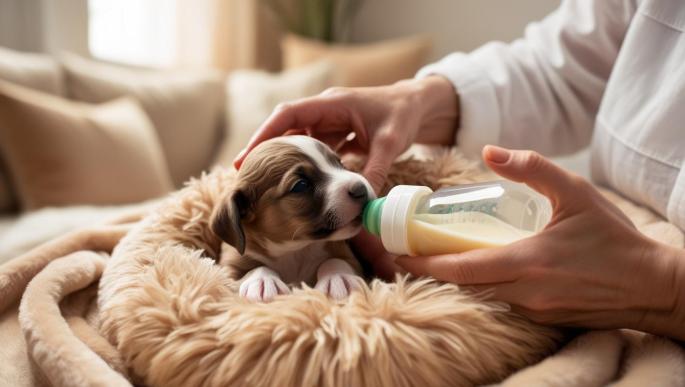
Uncover the lesser-known intricacies of bottle-feeding newborn puppies in our latest blog. Did you know the positioning of your puppy during feeding or the puppy's body temperature could drastically affect their health and digestion? Navigate the myths and truths of puppy nutrition, understanding why cow's and goat's milk aren't suitable substitutes. We'll surprise you with essential tips and overlooked details that could transform your approach to feeding. Teaser: The first thing to do before bottle-feeding a puppy is not what you think! Intrigued? Dive in to discover more about the fascinating world of puppy neonatology.

The Power of Three: Mother, Newborn, and Environment in Veterinary Neonatology

In veterinary neonatology, the 'Mother-Newborn-Environment' triad is crucial. Bacterial infections, like ophtalmia, can originate from the mother or the environment. Mothers can transfer bacteria to newborns through licking or nursing, especially if oral health or mastitis is a concern. The environment can also act as a germ reservoir. To prevent these infections, focus on the mother's oral health, daily assess mammary glands, disinfect the umbilical stump, and maintain a clean environment. Ensuring colostrum intake in newborns is also vital for their immune function. These measures can significantly reduce neonatal bacterial infections in puppies and kittens.

[BLOG] Toxic Milk Syndrome : What You Need to Know (2018)

Toxic milk syndrome is a critical condition affecting nursing puppies and kittens, often leading to severe health complications. In this blog, we explore the causes, symptoms, and prevention strategies for toxic milk syndrome, essential knowledge for any pet breeder or caregiver. Understanding the risk factors, such as infections in the dam and hormonal imbalances, can help prevent this potentially fatal condition. We also discuss the role of proper nutrition and veterinary care in ensuring the health of both the mother and her newborns.

[BLOG] Remember this when it comes to calcium and growing puppies !

Understanding the crucial role of calcium in the development of growing puppies is essential for breeders and pet owners alike. This blog post highlights key insights into how calcium supports bone health and overall growth in puppies. As puppies grow, their need for calcium increases, making it important to provide a diet that meets these demands to prevent health issues.

[BLOG] What You Don’t Know About Parvo

Understanding Parvo in Dogs: This blog provides essential insights into Canine Parvovirus, a highly contagious viral disease that can be fatal if left untreated. Learn about the symptoms, modes of transmission, and preventive strategies to protect your puppies. The importance of early vaccination and maintaining strict hygiene standards are also discussed.