Learn how to feed newborn puppies properly with our comprehensive guide. From nursing basics to bottle feeding techniques, ensure your newborn puppies grow strong and healthy.
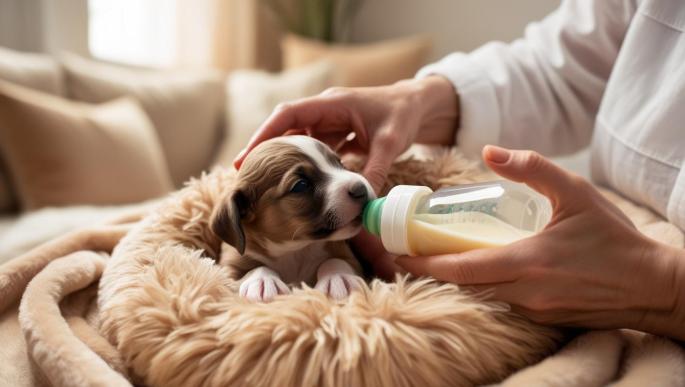

Learn how to feed newborn puppies properly with our comprehensive guide. From nursing basics to bottle feeding techniques, ensure your newborn puppies grow strong and healthy.

Imagine um mundo onde os partos não são mais acompanhados de incertezas constantes e preparativos de última hora. Não é utopia: a tecnologia moderna está revolucionando a maneira como os criadores de cães e gatos lidam com esse processo. Neste blog, exploraremos como esses avanços permitem aos criadores antecipar com precisão a parturição, minimizar os riscos e garantir experiências tranquilas para as mães e seus filhotes.
Imagina un mundo donde las camadas y los partos de gatas ya no estén llenos de incertidumbre y preparativos de última hora. No es fantasía: la tecnología moderna está transformando la manera en que los criadores de perros y gatos abordan las predicciones de parto. En este blog, exploraremos cómo estos avances permiten a los criadores anticipar con precisión la parturición, minimizar riesgos y garantizar experiencias libres de estrés tanto para las madres como para sus crías.
Imaginez un monde où les mises bas ne s'accompagnent plus d'incertitudes constantes et de préparatifs de dernière minute. Ce n'est pas une utopie : la technologie moderne révolutionne la manière dont les éleveurs de chiens et de chats approchent celles-ci. Dans ce blog, nous explorerons comment ces avancées permettent aux éleveurs d'anticiper avec précision la parturition, de minimiser les risques et de garantir des expériences sereines pour les mères et leurs petits.
Imagine a world where whelping and queening no longer come with the constant guesswork and last-minute scrambles. It’s no fantasy—modern technology is transforming how dog and cat breeders approach birth predictions. In this blog, we’ll explore how these advancements empower breeders to anticipate parturition accurately, minimize risks, and ensure stress-free experiences for both mother and offspring. Let’s dive in!
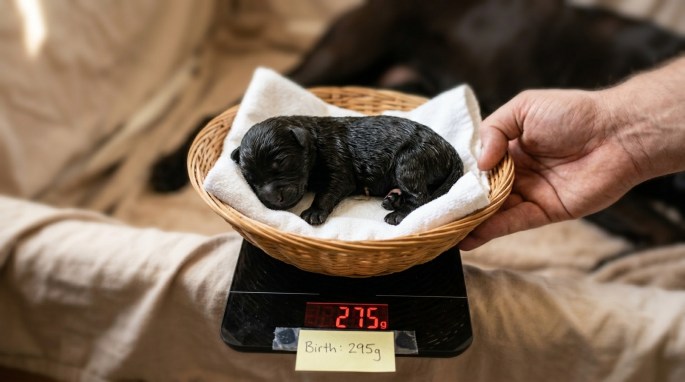
Colostrum IgG varies by 42 percent between teat pairs on the same bitch, with no predictable best position. Daily weighing and the 4 percent Day 2 weight-loss rule replace the search for the best teat. The 8-hour window decides every litter.

Explore the critical aspects of caring for premature puppies, from recognizing early labor signs to effective post-birth interventions. This blog offers essential insights into managing the delicate first days of a premature puppy's life, ensuring every possible measure is taken for their survival and health.

Explore morning sickness in dogs: Understand symptoms, causes, and care tips for a healthy canine pregnancy. Learn more in our latest blog!

Explore the nuances of newborn puppy care, focusing on the importance of gentle touch and safety precautions for their well-being.

Your newborn puppy won't nurse? In this blog, I share an abundance of tips and practical solutions for addressing this challenge.

