
Lately, I have concentrated on the pediatric phase in kittens, a vital period that spans from post-nutritional weaning (typically after 8 weeks of age) until 12 months when they reach their adult size. I’ve been exploring the scientific literature on diarrhea in kittens, gearing up for a presentation later this year. And this has unearthed some fascinating new facts that are worth sharing in my opinion! Indeed, diarrhea in kittens is a very frequent cause of veterinary consultation; it always raises lots of interrogations… and trust me, it can sometimes be more than a mere inconvenience. Something I realized recently: our approach to treating this condition is critical in preventing long-lasting gastrointestinal health consequences. So in this blog, we’ll illuminate the key aspects of evaluating and managing kitten diarrhea – from pinpointing the causes, knowing when it’s time to consult a vet… and also what can be done in terms of prevention.
- Kitten Diarrhea: Normal Upset or Sign of Serious Trouble?
- What’s Causing Your Kitten’s Diarrhea?
- How Can You Comfort Your Kitten at Home?
- How Can You Prevent Diarrhea in Your Kitten?
Kitten Diarrhea: Normal Upset or Sign of Serious Trouble?

Diarrhea in kittens refers to frequent, loose, or watery bowel movements that differ significantly from their normal stool consistency. It’s a common symptom indicating that something is disrupting the normal function of their digestive system.
And I am sure you did not learn much from this previous sentence. Every pet owner knows a bit about diarrhea, but it’s crucial to remember that… it’s not all the same when it comes to this condition! Diarrhea comes in various shapes and forms, and it’s essential to focus on certain key signs that can significantly indicate the severity of the situation.
Therefore, here is something important to remember in my opinion:
When assessing the severity of a kitten’s diarrhea, there are always 4 critical elements to analyze: the consistency of the stools, their colour, their smell, and any associated general clinical signs.
This is where you should always start, as evaluating these parameters is crucial in determining the urgency and severity of the condition, guiding you toward the appropriate response for your kitten’s health.
Decode Stool Consistency with Handy Fecal Charts!
Yes, we veterinarians have a thing for charts! But they’re incredibly useful, right? Especially when it comes to kitten diarrhea.
Over the years indeed, I’ve encountered numerous clients who thought their kittens had diarrhea, but in reality, everything was normal. They simply didn’t know what signs to look for. This confusion and stress could have been easily avoided with the help of fecal charts.
However, a quick online search will reveal a wide variety of these charts. They might use different scoring systems – for instance, a score of 7 might indicate watery diarrhea on one chart, while on another, it’s a score of 1 – but they all essentially guide you to the same conclusion about stool consistency I find.
I always recommend having a fecal chart handy if you are a new kitten owner. This is even more important if you’re a cat breeder or work in an animal shelter. Consider printing one out and placing it on a wall where everyone can see it. This way, everyone involved in caring for the kittens knows exactly what’s normal and what’s not. Because remember – in these cases, knowledge is truly power!
I usually recommend the one I shared on Threads below:

Here’s a straightforward way to interpret fecal scores based on scientific papers:
- Score ≥3 = Diarrhea
- Score ≥4 = Severe Diarrhea
It’s important to note that severe diarrhea warrants immediate veterinary attention. This is a critical point where professional consultation becomes essential for your kitten’s health.
Colour Code: Assessing Stool Shades in Diarrhea Cases
The colour of your kitten’s stool is more than just a detail; it’s I think a window into their well-being. And I am not kidding here!
Indeed, the colour of diarrhea in kittens is a key indicator in assessing the severity of their condition. Normally, kitten poop should have a deep brown colour, signifying a healthy digestive process. However, in the world of feline health, there’s a spectrum of stool colours, each telling its own story.
When it comes to kittens, three specific colours are particularly important to note, as they can signal different health issues. These are outlined in the table below, which also tells you what they mean, and what you should do when you observe these (associated with diarrhea obviously).
| Color | What It Means | What To Do |
| Black | Very dark, almost tar-like black stools are indicative of digested blood in the gastrointestinal tract. This colour change is a result of internal bleeding, where the blood has had time to be partially digested, giving the stool its distinctive dark appearance. | This symptom is a serious warning sign and requires immediate veterinary attention. This is something frequently observed in cases of feline panleukopenia. |
| Red | Red in the stools indicates the presence of blood, signalling an injury of some sort within the digestive tract. | Anytime you observe a high quantity of blood in the stools (almost liquid, very often associated with a foul smell), especially in the case of severe diarrhea, this is an emergency. Consult with your veterinarian as quickly as possible here. One exception: when the blood appears as streaks or spots of bright red within the stool. This fresh, undigested blood suggests irritation or inflammation in the lower part of the gastrointestinal tract, such as the colon or rectum. The presence of blood in this form can be an indicator of the irritation caused by the coccidia parasites in the intestinal lining. While consulting your veterinarian is crucial in this situation, it doesn’t typically necessitate an emergency visit, unless, of course, there are other concerning symptoms accompanying it |
| Yellow | Stools ranging from light green to mustard yellow typically indicate the presence of undigested fat. This coloration is commonly seen in cases of Giardia infection, although other parasites can also cause this symptom. | The distinct yellow hue serves as a clear signal to investigate further for potential parasitic infections. Consultation with a veterinarian is also required here. |
The Scent of Concern: Unusual Stool Odors and Kitten Health
The smell of kitten stools can be a telling indicator of their overall health. Normally, kitten stools have a mild, not overly offensive smell, which is typical for any healthy animal.
However, when the smell becomes unusually strong, pungent, or foul, it’s a sign that something might be amiss. Abnormal smells can indicate a range of issues, from dietary indiscretions to infections or gastrointestinal disorders.
If you notice a persistent, significantly unpleasant smell from your kitten’s stools, it’s more than just a nuisance – it’s a cue for a veterinary consultation.
This change in smell, especially if accompanied by other symptoms like changes in stool consistency or colour, requires professional assessment to ensure your kitten’s health isn’t at risk.
Beyond Diarrhea: Critical Symptoms in Kittens to Watch For
When kittens experience diarrhea, it’s crucial to watch for associated clinical signs indicating a more serious health issue.
Concerning symptoms include lethargy, loss of appetite, vomiting, dehydration, and a noticeable decrease in playfulness or general activity. These signs, especially when combined with diarrhea, can be red flags for underlying conditions that require immediate veterinary attention.
Lethargy and loss of appetite can suggest systemic illness, while dehydration in a kitten can quickly become life-threatening. In addition to diarrhea, vomiting increases the risk of dehydration and indicates a more severe gastrointestinal upset.
It’s essential to act swiftly if you observe these symptoms in your kitten.
Early intervention can be the key to a quick recovery and prevent more serious complications, ensuring your kitten returns to its playful, healthy self as soon as possible.
Spotting Trouble Early: How Growth Charts Can Guide Kitten Care
Here’s a bonus tip that can be a game-changer in managing your kitten’s health: the use of growth charts during their pediatric phase. Because growth charts are not just tools for tracking size; they are vital in detecting growth alerts. And in cases of diarrhea, they can be I believe of great help!
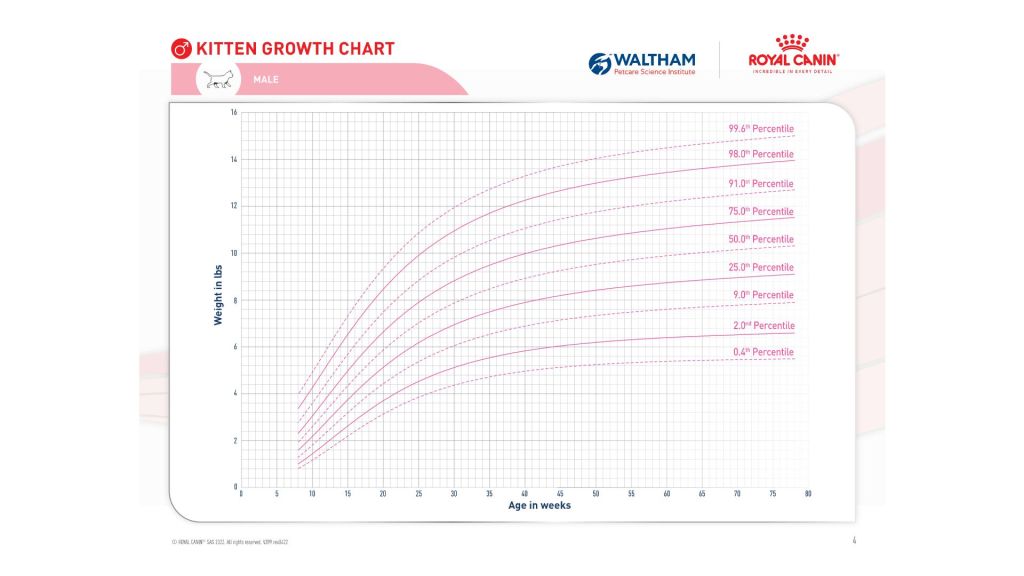
A pronounced weight loss in a kitten, as indicated by a downward shift of two centiles on their growth chart, is a significant concern. This shift doesn’t just mark a deviation from normal growth patterns; it underscores the severity of their condition.
When a growth alert like this is spotted, it’s a clear signal that a visit to the veterinarian is urgently needed.
In the delicate and crucial phase of a kitten’s development, growth charts provide invaluable insights. Their regular use can be pivotal in ensuring the well-being of your kitten, guiding you to act swiftly and appropriately when their health is at stake.
What’s Causing Your Kitten’s Diarrhea?
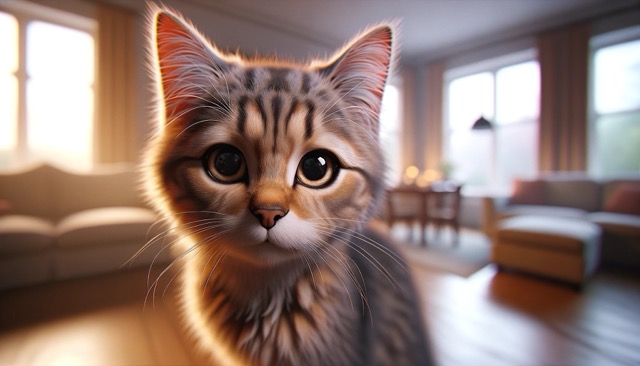
Protecting Kittens from Viral Diarrhea
One of the most prevalent causes of diarrhea in kittens is viral infections – and these are particularly critical right after nutritional weaning.
Nutritional weaning, the transition from mother’s milk to solid food, marks a vulnerable phase where their immune systems are still developing, making them more susceptible to pathogens. And in this scenario, the significance of viruses cannot be overstated.
There are plenty of potential culprits there. I have read studies and reports on astroviruses, noroviruses, and rotaviruses causing diarrhea in kittens. However, the primary culprit to remember is a parvovirus. It leads to feline panleukopenia, which should always be seen as a dreaded threat.
It is a severe disease affecting the rapidly dividing cells in the intestines, bone marrow, and lymph tissues, leading to a weakened immune system and gastrointestinal distress in kittens. It’s particularly dangerous right after weaning due to the kittens’ developing immune systems and can often be fatal.
Prevention takes center stage in this context. And here, vaccination is the crucial first step.
And I think this is an important reminder today. Because I often encounter a dangerous misconception: the belief that cat vaccinations are optional, relics of a bygone era with no current relevance. And this couldn’t be further from the truth.
Recent studies I’ve been reading recently on diarrhea in kittens in animal shelters, paint a starkly different picture. While the context may vary, the message is clear – feline panleukopenia remains a predominant cause of diarrhea in kittens, and tragically, it’s also the leading cause of fatal diarrhea. Dismissing the importance of vaccinations not only overlooks current realities but also puts the lives of countless kittens at risk.
Good news is: that vaccination guidelines are clear in kittens and should be a priority discussion with your veterinarian.
And for breeding catteries and animal shelters, on top of that, there’s an added layer of responsibility: what we refer to as sanitary prophylaxis. This involves maintaining a clean environment to prevent the spread of diseases, especially crucial for the panleukopenia virus, known for its resilience in various conditions.
Implementing a rigorous cleaning and disinfection protocol is vital to control the spread of this virus, ensuring the health and safety of all kittens in these settings.
The Protozoan Threat: Key Strategies Against Diarrhea in Kittens
When I discuss intestinal parasites and diarrhea in kittens, many people immediately think of worms like roundworms for instance. However, the most common culprits are protozoa – single-celled organisms that can wreak havoc in a kitten’s digestive system.
[There are three key protozoan parasites to be aware of: Coccidia, Giardia, and Tritrichomonas.
Coccidia are tiny parasites that can cause severe diarrhea, particularly in young kittens whose immune systems are still developing. Giardia, another protozoan, leads to distinctive, foul-smelling diarrhea and can be challenging to eradicate. Tritrichomonas, less commonly known, also causes diarrhea and can be particularly difficult to treat.
These parasites are significant causes of diarrhea in kittens due to their still-developing immune systems. Here again, medical prevention through regular deworming is crucial.
Veterinary parasitology groups recommend routine deworming of kittens starting from 2 weeks of age, every two weeks until 4–8 weeks, and then monthly preventives thereafter. They also advise regular fecal examinations, keeping cats indoors to reduce exposure to parasites, feeding cooked diets, and prompt removal of cat feces from the environment.
Despite these clear and simple guidelines though, studies show they are often not followed, posing a risk to kitten health. I believe that adherence to these recommendations is vital for the well-being of your kitten.
And once again, in breeding catteries and animal shelters, sanitary prophylaxis is essential in the fight against those pathogens. Coccidia and Giardia cysts are incredibly resilient in the environment. One critical step then? The kitten’s litter box hygiene!
One effective tool in combating an outbreak in these structures is the use of a steam cleaner, which can rupture these resistant cysts.
Feeding Right: Balancing Your Kitten’s Digestive Health
And when tackling diarrhea in kittens, one of the first places to look as well… is their diet! Did they consume something they shouldn’t have, like dairy or human food? Or is it a reaction to a new kitten food brand because food transition was not properly managed?
It is a fact: dietary changes can easily disrupt a kitten’s sensitive digestive system. Therefore, monitoring their diet closely – what they eat, how they eat it, and how much they consume – is crucial for optimizing their digestive health.
When considering ‘what’ to feed, choose a diet specifically formulated for kittens, focusing on digestive health. This is in my opinion paramount, as it can make a very big difference.
There’s growing interest in the kitten microbiome and its role in gastrointestinal health. And some studies I have read recently suggest that mixed feeding – combining both wet and dry food – can promote a healthier, more diverse microbiome… which I believe is always a plus!
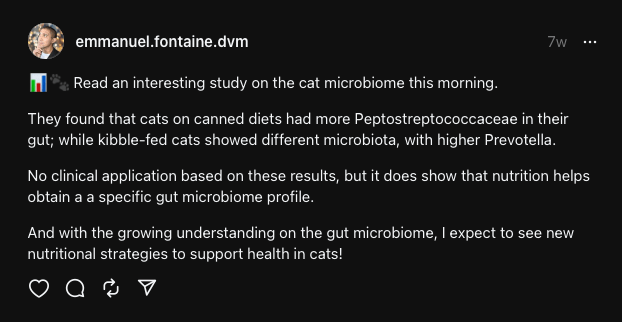
I therefore do encourage mixed feeding in kittens. However, when doing so, remember to serve wet and dry food in separate bowls. Dry kibbles can stay out for 24 hours, but wet food should only be left out for 2 hours to avoid bacterial contamination!
And if you’re transitioning your kitten to a new diet, do it GRADUALLY. That’s the key word to remember! Sudden dietary changes can cause diarrhea, as a kitten’s digestive system needs time to adjust. A transition period of at least a week is recommended to avoid rushing and causing digestive upset.

Environmental Stressors: The Overlooked Factor
The saying “cats thrive on familiarity and routine” holds profound truth, especially when it comes to kittens. Ever since I heard it, I keep repeating it to people as often as possible!
These young felines are indeed particularly susceptible to stress, which can have a cascade of negative effects, including accelerated digestive transit and a weakened immune system. Given the significant role of digestive parasites and viruses in causing diarrhea, managing stress therefore appears as a critical aspect of kitten care!
To mitigate the impact of stress, various strategies can be employed:
- Pheromone diffusers, for instance, can create a calming environment.
- When introducing a kitten to a new home, it’s essential to do it gradually, allowing them to acclimate at their own pace.
- Particular precautions are necessary when transporting a kitten, such as when taking it for a drive to the veterinarian!”
- In settings like catteries and animal shelters, controlling overpopulation is also crucial to reduce stress levels.
Another powerful tool is environmental enrichment.
Widely discussed and implemented in shelters, these techniques are now increasingly adopted by pet owners and breeders. From food puzzles that stimulate their minds to strategically placed shelves for exploration, the arrangement of a kitten’s environment plays a vital role against the adverse effects of stress.
How Can You Comfort Your Kitten at Home?

Kitten Diarrhea: Assess, Act, and Monitor
When your kitten experiences diarrhea, the first and foremost step you need to take… is to assess the situation. Use the tools we’ve discussed earlier in this blog, like the fecal score chart and pediatric growth charts for instance. And if you’re not facing severe diarrhea and there are no alarming signs (such as red/black stool colour, foul smell, or lethargy), there are actionable approaches you can implement (more about this in the next paragraph).
However, a word of caution: if you’re uncertain, always consult a veterinarian. Remember the crucial saying, especially true for kittens: “An ounce of prevention is worth a pound of cure.”
Even if the situation seems under control, vigilant monitoring is paramount.
Regularly check the litter box to track the stool’s consistency, do it at least 3-4 times a day if you can. And observe your kitten’s behaviour to ensure it remains playful and unaffected.
On my end, I typically adhere to a 24-hour rule: if there’s no improvement within the next 24 hours after implementing the measures (which again we’ll detail in the next section), it’s time to schedule an appointment with your veterinarian.
This proactive approach is essential in managing your kitten’s health and preventing any escalation of the condition.
Dietary Management in Kitten Diarrhea
When your kitten faces diarrhea, the conventional wisdom says that we should withhold food for 12-24 hours, leaving only water available… However, be aware that today, this is often debated among veterinary professionals.
The traditional approach in gastrointestinal ailments is to rest the bowel by not feeding, based on the belief that it allows the irritated bowel to recover. And this notion is increasingly being challenged.
Recent insights suggest that fasting doesn’t allow the gut to rest. Instead, it can cause intense intestinal contractions, leading to discomfort. Feeding, on the contrary, can decrease these contractions, allowing for better rest and nutrient absorption. The presence of food can also protect the mucosa from toxins.
In light of this, if your kitten’s diarrhea is mild, continuing to feed them is advisable today in my opinion. Opt for a highly digestible diet, which is formulated to support digestive health. Such diets are designed to provide the necessary nutrients without overburdening the digestive tract – check the diet’s claims, it is often mentioned!
And once you’ve chosen a nutritional solution for your kitten’s diarrhea, it’s crucial to adhere strictly to it. This means avoiding the temptation to offer treats or any additional food items on the side. Such deviations could have been the initial trigger for the digestive upset.
This focused approach ensures that your kitten’s digestive system isn’t burdened with varying types of food, which can complicate or prolong the recovery process. Remember, consistency in diet is key to restoring and maintaining your kitten’s digestive health.
Also, consider meal-feeding your kitten with small, frequent meals. This approach, though slightly different from the typical free-feeding method for cats, can be beneficial during digestive upsets. I usually start with 4 meals per day – and with this approach, I had some great success.
Wet food can be particularly useful as it typically contains fewer carbohydrates. An insult to the digestive tract can indeed impair the function of brush-border enzymes (enzymes located on the border of the intestinal cells), and those are crucial for carbohydrate digestion. By offering wet food, you reduce the carbohydrate load, easing the digestive process. Once the issue resolved, you can gradually reintroduce dry food.
Remember, nutrition is about what, how, and how much you feed, and these principles are crucial in managing gastrointestinal issues in kittens.
Probiotics and More? Smart Supplementation for Kittens with Diarrhea
When considering probiotics and other supplements for kittens with diarrhea, it’s important to understand their role and use them judiciously. Probiotics, which are beneficial bacteria, can help balance the intestinal flora. Supplements like psyllium seeds, known for their fibre content, and prebiotics, which promote healthy gut bacteria, are often touted for supporting digestive health.
Indeed, some recent studies conducted in animal shelters have highlighted the benefits of multivitamin supplements in improving the condition of kittens with diarrhea; and clinical reports mention that the use of probiotics can be advantageous in certain cases.
[However, caution is key. Nutrition is all about balance, and I’ve witnessed many instances where an excess of supplements, added to a kitten’s diet in the hope of aiding digestion, actually overstimulated the digestive system, leading to adverse effects.
My primary advice is to choose a kitten diet specifically optimized for digestive health. Look for diets that explicitly claim to support digestive wellness – this is usually a positive indicator. I also recommend mixed feeding, combining both wet and dry food, as it offers comprehensive nutritional benefits.
Once you’ve selected an appropriate diet, observe how your kitten responds to it in conjunction with the dietary management strategies previously discussed. And before introducing any supplement, it’s crucial to consult with your veterinarian. The indiscriminate or excessive use of supplements can be counterproductive.
This balanced approach, focusing on a tailored diet with careful consideration of supplements, is the strategy I advocate for managing diarrhea in kittens.
Medicating Kittens with Diarrhea? A Cautionary Tale
When it comes to medicating a kitten with diarrhea, caution is the watchword. It might be tempting to use leftover antibiotics from a previous treatment or over-the-counter human medications like electrolytes or Pepto-Bismol… but self-medicating your kitten can be risky.
The use of antibiotics is a prime example. There was a time when antibiotics were routinely prescribed for kitten diarrhea, but this is no longer the case for mild instances (and actually, even in some more serious cases!). Today, the focus has shifted to nutrition as the primary treatment. Inappropriate use of antibiotics can severely disrupt a kitten’s digestive microbiome, potentially leading to chronic gastrointestinal disorders later in life. While antibiotics may be necessary in some cases, this decision should be left to your veterinarian. In mild cases, they are generally not recommended.
This caution extends to common human medications as well. Many, including Pepto-Bismol, a popular choice in North America, and paracetamol, widely used in Europe, can be toxic to pets. These are just two examples among many; the key takeaway is to avoid self-medicating with human drugs. Always consult your veterinarian before administering any medication to your cat.
Remember, the first line of treatment for diarrhea in kittens today is a proper diet. There are specific gastrointestinal diets available for kittens, both dry and wet, that are designed to address these issues. Trust in nutrition and professional veterinary advice to guide you through treating your kitten’s diarrhea effectively and safely.
How Can You Prevent Diarrhea in Your Kitten?
The adage “an ounce of prevention is worth a pound of cure” resonates profoundly with me when it comes to managing diarrhea in kittens. Prevention is key, and by taking proactive steps, many instances of diarrhea can be averted. Let’s recap the essential preventive measures we’ve discussed.
| Consistent and Balanced Diet | – Embrace the Three Pillars of Nutrition: Remember, effective nutrition involves what you feed (choosing the right diet), how you feed it (the method of feeding), and how much you feed (appropriate portion sizes). To fully benefit from the diet you’ve chosen for your kitten, all three aspects must be considered and balanced. – Choose a Digestive Health-Focused Diet: Select a kitten diet specifically formulated to support digestive health. Look for diets that make this claim clearly. When choosing, focus on the nutrients rather than just the ingredients. Nutrients are the substances in food that provide energy and materials for growth and repair (like proteins, fats, vitamins, and minerals), while ingredients are the actual items used in the food (like chicken, rice, or corn). The ingredient deck doesn’t always reflect the quality or balance of nutrients. – Opt for Mixed Feeding: Incorporate both dry and wet food options in your kitten’s diet. Mixed feeding can help promote a healthy gut microbiome, crucial for digestive health in kittens. – Steer Clear of Treats and Table Scraps: Avoid giving your kitten treats, human food, or any other dietary extras. These can often lead to digestive issues, including diarrhea, as they may disrupt the balance of their carefully tailored diet. – Be Cautious with Supplements: Refrain from adding supplements to your kitten’s diet unless specifically recommended by your veterinarian. Unnecessary supplementation can upset the nutritional balance and potentially harm your kitten’s health. – Adhere to Feeding Recommendations: Follow the guidelines for feeding quantities. Overfeeding can lead to diarrhea due to overconsumption and, over time, result in overweight or obesity issues. This is particularly detrimental during kittenhood, as it can set the stage for challenging health problems in adulthood. Proper portion control is essential for maintaining a healthy weight and preventing digestive issues. Keep in mind that there also specific feeding recommendations when it comes to mixed feeding. – Incorporate Environmental Enrichment in Feeding: Use food puzzles as a part of your kitten’s feeding routine. These not only make mealtime more engaging and mentally stimulating but also encourage physical activity. Food puzzles are an excellent way to keep your kitten active, mentally sharp, and satisfied, contributing to their overall well-being. |
| Regular Deworming and Parasite Control | – Recognize the Role of Parasites: Understand that parasites, particularly protozoa like Giardia, Coccidia, and Tritrichomonas, are common causes of diarrhea in kittens. Emphasizing parasite control is therefore essential in kitten care to prevent these frequent digestive issues. – Implement Routine Deworming: Start deworming kittens from 2 weeks of age, repeating every 2 weeks until they are 4–8 weeks old, followed by monthly preventatives. This routine is crucial in keeping parasitic infections at bay during their vulnerable early stages of life. – Monitor Deworming Effectiveness: Regularly check the effectiveness of deworming and monthly preventatives through fecal examinations. For kittens under one year, this should be done 2–4 times a year, and for cats older than one year, once or twice annually. – Advocate for Indoor Living: Keeping cats indoors helps prevent them from hunting potential intermediate hosts and reduces their exposure to environments contaminated by eggs from other infected cats. This practice significantly lowers the risk of parasitic infections. – Ensure Dietary Safety: Feed kittens only commercially prepared, cooked diets. These diets are less likely to contain parasites and are safer for your kitten’s digestive health. – Maintain Environmental Cleanliness: Prompt removal of cat feces from the environment is vital to prevent the development and spread of infectious eggs. Additionally, restrict your cat’s access to areas where children play, like sandboxes and playgrounds, to minimize the risk of parasite transmission. This is especially important in breeding catteries and animal shelters. |
| Regular Vaccination | – Understand the Threat of Feline Panleukopenia: Remember that feline panleukopenia, caused by the feline parvovirus, is a prevalent cause of diarrhea in kittens and can be fatal without prompt and aggressive medical treatment. Vaccination is the most effective way to prevent this serious disease, highlighting its importance in kitten care. – Adhere to Vaccination Schedules: Follow the recommended vaccination schedule for kittens, starting at an early age. This includes vaccines for feline panleukopenia and other common feline diseases, ensuring your kitten’s immune system is well-equipped to fight off these infections. – Consult with Your Veterinarian: Regularly discuss your kitten’s vaccination needs with your veterinarian. They can provide personalized advice based on your kitten’s health, lifestyle, and risk factors. – Keep Records of Vaccinations: Maintain an up-to-date record of all vaccinations your kitten receives. This helps in tracking their immunization status and ensures timely administration of booster shots. |
| Stress-Free Environment | – Recognize the Importance of Environmental Enrichment: Understand that environmental enrichment plays a significant role in reducing stress, which in turn can help prevent diarrhea in kittens. Stress is a known factor that can upset a kitten’s digestive system, so creating a stimulating and comfortable environment is key. – Incorporate Play and Exploration: Provide various toys, climbing structures, and hiding spots to encourage play and exploration. These activities not only keep kittens physically active but also mentally stimulated, reducing stress levels. – Introduce Food Puzzles: Use food puzzles as part of your kitten’s feeding routine. These not only make mealtime more engaging but also slow down eating, which can aid digestion and prevent stress-related overeating. – Create a Safe and Secure Space: Ensure your kitten has a quiet, cozy area where they can retreat and feel safe. This could be a soft bed in a secluded corner or a small enclosed space where they can relax undisturbed. – Regular Human Interaction: Spend quality time with your kitten daily. Gentle play, petting, and grooming can significantly reduce stress and strengthen the bond between you and your kitten. – Gradual Introduction to New Experiences: When introducing your kitten to new environments, people, or other pets, do it gradually. Allowing them to acclimate at their own pace can prevent stress and its associated digestive issues. – Monitor and Adjust: Observe your kitten’s response to different enrichment activities and make adjustments as needed. What works for one kitten might not work for another, so it’s important to tailor the environment to your kitten’s unique preferences and needs. |
| Regular Veterinary Check-Ups | – Prioritize Regular Veterinary Check-Ups: Regular visits to the veterinarian are crucial for maintaining your kitten’s health and preventing issues like diarrhea. These check-ups provide an opportunity to discuss various aspects of kitten care and address any concerns. – Follow Growth Chart Recommendations: Based on studies, it’s now advised to assess a kitten’s growth at least once a month until they are 6 months old, and then once every three months until they reach their adult size around 12 months. These assessments are vital for ensuring your kitten is growing at a healthy rate. – Utilize Pediatric Growth Charts: During veterinary visits, use pediatric growth charts to track your kitten’s growth. This tool helps in identifying any deviations from normal growth patterns early on. – Evaluate Body Condition and Overall Health: Regular check-ups are the perfect time to evaluate your kitten’s body condition score and overall health. This includes checking their weight, coat condition, and general demeanor. – Discuss Care Strategies: Use these appointments to talk about diet, environmental enrichment, parasite control, and vaccination schedules. Your veterinarian can provide tailored advice based on your kitten’s specific needs. – Proactive Health Approach: Regular veterinary visits are a proactive approach to health care. They allow for early detection and prevention of potential issues, ensuring your kitten grows into a healthy adult cat. – Understand the Long-Term Impact: Remember, the care and decisions made during kittenhood can have lifelong consequences. Ensuring your kitten receives the best possible care from the start sets the foundation for a healthy, happy life. |
As we’ve explored, managing diarrhea in kittens involves numerous considerations. However, my recent deep dive into scientific papers has reinforced that there’s much we can do to proactively prevent this common issue. While we veterinarians will continue to encounter kitten diarrhea in our practices, we are now better equipped than ever to address these cases effectively, and the future looks even more promising. Remember, being informed and proactive is key to ensuring the health and happiness of your feline companions. And on my end, I’ll continue to stay abreast of the latest in veterinary research, eagerly anticipating new advancements that will further refine our approach to these cases.

 DR. EMMANUEL FONTAINE