
🇫🇷 Lire en Français | 🇪🇸Leer en Español | 🇧🇷Leia em português
Frequentemente recebo perguntas sobre diarreia em gatinhos… mas a preocupação se intensifica quando aparece sangue nas fezes. Encontrar sangue nas fezes de um gatinho é algo que muitos tutores de pets, criadores de gatos e abrigos de animais compartilham – particularmente durante os períodos críticos de desmame e pediátrico, até os 12 meses de idade. Tais observações podem ser alarmantes, causando preocupação imediata sobre a saúde e o bem-estar desses jovens felinos. E para ser justo, as causas de sangue nas fezes de gatinhos podem variar de leves a graves. Entender a raiz deste sintoma preocupante é crucial, porém muitas vezes complexo. Portanto, este blog tem como objetivo oferecer insights sobre as perguntas que você deve fazer e os passos a seguir em várias situações. Seja você um tutor com um gatinho amado, um criador de gatos administrando várias ninhadas, ou trabalhando em um abrigo de animais, isto vai ajudá-lo a navegar pelas considerações essenciais e ações para garantir a saúde e segurança desses felinos vulneráveis.
- What Does Blood in Your Kitten’s Stool Signal?
- What Causes Bloody Diarrhea in Kittens?
- Bloody Diarrhea in Kittens: How to Reach a Diagnosis?
- How Can You Shield Your Kitten from Gastrointestinal Troubles?
What Does Blood in Your Kitten’s Stool Signal?
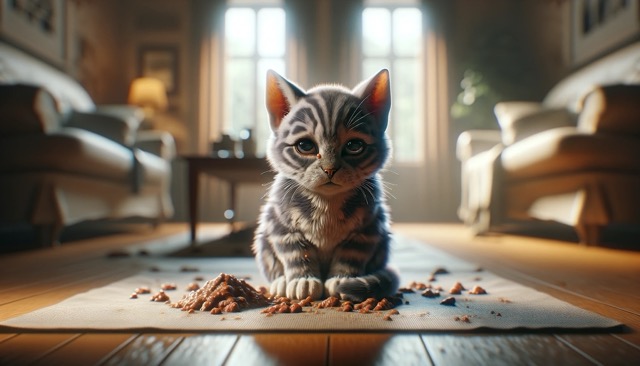
Typically, a healthy kitten’s stool should be firm and brown.
And one thing you must remember:
When you observe blood in a kitten’s stools, it’s a clear sign that something is amiss in their digestive tract. Anytime.
There is obviously much more behind that!
Hurdles of Weaning and Early Pediatric Phases
Blood in the stools is often accompanied by diarrhea.
And diarrhea in kittens is a relatively common occurrence, particularly during the pivotal weaning period when they make the significant dietary shift from their mother’s milk to solid food.
This transition is not merely a change in diet but a critical phase in a kitten’s development, fraught with potential health challenges that can manifest in the form of gastrointestinal disturbances such as diarrhea.
Indeed, the weaning period marks a time of significant physiological changes in a kitten.
During this phase, their digestive system, which was previously accustomed to easily digestible mother’s milk, is now confronted with processing more complex solid foods.
This adjustment period can strain an immature digestive system, predisposing these young felines to episodes of diarrhea. The situation is compounded by the fact that, alongside their digestive system, kittens’ immune systems are also in a formative stage of development.
The vulnerability of kittens to diarrhea during the weaning period is further explained by the immaturity of their immune system.
As they navigate through the first few months of life, the protective maternal antibodies they received through their mother’s first milk (aka colostrum) begin to wane, and their bodies must start to rely on their developing immune defences.
This transitional phase, often referred to as the ‘immunity gap,’ leaves kittens more susceptible to infections and gastrointestinal issues.
On top of that, an often-overlooked but vital aspect of this transition period is the development of the kitten’s gut microbiome.
The gut microbiome consists of trillions of microorganisms, including bacteria, viruses, and fungi, that reside in the digestive tract.
These microbial communities play a multitude of roles in health and disease, from aiding digestion and producing essential vitamins to training the immune system to recognize and fight off pathogens.
The establishment and maturation of a balanced gut microbiome are crucial for developing a healthy immune response, not just in kittens but across all mammals.
Recent advances in human and veterinary medicine have shed light on the profound impact the gut microbiome has on overall health, emphasizing its role in immune system development, metabolic processes, and even mental health!
Because of all that, diarrhea in kittens is also a problem encountered during their early pediatric period.
In kittens, it extends from the end of weaning until they reach their full adult size, which occurs around 12 months of age for most breeds. However, for larger breeds like Maine Coons, this developmental period can extend up to 15 months.
It’s during this extended pediatric phase that kittens’ bodies gradually mature, their digestive and immune systems strengthen, and their microbiome stabilizes, reducing their susceptibility to issues like diarrhea.
It’s VERY important to note that while diarrhea can be a common symptom during these developmental phases, the presence of blood within the stool is always abnormal… and can sometimes be a serious concern!
Identifying the Type of Blood

When observing blood in a kitten’s stool, the first noticeable characteristic is often the colour.
Bright red filaments or spots in the stool, possibly accompanying diarrhea, point to fresh blood, a condition known in medical terms as hematochezia.
This fresh blood is indicative of bleeding in the lower sections of the digestive tract, such as the colon or rectum.
In contrast, stools that appear dark and tarry signal the presence of digested blood, a condition termed melena.
This type of stool suggests that the bleeding originated higher up in the digestive system, possibly in the stomach or small intestine, where the blood has had time to be broken down by digestive enzymes, changing its colour and consistency.
Understanding the difference between hematochezia and melena is crucial for veterinarians as it helps narrow down the possible locations of the gastrointestinal insult. This distinction is not merely academic; it has practical implications for diagnosis and treatment.
Hematochezia, with its bright red blood, might point to conditions such as colitis, anal gland issues, or even trauma to the lower digestive tract. On the other hand, melena could indicate more serious conditions such as ulcers or certain types of infections or infestations higher up in the digestive system.
And once again, you must remember that the presence of blood in a kitten’s stools is ALWAYS an abnormal and concerning sign.
While not every instance will indicate a life-threatening emergency, any occurrence of bloody stools warrants veterinary attention. Early intervention can be crucial, especially in young animals whose health can deteriorate rapidly if underlying conditions are left untreated.
Assessing the severity of the problem
When faced with the distressing sight of blood in a kitten’s stool, the immediate question that comes to mind is the severity of the issue at hand.
Is this an urgent situation that necessitates an immediate rush to the emergency room, or is it something that can be monitored for a short period before seeking veterinary advice?
The fundamental rule of thumb in such scenarios is to err on the side of caution.
If there’s any doubt or lingering concern about your kitten’s health, the best course of action is to consult with your veterinarian. They are best equipped to gauge the severity of the situation and provide the necessary guidance.
Often, the decision to seek immediate care hinges on several key factors that can give you and your veterinarian valuable insights into the underlying issue.
One such factor is the consistency of the stool, which can be a telling indicator of the severity of the gastrointestinal problem.

Veterinarians like me love charts, and we have tools like fecal score charts to objectively assess stool consistency – until AI-powered tools become capable of analyzing a picture and providing us with the score and its interpretation (as a heads-up, as of this writing, Chat-GPT does not have this capability…).
Scores in the range of 4-5 suggest (when using the one I shared in the link above) a significant concern.
I find that such charts are invaluable in making an informed decision about whether a veterinary consultation is warranted.
| 👉🏽Here’s the feline fecal score chart I recommend for kittens. |
Equally telling is the smell of the stool.
While stool is inherently not pleasant smelling, a particularly foul smell can indicate something far more sinister than simple digestive upset.
An extremely bad smell can signal necrosis, or the death of intestinal tissue, a condition that requires immediate medical attention.
Necrosis occurs when tissue dies due to lack of blood supply, infection, or other underlying conditions, and in the intestine, this can lead to severe infections and a host of other complications if not promptly addressed.
Beyond these specific indicators, the overall clinical picture of the kitten’s health plays a critical role in determining the need for emergency care.
Symptoms such as vomiting, lethargy, or a noticeable decline in the kitten’s usual energy levels and behaviour patterns are significant red flags.
These signs suggest that the kitten’s body is under considerable stress, potentially from a severe underlying health issue that could rapidly worsen without timely intervention.
In such cases, an emergency consultation is not just warranted—it’s imperative.
The stakes are high, as young kittens are particularly vulnerable to rapid deterioration when faced with severe health challenges. Their bodies, still in the developmental stage, may not have the resilience of adult cats to withstand prolonged illness without swift medical intervention.
What Causes Bloody Diarrhea in Kittens?
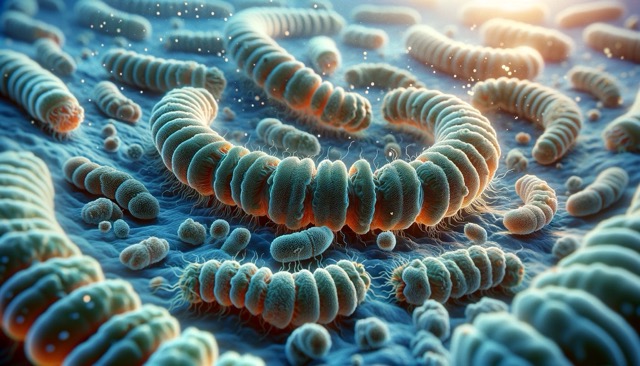
In the world of kittens, the unsettling symptom of bloody diarrhea can typically be traced back to three primary culprits, with a fourth, often overlooked, factor adding to the complexity.
Understanding these key factors is essential in navigating the path to recovery and ensuring the well-being of our feline companions.
Viral Infections
Firstly, infections stand at the forefront, with viral infections being the most prevalent assailants.
These invisible invaders wreak havoc on a kitten’s delicate system, leading the charge in causing distressing gastrointestinal symptoms. There are PLENTY of viruses that can lead to bloody diarrhea in kittens, in the table below though you will find the most common ones to have in mind in my opinion.
| Feline Panleukopenia | A highly contagious viral disease that attacks rapidly dividing cells in a kitten’s body, such as those in the intestinal lining, leading to severe bloody diarrhea due to the destruction of these cells. |
| Canine Parvovirus | Although primarily known to affect dogs, this virus can cause severe intestinal damage in cats too, leading to bloody diarrhea through the destruction of the intestinal lining and impairment of nutrient absorption. |
| Feline Leukemia Virus | This retrovirus weakens a kitten’s immune system, making them more susceptible to secondary infections that can disrupt the gastrointestinal tract and result in bloody diarrhea. This is something we will typically consider in cases of bloody diarrhea that are refractory to the basic treatments. |
| Feline Immunodeficiency Virus | Similar to Feline Leukemia Virus, FIV compromises a cat’s immune defense, paving the way for secondary infections that can cause gastrointestinal issues, including bloody diarrhea. This is something we will typically consider in cases of bloody diarrhea that are refractory to the basic treatments. |
| Feline Infectious Peritonitis Virus | While primarily causing inflammation in various organs, certain strains can affect the intestines, leading to bloody diarrhea as a result of severe inflammation and damage to the intestinal walls. |
Digestive Parasites
Next in line are digestive parasites, a category that includes both worms and, more notably, protozoa.
Protozoa are single-celled organisms that may seem inconsequential due to their size but are mighty in their impact.
These microscopic parasites thrive in the intestines, disrupting the normal digestive process and often resulting in bloody stools.
I find that digestive parasites are a common yet often underestimated threat to kitten health.
It’s a misconception that worms must be visible in the stools to confirm an infestation; in reality, seeing worms typically indicates a severe infestation. Protozoa, being single-celled organisms, remain unseen to the naked eye, silently wreaking havoc.
Alarmingly, I remember reading somewhere that about 70% of kittens don’t receive any kind of preventive treatment against these stealthy invaders… despite the persistent presence of these pathogens in our environment.
Their eggs, remarkably resilient, along with a reproductive cycle finely tuned to our domestic felines, make eradication a daunting task, emphasizing the critical need for vigilance in kitten care.
| Roundworms | These worms can irritate or block the intestines, leading to malnutrition and bloody diarrhea in kittens. |
| Hookworm (Ancylostoma) | Hookworms latch onto the intestinal walls, causing bleeding and leading to bloody stools in affected kittens. |
| Whipworm (Trichuris) | Whipworms embed in the large intestine, causing irritation and bleeding that can manifest as bloody diarrhea. |
| Giardia | This protozoan parasite disrupts the normal function of the intestinal lining, causing malabsorption and bloody diarrhea. |
| Coccidia | Coccidia infection in kittens is caused by tiny, single-celled parasites that invade the intestinal lining, leading to inflammation, and damage, and often resulting in bloody stools as the delicate tissues become irritated and bleed. |
| Cryptosporidium | A microscopic parasite that causes inflammation and damage to the intestinal lining, resulting in watery and sometimes bloody diarrhea. |
| Toxoplasmosis | Caused by the Toxoplasma gondii parasite, it can lead to a variety of gastrointestinal issues, including bloody diarrhea, when it infects kittens. |
| Tritrichomonas | This protozoan parasite infects the colon, leading to a condition known as feline trichomoniasis, which can cause bloody and mucoid diarrhea. |
Nutritional Causes
Nutrition also plays a pivotal role in the health of a kitten’s digestive system.
As mentioned earlier, the transition from mother’s milk to solid food is a delicate one, and dietary missteps during this critical period can lead to diarrhea – that eventually contains blood.
But there are PLENTY of other nutritional mistakes that can actually lead to the same symptoms.
| Intestinal overload from overeating | I often hear that kittens will regulate themselves… I cant tell you: it is NOT often the case! Overeating can stretch the intestines beyond their capacity, leading to inflammation and potentially bloody diarrhea as the digestive system struggles to cope. |
| Ingestion of rancid or spoiled foodstuffs or scavenging of decomposing garbage | Consuming spoiled food can introduce harmful bacteria and toxins into a kitten’s system, causing severe gastrointestinal upset and bloody diarrhea. Ingestion of indigestible and abrasive foreign material (bones, wood, cloth, thread, sewing needles…). These materials can physically damage the lining of the digestive tract, leading to cuts, inflammation, and bloody stools as the body attempts to pass these objects. |
| Intolerance of lactose ingested as milk | Do not trust the cartoons on this one, after weaning, MANY kittens become somehow lactose intolerant! Kittens lacking sufficient lactase enzyme can’t properly digest lactose in milk, leading to fermentation in the intestines, irritation, and potentially bloody diarrhea. |
Environmental Toxins
Hidden dangers in common plants and substances are an often overlooked risk.
Many common household plants, while seemingly benign, contain toxic substances that can be harmful if ingested by curious kittens, contributing to the risk of bloody diarrhea.
| Asparagus Fern | Contains sapogenins that can cause gastrointestinal irritation and potentially bloody diarrhea if ingested by kittens. |
| Sago Palm | Highly toxic, containing cycasin which can lead to liver failure and gastrointestinal bleeding, resulting in bloody stools. |
| Tulips and Hyacinths | Contain allergenic lactones that can cause intense gastrointestinal upset, leading to bloody diarrhea in kittens. |
| Azalea | Contains grayanotoxins that can disrupt cellular function and lead to vomiting, diarrhea, and potentially bloody stools due to gastrointestinal distress. |
| Daffodil | Contains lycorine and other toxic alkaloids that can cause severe gastrointestinal upset, including bloody diarrhea, when ingested. |
| Kalanchoe | Contains cardiac glycosides that can lead to vomiting, diarrhea, and in severe cases, bloody diarrhea due to gastrointestinal irritation. |
Self-medicating kittens, particularly with human medications, poses grave risks and can lead to serious intoxication, manifesting as bloody diarrhea among other critical symptoms.
Always consult a veterinarian before administering any medication to ensure the safety and well-being of your feline companion. Remember, what heals humans can harm kittens.
| Aspirin | Can cause gastrointestinal ulcers and bleeding in kittens due to its anti-coagulant properties, leading to bloody stools. |
| Paracetamol (Acetaminophen) | Highly toxic to cats, leading to methemoglobinemia and liver damage, which can cause bloody diarrhea among other severe symptoms. |
Bloody Diarrhea in Kittens: How to Reach a Diagnosis?

Identifying the Culprit: Key to Effective Treatment
As highlighted earlier, the array of potential causes behind bloody diarrhea in kittens is vast, underscoring the critical need to pinpoint the exact culprit for effective treatment.
For instance, Giardia infections call for a targeted approach with fenbendazole, a drug specifically effective against this protozoan parasite. Conversely, when dealing with Tritrichomonas, ronidazole stands as the sole medical defence currently available.
These examples illuminate a fundamental principle in veterinary care: accurate diagnosis is paramount.
Understanding what we are combating is the first step toward selecting the most appropriate treatment.
This becomes even more crucial when addressing bloody diarrhea in kittens in my opinion.
Navigating the Diagnostic Maze: Tools for Kitten Wellness
Veterinarians have a variety of diagnostic tools at their disposal to determine the cause of bloody diarrhea in kittens, each offering unique insights:
| Fecal Flotation Test | This common test involves mixing a stool sample with a solution that causes eggs and cysts of parasites to float to the surface. It’s particularly useful for identifying common parasites like roundworms, hookworms, and sometimes even protozoan cysts. |
| In-Clinic Tests | These rapid tests can detect several conditions directly from a blood sample or feces within minutes. For example, SNAP tests can be used for feline panleukopenia and giardia. Interestingly, the test kit used for feline panleukopenia is often designed for canine parvovirus… but it can also be utilized in kittens due to the similarities in the viruses. Additionally, other in-clinic tests can screen for Feline Leukemia Virus (FeLV) and Feline Immunodeficiency Virus (FIV), which can indirectly lead to bloody diarrhea by compromising the kitten’s immune system. |
| PCR Panels | Polymerase Chain Reaction (PCR) tests are highly sensitive and can detect the DNA or RNA of a wide array of pathogens, from viruses and bacteria to protozoa and even some worm-types of digestive parasites. This makes PCR panels incredibly versatile and powerful in identifying the specific cause of bloody diarrhea, especially when common culprits are not found through other tests. |
| Dysbiosis Index | This relatively new test assesses the balance of bacterial populations in the gut, providing a ‘dysbiosis index’ that can indicate imbalances in the kitten’s gut microbiome associated with various gastrointestinal diseases. It’s particularly helpful in more complex cases where traditional tests might not pinpoint the problem. |
| Imaging (Ultrasounds, X-rays) | These imaging techniques are invaluable for visualizing the internal structures of kittens. Ultrasounds can detect abnormalities in organ structure and function (as well as linear foreign bodies like needle threads), while X-rays are excellent for identifying foreign bodies (like bones or other ingested materials) that might be causing a blockage or irritation leading to bloody diarrhea. |
Decoding the Diagnosis: The Art of Interpreting Test Results

The true art lies not just in conducting various tests but in the nuanced interpretation of their results.
It’s a critical reminder for pet owners that the value of a test result hinges on the expertise and insight with which it is analyzed.
This distinction is paramount, as not all positive results point directly to a problem, nor do all negatives provide a clean bill of health.
Take, for instance, the bacteria known as Clostridium.
In a recent webinar I watched, experts delved into the complexities surrounding a positive PCR test for Clostridium.
This bacterium is a common inhabitant of the intestinal tract, and its mere presence doesn’t necessarily spell trouble.
The conundrum here is whether to consider such a positive result as indicative of a problem.
It’s a nuanced decision that requires a deep understanding of the context, the overall health of the kitten, and the presence of other symptoms.
Similarly, the feline enteric coronavirus presents another illustrative example.
This virus is widespread among cats and kittens, many of whom may carry the virus without showing any signs of illness. Thus, a positive PCR panel for this virus doesn’t automatically translate to “this virus is causing the diarrhea” (and certainly NOT that this is a case of Feline Infectious Peritonitis)!
Here again, the importance of a veterinarian’s interpretive skills comes to the fore, ensuring that test results are weighed against clinical signs and the kitten’s overall health picture.
The challenge of interpretation extends to fecal flotation tests as well.
A negative result might not necessarily mean the kitten is free from parasites.
The shedding of parasite eggs can be intermittent, which means the test might have been conducted during a period of non-excretion.
This variability underscores the necessity of a discerning veterinary eye to understand what a negative result may truly signify.
In my work with cat breeders, especially when an entire litter is affected, the strategy often involves what is termed pooled PCR and fecal tests.
By combining stool samples from multiple kittens, the aim shifts from individual diagnoses to a broader understanding of the health status within the cattery.
This approach doesn’t seek to pinpoint which kitten is affected but rather to identify any pathogens that might be present in the environment affecting the group.
It’s a pragmatic solution that, while not ideal for individual diagnostics, provides invaluable insights for managing collective health.
How Can You Shield Your Kitten from Gastrointestinal Troubles?

While I did not want this discussion to delve into specific treatments for bloody diarrhea in kittens—given the critical importance of identifying the underlying cause first—the timeless adage “an ounce of prevention is worth a pound of cure” holds especially true in the realm of kitten care.
There are indeed proactive steps that can be taken to mitigate the risk of this distressing condition.
More in-depth recommendations on these aspects can be found in my previous blog:
What To Do if My Kitten Has Diarrhea: Essential Care Tips
Medical Prophylaxis
Medical prophylaxis for kittens involves preventive measures and treatments, such as vaccinations and parasite control, to protect them from diseases and health issues before they occur.
| Vaccinations | Ensure your kitten is vaccinated against common viral causes of diarrhea, such as feline panleukopenia. Vaccinations are a critical first line of defense in preventing viral gastrointestinal diseases. If you are interested in knowing the current recommended vaccination guidelines for kittens, you can find them there! |
| Regular Deworming | Start deworming your kitten from 2 weeks of age, continuing every two weeks until 8 weeks, and then monthly thereafter. Regular fecal examinations are also recommended to keep parasitic infections at bay. Current recommendations in this regard can be found here as well. |
| Prompt Veterinary Care | Be vigilant about unusual symptoms accompanying diarrhea, such as lethargy or vomiting. Early veterinary intervention can prevent more serious complications. I think regular veterinary care during the pediatric period is key as well in kittens, and this has actually been revisited – check my blog here on this aspect! |
Sanitary Prophylaxis
Sanitary prophylaxis for kittens involves maintaining a clean and safe environment, including regular disinfection and minimizing exposure to harmful substances, to prevent infections and promote overall health.
| Maintain Sanitation | Keep your kitten’s living environment, especially the litter box, clean to prevent the spread of infectious agents. Regular cleaning and disinfection are key. |
| Control Overpopulation | In multi-cat environments, controlling the number of cats can reduce stress and the spread of infections. Stress management is also crucial in preventing gastrointestinal issues. |
| Environmental Enrichment | Reduce stress through environmental enrichment, such as providing toys and safe spaces for your kitten to explore. Stress can negatively impact gastrointestinal health. |
| 👉🏽Choosing the right disinfectant is paramount for kitten care, and today I recommend using Accelerated Hydrogen Peroxides (AHPs). They have become the standard in both human and veterinary medicine and are always my first choice for effective and safe disinfection. This is the product I recommend. |
Nutrition
| Dietary Management | Feed your kitten a balanced diet formulated for their specific needs. Sudden changes in diet can lead to digestive upset, so any dietary transitions should be gradual. |
| Mixed Feeding | Consider a mixed feeding approach, combining wet and dry food, to promote a healthier gut microbiome. Ensure wet food is not left out for more than 2 hours to prevent bacterial growth. |
| Avoid Human Food | Human food and dairy products can disrupt a kitten’s digestive system. Stick to kitten-specific diets to maintain optimal digestive health. |
| 👉🏽I always recommend mixed feeding for kittens. Here are the dry diets I suggest for up to 4 months and 4–12 months, and the wet diets for up to 4 months and 4–12 months. These are also available through a professional program. Learn more about options in the USA and Canada. |
Crafting this blog has been an enlightening journey for me! It underscored the complexity of diagnosing bloody diarrhea in kittens, and the multitude of potential causes highlights the indispensable role of a veterinarian’s expertise in pinpointing the precise issue. Reflecting on the number of those cases I encountered over the years, I am certain that many could have been averted with the right preventive measures. Hopefully, this blog encapsulates those strategies! I hope that in these lines, you will find the keys to avert those feline woes – and in doing so, watch as your kitten’s health glows!

 DR. EMMANUEL FONTAINE