
🇫🇷 Lire en Français | 🇪🇸Leer en Español | 🇧🇷Leia em português
After sharing my guide on feeding newborn puppies last week, I realized many of you might need help with kitten care too! Feeding newborn kittens can feel like a daunting task, but it’s one of the most rewarding experiences for any caregiver. Whether you’re caring for orphaned kittens or supporting a queen who can’t nurse, knowing the proper feeding techniques during the neonatal period – those crucial first 3-4 weeks of life – is essential. In this guide, we’ll walk you through everything from choosing the right kitten formula to mastering bottle-feeding like a pro.
- Understanding the Nutritional Needs of Newborn Kittens
- Choosing the Right Kitten Formula
- How to Bottle-Feed Newborn Kittens
- Feeding Schedule for Newborn Kittens
- Recognizing and Addressing Feeding Problems
Understanding the Nutritional Needs of Newborn Kittens

When I first started caring for newborn kittens, I’ll admit, I thought a little milk and some cuddles would be enough. Boy, was I wrong. These tiny bundles of fluff are more delicate than they look, and their nutritional needs are incredibly specific. It’s not just about feeding them—it’s about feeding them right. Let me walk you through what I’ve learned, sometimes the hard way, about meeting their unique needs.
Colostrum: The First, Most Important Meal for Kittens
The first 24 hours after birth are absolutely critical for newborn kittens. I’ve learned through years of working with cats that this tiny window of time can literally make or break a kitten’s future health. During this period, kittens need colostrum – that special first milk produced by mama cats – and they need it fast.
Here’s something that shocked me when I first learned it: newborn kittens only have about 12-16 hours to get the maximum benefit from colostrum. After that, their tiny bodies start losing the ability to absorb those crucial antibodies. It’s like nature set up this incredibly precise countdown timer!
But colostrum isn’t just about immunity (though that’s super important). Think of it as a complete starter pack for life! It is the perfect first meal. Plus, it’s packed with growth factors and digestive enzymes that help get their little systems up and running.
Fun fact that blew my mind: Only about 10% of maternal antibodies cross the placenta in cats. That means a whopping 90% of a kitten’s early immunity comes from colostrum! No wonder my mentor always stressed how crucial those first feeds are.
Here’s what makes colostrum such a powerhouse:
- Immediate immune protection through antibodies (immunoglobulins)
- Probiotics that help establish healthy gut bacteria
- Bioactive compounds that jumpstart organ development
- Special proteins called lactoferrin that fight off bad bacteria
- Compounds that help them pass their first poop (meconium)
When mother’s colostrum isn’t available, we’ve got some backup options.
| Adult Cat Serum | Description: Serum extracted from healthy, vaccinated adult cats Advantages: • Contains species-specific antibodies • Can provide passive immunity • More available than stored colostrum Disadvantages: • Risk of subcutaneous necrosis • Complex administration process • Limited availability Important Notes: • Must be administered by a veterinarian • Dosage: 1.5 mL/100g • Should only be used when no other options exist • Donor cats must be thoroughly screened |
| Colostrum Bank (Veterinary Setting Only) | Description: Stored colostrum collected from other queens Advantages: • Contains all natural components • Species-specific immunity • Most similar to natural colostrum Disadvantages: • Extremely limited availability • Requires special collection and storage • Complex logistics • Rarely practiced even in vet settings Important Notes: • Storage at -20°C (-4°F) • Must be warmed to 32°C (90°F) before use • Theoretical concept rarely implemented • Requires donor screening and proper collection timing |
| Commercial Milk Replacer | Description: Specialized formula for ongoing nutrition Advantages: • Readily available • Consistent quality • Easy to use • Good for long-term feeding Disadvantages: • No immune benefits • Cannot replace colostrum • Only provides nutrition Important Notes: • Not a true colostrum alternative • |
| 👉🏽 For detailed instructions on setting up and maintaining a colostrum bank, you can download my protocol here. |
One of the coolest things I’ve learned recently is how colostrum‘s benefits extend way beyond those first few days. Research shows that kittens who get proper colostrum often have better immune responses and healthier digestive systems even as adults. It’s like their bodies remember that first perfect meal!
Feeding Frequency and Technique
Here’s where I initially messed up: the frequency.
Newborn kittens need to eat every 2–3 hours, even at night. Skipping feedings isn’t an option, especially during those first fragile days. I can’t tell you how many bleary-eyed nights I spent setting alarms, but it’s worth it when you see them thrive.
To make it easier, here’s what I recommend for feeding schedules based on their age:
| 1st week of life | 7 meals per day (yes, that’s basically every 3 hours). |
| 2nd week of life | 6 meals per day. |
| 3rd week of life | 5 meals per day. |
| 4th week of life | 5 meals per day (spaced further apart as they grow). |
Let’s break this down based on what I’ve learned:
Bottle Feeding vs. Tube Feeding: When to Use What
- Bottle Feeding: This is ideal for kittens with a strong sucking and swallowing reflex. Make sure the nipple size fits the kitten’s mouth and vigor. Miracle Nipples® are highly recommended for this purpose, as they’re soft and mimic the natural nursing experience. Always hold the kitten in a belly-down position—never on their back, as this can cause milk to enter their lungs and lead to aspiration pneumonia.
- Tube Feeding: If a kitten cannot suckle (due to prematurity, weakness, or illness), tube feeding is a safer alternative. Use a soft, flexible tube (2–3 mm diameter, like a human neonatal nasogastric tube). Measure the tube length carefully—from the nose to the last rib—to ensure proper placement. Warm the milk replacer to 35–38°C (95–100°F) before feeding and deliver it slowly to avoid overfilling the stomach.
Avoid Syringe Feeding for Newborns
I was surprised to learn recently that syringe feeding, while it might seem convenient, i’s not recommended for kittens younger than 8 days. At this stage, they lack a gag reflex (meaning they cannot effectively clear their throats if liquid or food enters the wrong way), which significantly increases the risk of aspiration.
If syringe feeding becomes necessary (e.g., during the transition to dish feeding), use an appropriately sized syringe and deliver milk drop by drop. Always ensure the kitten is in a natural, comfortable position and avoid force-feeding.
Responsive Feeding for Kittens
Borrowed from human neonatal care, responsive feeding is a method where you observe and respond to a kitten’s hunger and satiety cues instead of strictly adhering to a schedule.
This approach can lead to healthier kittens and better emotional development. Look for hunger signals like rooting (searching for a nipple), restlessness, or mouthing.
Crying is a late sign of hunger, so try to act before it gets to that point.
When kittens are full, they’ll stop suckling, turn their heads away, or fall asleep—signs that it’s time to pause.
Split Suckling for Larger Litters
In larger litters, smaller or weaker kittens might struggle to get their share of milk.
Split suckling is a clever solution: temporarily remove the stronger siblings to give the weaker ones uninterrupted access to the queen’s teats.
| 👉🏽 To implement this technique effectively, you can download my detailed protocol here. |
You can also manually position these smaller kittens near the most productive teats, ensuring they receive the vital colostrum in those early hours.

I am on a mission to learn everything about dog and cat breeding. Sign up to my newsletter to follow my journey, and receive exclusive content and offers!
Tracking Weight and Growth
Weight monitoring is the cornerstone of assessing a kitten’s health during those critical early days. I always start by recording their birth weight, which is surprisingly telling.
Did you know kittens born 25% lighter than their littermates or breed averages face a significantly higher risk of mortality? Low birth weight neonates are fragile, and for puppies, studies show mortality rates jump dramatically—from 4.2% in normal birth weight pups to a staggering 55.3% in very low birth weight pups. It’s clear that early weight tracking isn’t just a routine; it’s a lifesaving practice.
Daily weighing has been my non-negotiable habit.
I use a small digital scale and document each kitten’s progress religiously. Ideally, a healthy kitten gains weight daily, and consistent tracking helps me detect potential issues before they escalate.
| 👉🏽 I recommend starting with kitchen scales (like this one), but for serious accuracy, consider this lab-grade scale, perfect for tracking puppy weights up to 5kg. |
For example, if there’s no weight gain—or worse, weight loss—between birth and Day 2, that’s a huge red flag. At that point, it’s time to reassess their feeding plan and, in some cases, consult the vet.
And here’s what I’m really excited about: kitten neonatal growth charts.
These charts are a game-changer, modeled after the WHO pediatric growth charts we use for humans. They allow for precise tracking of weight gain in kittens, including breed-specific variations, which makes them invaluable during the neonatal period.
What’s fascinating is that these charts also highlight another critical factor—excessive weight gain. While weight loss is a well-known problem, I’ve come to appreciate that gaining too much weight too quickly can lead to joint disorders or even increase the risk of obesity later in life.
That’s why proper monitoring is about balance—not just getting them to gain, but making sure they’re growing appropriately.
If you’re caring for newborn kittens, here are a few tips to keep in mind:
- Record weight daily using a digital scale—accuracy matters!
- Use growth charts to track progress and catch deviations early.
- Look out for patterns: No weight gain or loss within the first two days is a red flag.
- Keep an eye on overfeeding; kittens need steady, proportional growth, not rapid gains.
It might seem like a lot of work, but trust me, these small daily habits are what set healthy kittens up for a strong start in life. Plus, with tools like neonatal growth charts, it’s easier than ever to keep your kittens on the emmright track.
Hydration and Supplemental Care
Kittens are tiny, fragile creatures, and one of the biggest risks they face is dehydration. That’s why mixing their milk replacer correctly—with enough water—is so important. But here’s a common misconception: people often think you can check a kitten’s hydration by pinching their skin, like you would with an adult cat. Spoiler alert—it doesn’t work for kittens! Their skin elasticity isn’t reliable for assessing hydration.
So, how can you tell if a kitten is dehydrated? Moist mucous membranes are one of the most dependable indicators. If their gums are dry or feel tacky instead of moist, dehydration might be the issue. Forget about urine-specific gravity too—we used to think measuring it was helpful, with values over 1020 signaling dehydration. However, newer research has debunked that idea.
Here’s a tip that’s worked wonders for me: track the kitten’s weight. Did you know they’re made up of about 82% water? If they start losing weight unexpectedly, dehydration is likely to blame. A quick weigh-in can give you clues before things spiral out of control. I remember a kitten I once cared for who wasn’t latching well and lost weight fast. A trip to the vet for subcutaneous fluids turned things around.
In summary, keep these points in mind:
- Look for clinical signs: Dry or tacky gums are a red flag.
- Forget skin turgor: It’s unreliable in kittens.
- Monitor weight daily: Sudden drops can mean trouble.
Dehydration is scary, but when caught early and managed properly, it’s entirely fixable. Keep those scales handy and always stay one step ahead!
| 👉🏽 I recommend starting with kitchen scales (like this one), but for serious accuracy, consider this lab-grade scale, perfect for tracking puppy weights up to 5kg. |
The following table summarizes the typical rehydration methods used for newborn kittens:
| Method | Description | When to Use | Important Considerations |
| Oral Rehydration | Fluids are administered by mouth using a bottle, syringe, or orogastric tube. | Suitable for mild dehydration when the kitten is normothermic and the digestive system is functioning normally. | This is often my first choice. Avoid use in hypothermic kittens or when gut sounds are absent. Warm fluids to 30-35°C (86-95°F) before use. Use an orogastric tube for kittens with a weak or absent suckle reflex. |
| Subcutaneous Fluids | Fluids are injected under the skin, typically with a balanced electrolyte solution. | Useful for mild to moderate dehydration when intravenous access is challenging. While commonly used, it’s not my preferred method. | Balanced electrolyte solutions are ideal for mild to moderate dehydration. Always use sterile techniques. However, absorption is slower than other methods, making it unsuitable for urgent rehydration. Oral methods are better in such cases. |
| Intravenous Fluids | Fluids are delivered directly into a vein through a catheter. | Best for severe dehydration, hypovolemia, or perfusion deficits. Recommended for aggressive fluid therapy. | Can be challenging to perform in very small or severely dehydrated kittens. Requires skilled handling. |
| Intraosseous Fluids | Fluids are infused into the bone marrow using a specialized catheter. | The preferred method when IV access is not feasible. | Ensure an appropriately sized catheter is used for the kitten’s size.This procedure should be performed exclusively by a veterinarian. |
| Intraperitoneal Fluids | Fluids are infused into the abdominal cavity. | Considered only when other routes are unavailable. | Generally less effective and not preferred over IV or IO routes. |
Choosing the Right Kitten Formula

Choosing the Right Kitten Formula
When it comes to choosing the right kitten formula, it’s not as simple as grabbing the first product off the shelf. Trust me, I’ve learned this the hard way.
Kittens have specific dietary needs that just can’t be overlooked, and using the wrong formula can lead to upset stomachs (diarrhea, constipation), poor growth, or worse. Over the years, I’ve picked up a few tips (and made a few mistakes) that I’d love to share.
First things first, pick a milk replacer specifically made for kittens. This is absolutely crucial.
Commercial kitten formulas are carefully designed to mimic a queen’s milk, with the right balance of energy and lower lactose content. Homemade formulas and popular alternatives like goat’s milk or cow’s milk might seem convenient, but they fall short—big time. Kittens grow way faster than baby cows or goats, so they need much more energy. Plus, those options have higher levels of lactose, which can mess with their digestion. Higher lactose increases the “osmolality” of the milk, which draws water into their digestive tract, often causing neonatal diarrhea. No one wants to deal with that mess—or put their kitten through it.
Let’s also talk about human milk replacers. They’re not a good idea either. The nutritional composition just doesn’t support the rapid development of kittens. It’s tempting to reach for whatever’s available, but trust me, your kittens deserve better. I’m also not a big fan of homemade recipes. I’ve written a whole blog on why they aren’t ideal—feel free to check it out if you’re curious!
To really drive this point home, I’m including below a table comparing the composition of queen’s milk to other animal milk. Spoiler: you’ll see a clear difference in critical nutrients like energy and lactose.
| Cat | Cow | Goat | |
| Energy (kcal/L) | 1170 | 630 | 710 |
| Proteins (g/Mcal) | 69.2 | 21.8 | 46 |
| Calcium (g/Mcal) | 1.17 | 0.55 | 1.7 |
| Phosphorus (g/Mcal) | 1.19 | 0.48 | 1.46 |
| Lactose (g/Mcal) | 26.5 | 28.8 | 57.7 |
Comparative Analysis: Cat Milk Composition vs Cow and Goat Milks (adapted from Dobenecker et al, 1998& Fontaine, 2022)
Here’s the takeaway: stick with commercial milk replacers designed for kittens. They’re your safest bet to ensure your little ones grow up healthy and happy. If you’re ever unsure, consult with your vet—they’ll help you make the best choice for your furry family.
What Makes a Great Kitten Formula?
A good kitten formula should mimic the nutritional composition of a queen’s milk, which is rich in protein, fat, and essential nutrients like taurine.
When shopping for one, look for products labeled as a “complete milk replacer” for kittens—these are specifically designed to provide the right balance of nutrients for healthy growth and development. But let me tell you, there’s more to it than just hitting those basics.
First, DHA (docosahexaenoic acid) is a game-changer. This omega-3 fatty acid is critical for cognitive and visual development in kittens, but here’s the catch—newborn kittens aren’t great at producing DHA on their own. That’s why I always look for a milk replacer supplemented with DHA. It helps give those little brains and eyes the boost they need early on.
Another key ingredient? Prebiotics, specifically oligosaccharides. Think of these as the food for good bacteria in the kitten’s gut. They play a major role in developing a healthy microbiome, which directly impacts the immune system—super important for those fragile early weeks. I came across a study recently highlighting the benefits of prebiotics like FOS (fructooligosaccharides) in queen’s milk. These natural sugars promote gut health and immunity, and I’d always go for a formula that includes them.
So, when picking a formula, aim for these extra benefits:
- DHA: Supports brain and eye development.
- Prebiotics like FOS: Encourages a healthy microbiome and immune system.
Powdered vs. Liquid Formula
Here’s a debate I’ve had with fellow cat lovers: powdered or liquid formula?
Personally, I lean toward powdered formulas. They last longer, give you more control over how much you mix, and honestly, they’re just more versatile. Liquid formulas, on the other hand, are convenient, especially in emergencies. But once opened, they don’t last long.
So, there are pros and cons to both. Let’s break it down.
Pros and Cons: Powdered vs. Liquid Formula
| Aspect | Powdered Formula | Liquid Formula |
| Shelf Life | Longer shelf life, even after opening if stored properly. | Shorter shelf life once opened; must be used within 24-48 hours. |
| Convenience | Requires preparation; you need to measure and mix with water. | Ready to use; no mixing required. |
| Customization | Lets you adjust osmolality (the concentration of particles in the liquid) to address issues like diarrhea or constipation. | Cannot be customized for specific needs. |
| Cost | More economical in the long run. | Often more expensive per feeding. |
| Storage | Easy to store for long periods. | Needs refrigeration after opening. |
| Preparation | More effort but allows for precise control. | Quick and easy, especially in emergencies. |
Why I Prefer Powdered Formulas
Here’s the real reason I swear by powdered formulas: they let me adjust the osmolality. If you’re wondering what that means, it’s basically the concentration of particles in the liquid, like minerals and nutrients.
Adjusting osmolality can help manage issues like diarrhea or constipation in kittens.
For example:
- If a kitten has diarrhea, I dilute the powder with 120% of the recommended water volume. This creates a less concentrated formula, making it gentler on their digestive system.
- If constipation is the issue, I mix the powder with only 80% of the recommended water volume. This higher concentration can help stimulate digestion.
It’s important to note that these adjustments should only be temporary.
As soon as the kitten’s digestion normalizes, I switch back to the manufacturer’s recommended dilution to ensure they’re getting the right balance of nutrients.
Be Prepared
Here’s my final tip: have formula on hand before you need it.
Emergencies don’t wait for online shipping, and running to the store in the middle of the night isn’t ideal. I’d always keep an unopened bag of powdered formula in my kitten care kit—just in case.
Choosing the right formula might seem like a small detail, but it’s one of the most important decisions you’ll make for newborn kittens. With a little research and preparation, you’ll set them on the path to healthy growth and a happy life.
How to Bottle-Feed Newborn Kittens
Bottle-feeding newborn kittens can feel a bit intimidating at first, but once you get the hang of it, it’s one of the most rewarding experiences. It’s not just about feeding; it’s about bonding, nurturing, and giving these tiny lives the best start. I’ve had my fair share of trial-and-error moments—spilled milk, stubborn kittens, and the occasional midnight panic—but every kitten I’ve helped grow stronger made it all worthwhile.
One tip I wish I’d learned earlier is to weigh the kittens daily. Seriously, a little kitchen scale can be a lifesaver. It’s the easiest way to check how much milk they’re consuming and if they’re gaining weight steadily. If their weight stalls or drops, that’s your cue to adjust the amount of milk replacer or look closer at their health.
| 👉🏽 I recommend starting with kitchen scales (like this one), but for serious accuracy, consider this lab-grade scale, perfect for tracking puppy weights up to 5kg. |
Even with a mother cat on the scene (which is always a huge plus), bottle-feeding might still come into play—especially for the tiniest or weaker kittens who may not be getting enough on their own.
Here are some quick reminders for bottle-feeding success:
| Use the right milk replacer | Never use goat’s or cow’s milk (see the discussion earlier in this blog)—it’s just not suitable for kittens. A specialized kitten kitten milk replacer is a game-changer. |
| Check the temperature | Warm the milk replacer to about 37°C (98.6°F)—close to their natural body temperature. |
| Position matters | Always feed them belly down, not on their backs, to prevent aspiration. |
I won’t lie—there will be messy moments. But watching those kittens grow stronger, day by day, makes every midnight panic and spilled drop of milk worth it.
Preparing the Bottle and Formula
First things first: preparation is everything. Use a kitten-specific nursing bottle or a syringe with a nipple attachment. The size and softness of the nipple matter—a nipple that’s too hard or too big can make feeding difficult. Too fast, and you risk choking the kitten; too slow, and they’ll get frustrated.
If you’re looking for a reliable option, Miracle Nipples® are a popular choice for good reason—they’re soft, easy for kittens to latch onto, and mimic the real thing well. Also, many high-quality milk replacers even come with all the equipment you need, like bottles and nipples, which can save a lot of hassle. In my experience, these kits are a lifesaver when used properly, ensuring kittens get the nutrition they need without unnecessary stress (for them or you).
Next, mix the kitten formula according to the instructions. Always use warm water—not boiling—and whisk it well to avoid clumps. The formula should be around body temperature, about 38°C (100°F). Test it on your wrist; it should feel warm, not hot. I once rushed this step and ended up with a cranky kitten who refused cold milk. Trust me, patience here pays off.
Quick tips for smooth feeding:
| Double-check the nipple flow | A slow drip is ideal—anything faster can overwhelm kittens, especially if they’re tiny or weak. |
| Hold the kitten properly | Keep them belly-down, like they’d naturally position themselves while nursing from their mom. Never feed them on their back—it increases the risk of aspiration. |
| Stay calm | Kittens can sense when you’re tense, which makes the process harder for everyone. |
Getting the hang of bottle-feeding takes practice, but once you master the basics, you’ll feel like a pro. W
Positioning the Kitten
Here’s a common mistake I see all the time: holding a kitten like a human baby during bottle feeding. It might look cute, but it can actually be dangerous.
Feeding a kitten on their back increases the risk of milk entering their lungs, which can lead to aspiration pneumonia—a serious condition.
Instead, always position the kitten belly-down, mimicking how they would nurse from their mother. A soft towel works great for this, or you can support them in one hand, keeping their head slightly elevated.
When feeding, angle the bottle just right—enough to keep the nipple full of milk without it gushing out. This prevents air from being swallowed and ensures a smooth flow. It might take a little practice to find that sweet spot, but trust me, it’s worth it for the kitten’s safety and comfort!
Stimulating Elimination
Newborn kittens can’t urinate or defecate on their own.
After feeding, use a warm, damp cotton ball or soft cloth to gently stimulate their genital area.
Mimic the licking motion a mother cat would use.
This step is crucial, and skipping it can lead to serious issues like constipation or a urinary blockage.
Feeding Schedule for Newborn Kittens
General Guidelines for Feeding Frequency
Feeding Guidelines Based on Age
| 0-1 Week Old | Every 2-3 hours, including overnight—this is about 7 meals a day. |
| 1-2 Weeks Old | Every 3 hours, still overnight—6 meals per day. |
| 2-3 Weeks Old | Every 4 hours with a longer break at night—about 5 meals a day. |
| 3-4 Weeks Old | Every 4-5 hours, as kittens may start sleeping longer at night—still around 5 meals daily. |
| 4+ Weeks Old | Transitioning to solid food with 4-6 feedings a day spaced further apart. |
Pro tip: Setting alarms for night feedings is essential. I once overslept during a crucial first-week phase—it was a nerve-wracking wake-up call. After that, I relied on a timer app religiously to stay on track.
And on this topic, here is an interesting finding I uncovered in a recent scientific paper.
Did you know that the length of a kitten’s suckling period can have a lifelong impact on their health? Research shows that a shorter suckling period length is strongly associated with an increased risk of overweight and obesity in adult cats.
Cats allowed to nurse for more than six weeks have a three times lower risk of becoming overweight. Extending this period to at least seven weeks is considered sufficient to offer protective effects, with some studies even suggesting that nursing beyond 12 weeks can significantly boost long-term health and welfare.
The reason why: natural weaning is a gradual process where kittens slowly transition from a milk-based diet to solid foods. However, in domestic settings, weaning often occurs abruptly at an early age, coinciding with other stressors like separation from their mother and relocation to a new home. This sudden change can negatively impact their digestive system development, eating habits, and energy balance. A longer suckling period allows for a smoother dietary transition, fostering healthier eating behaviors and improving metabolic health.
When dealing with orphaned kittens, this is obviously not applicable but when you have the mother, this is definitely something to keep in mind in my opinion.
Responsive Feeding: A Game-Changing Approach
While these guidelines are crucial, there’s something even more impactful—responsive feeding. This concept shifted my approach entirely this year, and it might for you too. Instead of following a rigid feeding schedule, you learn to recognize and respond to the kittens’ hunger cues.
Recognizing Feeding Cues
Newborn kittens show specific behaviors to signal hunger, much like human babies:
- Increased activity and restlessness.
- Gentle meowing (crying is usually a late hunger sign).
By spotting these early signs, breeders can act before the kittens get too distressed.
Feeding on Demand
Responsive feeding means offering milk or formula whenever kittens exhibit these cues rather than sticking stricFtly to the clock. Here’s why it’s worth trying:
- Better for kittens: They feed when they’re hungry and stop when satisfied, promoting a healthy relationship with food.
- Stronger bonding: You’ll become more attuned to their needs and behaviors.
Combining Both Methods
During the day, responsive feeding works wonderfully—it keeps kittens content and minimizes late-stage hunger cues. At night, sticking to the outlined schedule ensures you’re not missing meals when they can’t self-regulate. It’s a bit more time-intensive, but I genuinely believe this combination is a game-changer.
If you’re skeptical, know that some of these ideas come from human infant feeding research. While it’s a different species, the underlying principle of understanding and responding to hunger cues translates well. For breeders, this dual strategy can lead to happier, healthier kittens—and a more rewarding experience for you too.
How Much Should Kittens Eat?
When feeding kittens, starting with the manufacturer’s recommendations for your milk replacer is always a good idea. These guidelines are typically a safe starting point. But if you’re like me and want to get precise, let me show you how to do the math for optimal feeding.
| Step 1: Calculate Daily Energy Needs | A kitten’s daily energy requirement is approximately 200 kcal/kg/day. So, the first thing to do is weigh the kitten. This gives you a solid estimate of the total energy they need each day. |
| Step 2: Match Energy to Milk Volume | Next, check the energy concentration of the milk replacer you’re using. This is often listed on the product label. If it’s not, don’t hesitate to contact the manufacturer—most are happy to share this information. Once you have it, you can calculate how many milliliters (mL) of milk the kitten needs to meet their daily energy requirements. Simply divide the kitten’s total daily calorie requirement by the product’s kcal/mL to find the total volume in mL needed each day. |
| Step 3: Divide Into Meals | Once you know the total daily volume of milk required, divide it by the number of feedings per day. This gives you the amount to feed per meal. But hold on—you’re not done yet. |
| Step 4: Check Stomach Capacity | Here’s the critical part: a kitten’s stomach can hold approximately 2-3 mL/100 g of body weight. Make sure the volume you’re feeding per meal doesn’t exceed this capacity. If it does, you’ll need to increase the number of meals per day. Overfeeding can lead to overdistension of the stomach and digestive upset like diarrhea—something you definitely want to avoid. |
Bonus Tip: Special Cases
For kittens with low birth weight or premature kittens, their stomach and digestive systems may be less functional. This is similar to what happens in piglets born with intra-uterine growth retardation. Studies in piglets show they require smaller, more frequent meals to compensate for their reduced digestive capacity. I apply the same principle with kittens—adding about two extra meals to the schedule for these vulnerable little ones. This helps them digest their milk more effectively and reduces the risk of complications.
Precision feeding makes all the difference for healthy, thriving kittens. It might seem like a bit of effort at first, but trust me, it’s worth it when you see those tiny furballs growing strong and healthy!
Recognizing and Addressing Feeding Problems

Feeding newborn kittens can feel like a straightforward process—until it’s not. Sometimes things go wrong, and trust me, it’s not always easy to spot the signs. Early in my kitten-care journey, I missed some of the red flags and ended up scrambling to fix issues that could have been addressed earlier. Let’s break down how to recognize feeding problems and what to do about them.
Poor Weight Gain or Weight Loss
A healthy kitten should gain weight daily. If you notice their weight isn’t increasing—or worse, it’s dropping—it’s a big red flag.
What to Do:
| Step | Action | Why It’s Important |
| Weigh daily | Use a digital scale to weigh kittens at the same time every day. | Ensures consistent tracking of their growth. |
| Log the weight | Record their weight in a notebook or app to spot trends. | Helps identify if the kitten isn’t gaining weight over time. |
| Check feeding volume | Measure how much formula they consume per feeding. | Ensures they’re getting the appropriate amount for their age/size. |
| Evaluate feeding schedule | Increase feeding frequency if necessary (e.g., every 2–3 hours for very young kittens). | Prevents prolonged gaps that can lead to low energy and malnutrition. |
| Assess milk flow | Check bottle or syringe flow rate to ensure it’s not too slow or fast. | Avoids underfeeding or choking hazards. |
| Review formula quality | Confirm you’re using high-quality kitten milk replacer | Provides essential nutrients for healthy growth. |
| Consult a vet | Seek veterinary advice if no improvement 24h after adjustments. | Detects underlying medical issues that may require treatment. |
Lethargy or Weakness
Kittens are typically active and vocal during feedings. If they’re listless, weak, or not reacting to feeding cues, they could be dehydrated, underfed, or suffering from an underlying health issue.
What to Do:
| Step | Action | Why It’s Important |
| Check hydration | See our recommendations earlier in this blog on how to do this. Remember, it is useless to pinch their skin! | Detects dehydration, a common cause of lethargy. |
| Assess feeding cues | Observe if the kitten is actively latching and suckling during feeding. | Identifies if underfeeding is contributing to their weakness. |
| Increase feeding frequency | Feed more often if the kitten isn’t maintaining energy between feedings. | Ensures they’re getting enough energy to stay active. |
| Keep warm | Maintain their environment at 30–32°C (86–90°F) using a heating pad or lamp. | Prevents hypothermia, which can cause lethargy. |
| Monitor for symptoms | Look for other signs like vomiting, diarrhea, or labored breathing. | Identifies if an underlying health issue is present. |
| Seek veterinary care | Contact a vet for fluidotherapy and further evaluation if hydration or energy doesn’t improve after 24h. | Ensures proper treatment for more serious conditions. |
Refusal to Latch or Suckle
Sometimes kittens won’t latch onto the bottle or suckle properly. This can happen if the nipple is too large, the milk flow is too fast or slow, or the kitten is too weak to feed.
What to Do:
| Step | Action | Why It’s Important |
| Warm the formula | Ensure the formula is warmed to 38°C (100°F) before feeding. | Mimics natural milk temperature, encouraging the kitten to feed. |
| Check the nipple size | Ensure the nipple size is appropriate for the kitten’s mouth. | Prevents frustration from a nipple that’s too large or too small. |
| Adjust milk flow | Test the bottle flow to ensure it’s not too fast or too slow. | Avoids choking or insufficient feeding. |
| Stimulate suckling | Gently touch the kitten’s mouth with the nipple to encourage latching. | Helps trigger the natural suckling reflex. |
| Use a syringe if needed | For very weak kittens, use a syringe (without a needle) to drip formula into their mouths while keeping their head elevated.Remember, do not do that before they are at least 8 days old! | Ensures they receive nutrition without risk of choking. |
| Observe feeding posture | Always keep the kitten’s head slightly elevated during feeding. | Reduces the risk of aspiration or choking. |
| Seek veterinary help | Contact a vet if the kitten continues to refuse to eat after 24h or shows other concerning symptoms. | Identifies underlying issues that may require medical intervention. |
Digestive Issues: Diarrhea or Constipation
Diarrhea can be caused by overfeeding, improperly mixed formula, or an underlying illness, while constipation often results from insufficient stimulation or dehydration.
What to Do:
| Step | Action | Why It’s Important |
| Check formula preparation | Ensure the formula is mixed according to the manufacturer’s instructions. Mixing errors are the number 1 cause of diarrhea/constipation! | Prevents issues caused by improper dilution. |
| Adjust feeding volume | Temporarily reduce feeding amounts if diarrhea occurs. | Helps prevent overfeeding, which can worsen diarrhea. |
| Monitor hydration | Provide additional fluids if dehydration is suspected. | Keeps the kitten hydrated to support recovery. |
| Stimulate for constipation | Use a warm, damp cloth to gently massage the belly and stimulate the genital area. | Encourages bowel movements in kittens who can’t eliminate on their own. |
| Observe stool consistency | Watch for changes in stool color, consistency, or frequency. | Identifies when digestive issues improve or worsen. |
| Contact a vet | For diarrhea that persists or constipation lasting over 24 hours, consult a veterinarian. | Ensures serious underlying issues are addressed promptly. |
Here’s the updated section with a table for the “What to Do” section:
Milk Aspiration (Coughing or Nasal Discharge)
If milk comes out of a kitten’s nose or they start coughing during feeding, they may have aspirated milk. This can lead to aspiration pneumonia, a serious condition.
What to Do:
| Step | Action | Why It’s Important |
| Stop feeding immediately | Pause feeding and allow the kitten to clear their airway. | Prevents further aspiration and gives the kitten a chance to recover. |
| Position properly | Always feed kittens belly-down, never on their back. | Mimics natural feeding posture to reduce aspiration risk. |
| Check milk flow | Ensure the milk flow rate is not too fast for the kitten to handle. | Helps prevent choking or aspiration. |
| Observe for symptoms | Monitor for nasal discharge, coughing, or labored breathing after the incident. | Identifies signs of aspiration pneumonia early. |
| Seek veterinary care | Contact a vet if symptoms persist or if the kitten shows labored breathing or nasal discharge. | Ensures prompt treatment for potential aspiration pneumonia. |
| Track weight | Weigh the kitten daily to monitor for weight loss despite feeding adjustments. | Detects failure to thrive, which may indicate a serious underlying issue. |
Feeding newborn kittens is a labor of love that requires patience, dedication, and the right knowledge. By understanding their nutritional needs, using the right formula, and following proper feeding techniques, you’ll ensure these tiny felines grow into strong, healthy cats. If you have any concerns, always consult a veterinarian for guidance. Ready to give your kittens the best care possible? Let’s get started today!
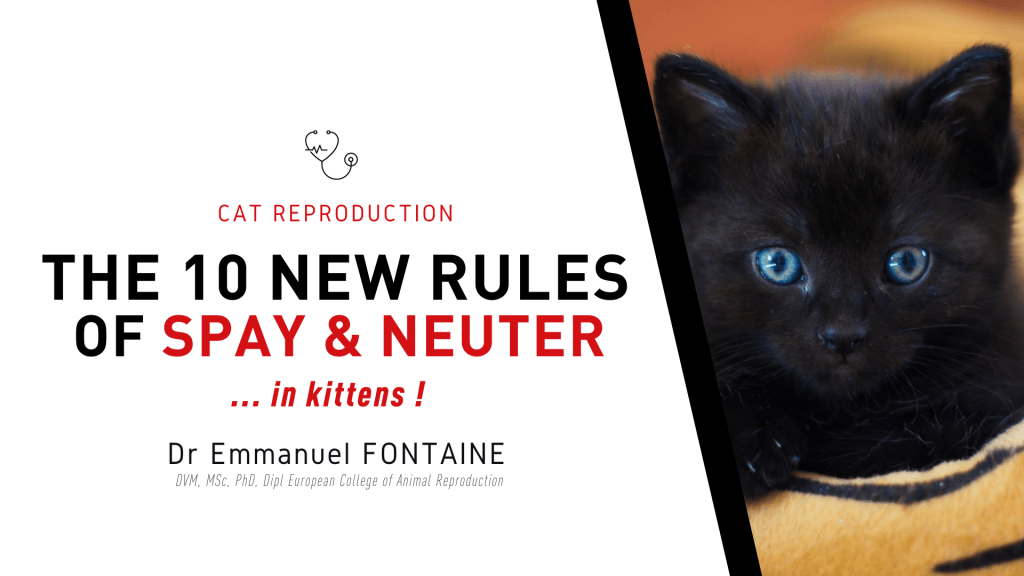
Spaying & Neutering in kittens is a topic surrounded by myths, outdated practices, and concerns.
The great news?
There are new rules to follow that can help us make better decisions for the health and well-being of our feline friends!
Don’t miss out on this opportunity to elevate your expertise in feline care.
Enroll today and be at the forefront of kitten spaying and neutering practices!

 DR. EMMANUEL FONTAINE