🇫🇷 Lire en Français | 🇪🇸Leer en Español | 🇧🇷Leia em português
Imagine you have just welcomed a highly anticipated litter born via a flawless, planned C-section. The mother is recovering beautifully, and your whelping box is spotlessly clean. Everything looks perfect. Yet, over the next 48 hours, the puppies are lagging. They are not gaining weight as quickly as your naturally whelped litters, and you feel the creeping anxiety of something going quietly wrong.
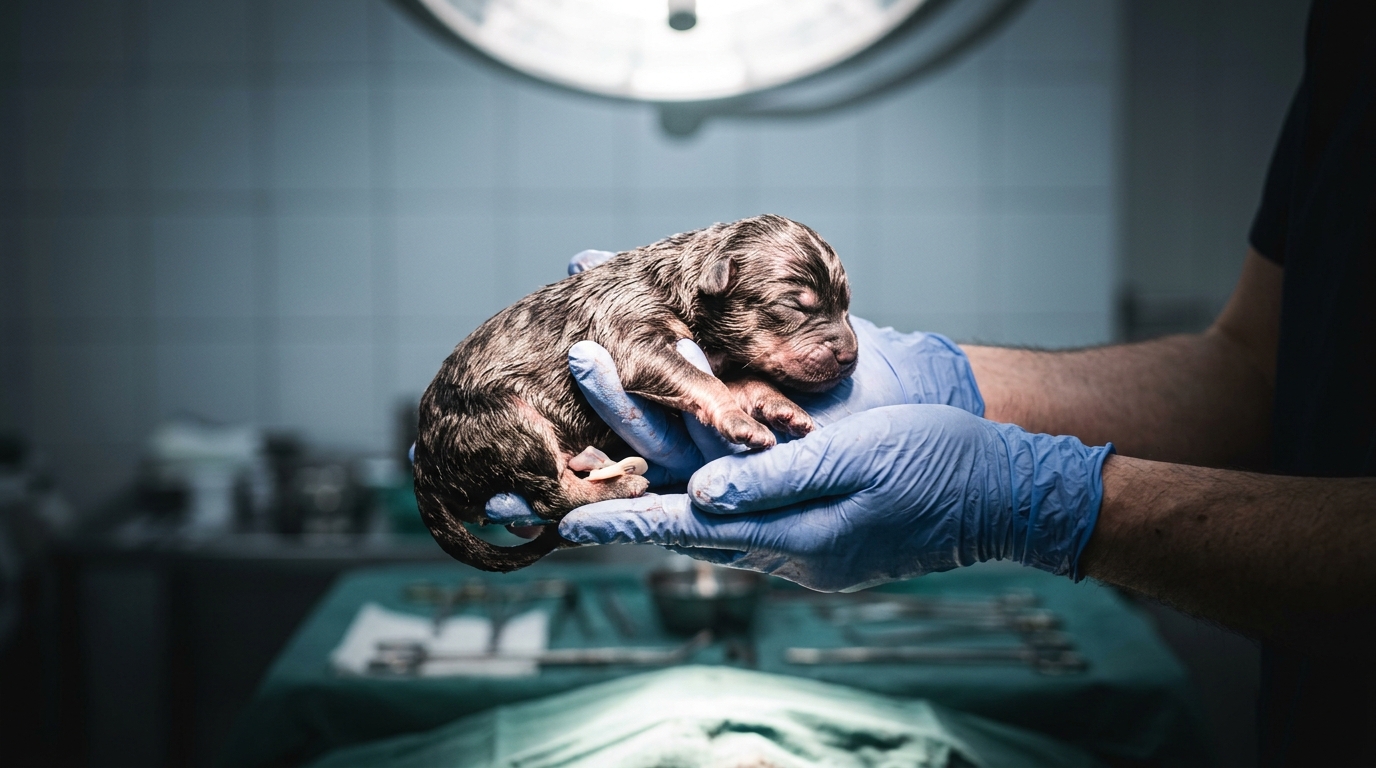
What you cannot see is an invisible loss that happened during the surgical birth. By bypassing the birth canal, these puppies missed nature’s “microbial bath” — the critical transfer of maternal bacteria that jumpstarts digestion, drives early weight gain, and trains the newborn immune system. As a veterinarian, I want to walk you through the science behind this microbial seeding window, what actually works to restore it, and what popular trends you can safely skip.
- TL;DR: Key Takeaways
- What Should You Know About the Microbial Seeding Window?
- What Should You Do to Restore Gut Health After a C-Section?
- What Tools and Supplies Should You Have Ready?
- What Warning Signs Should You Watch For?
- Your Litter’s Invisible Armor Starts With You
TL;DR: Key Takeaways
- C-section puppies miss the vaginal and fecal bacteria transfer that normally seeds their gut microbiome at birth, putting them at higher risk for slow growth and fading puppy syndrome.
- Colostrum is the single most important intervention — it must be ingested within 12 to 16 hours of birth at a dose of at least 1.5 mL per 100 g of body weight.
- Vaginal seeding (wiping maternal fluids on C-section newborns) has been shown to be ineffective in dogs in recent veterinary studies — it does not restore gut microbiome diversity.
- A neonate’s gut microbiome composition on Day 1 can predict fading puppy syndrome risk, making early weight monitoring your most powerful tracking tool.
- Avoid prophylactic broad-spectrum antibiotics in neonates — they devastate the fragile developing microbiome. Only use antibiotics with a clear medical indication, in partnership with your vet.
- Natural maternal contact (grooming, nursing) combined with neonatal probiotics offers the best evidence-based path to restoring gut health in C-section litters.
What Should You Know About the Microbial Seeding Window?
How Puppies Get Their First Bacteria
Every puppy is born into a world of microbes, and that is a very good thing. The gut microbiome — the community of bacteria living in the intestines — acts as an essential organ that governs nutrient absorption, metabolism, and defense against pathogens. Here is a fascinating detail from veterinary research: roughly 70% of the body’s immune system resides in the gut, and those earliest bacteria are what train it to work properly.
This first wave of bacteria arrives through what scientists call vertical transmission — a direct hand-off from mother to offspring. During a natural vaginal delivery, the neonate is bathed in the dam’s vaginal and fecal fluids, picking up “pioneer” bacteria that will colonize the gut. Think of it like planting seeds in freshly tilled soil — whoever gets planted first shapes the entire garden. After birth, colostrum, maternal licking, and even the nest environment continue this microbial handoff.
| Seeding Route | Timing | Key Bacteria Transferred | Impact on the Neonate |
|---|---|---|---|
| Vaginal delivery | During birth | Maternal vaginal and fecal flora (pioneer microbiome) | Establishes the foundation of gut colonization |
| Colostrum/Milk | First 12–16 hours | Bacteria via the entero-mammary pathway from the dam’s gut | Seeds the gut while transferring passive immunity |
| Maternal licking | First hours and days | Oral and skin microbiota from the dam | Supplements gut colonization; stimulates elimination |
| Nest environment | Ongoing | Environmental bacteria from bedding and dam’s unwashed skin | Exposes neonates to diverse, low-risk environmental microbes |
What Happens When C-Sections Bypass the Birth Canal
When puppies are delivered via an elective C-section, they completely skip the vaginal microbial bath. Instead of inheriting their mother’s carefully evolved bacteria, they are rapidly colonized by environmental and skin bacteria from the surgical suite. This leads to a condition researchers call cesarean-associated dysbiosis — a delayed, less diverse microbiome dominated by opportunistic bacteria like Haemophilus and Streptococcus pluranimalium rather than the protective maternal strains.
The consequences are measurable. Studies show that puppies born vaginally gain weight significantly faster than those born via C-section. Puppies whose meconium (first stool) contained bacteria gained noticeably more weight over their first three to four days compared to those with a sterile meconium. The mother’s own vaginal flora also matters: dams with higher levels of Moraxellaceae in their vaginal microbiota have the lowest stillbirth and neonatal mortality rates, while those with high Enterobacteriaceae (like E. coli) have the highest.
| Factor | Vaginal Delivery | Elective C-Section |
|---|---|---|
| Pioneer bacteria | Maternal vaginal and fecal flora | Environmental and skin bacteria from surgical suite |
| Gut diversity at birth | Higher bacterial diversity in meconium | Lower diversity; opportunistic pathogens more common |
| Early weight gain | Faster weight gain in first days | Slower weight gain; higher risk of early weight loss |
| Hormonal triggers | Oxytocin and prolactin activate during labor | Absent — may alter gut-brain axis colonization signals |
| Fading puppy risk | Lower risk (protective microbial balance) | Higher risk (microbial imbalance from Day 1) |
Why Vaginal Seeding Does Not Work in Dogs
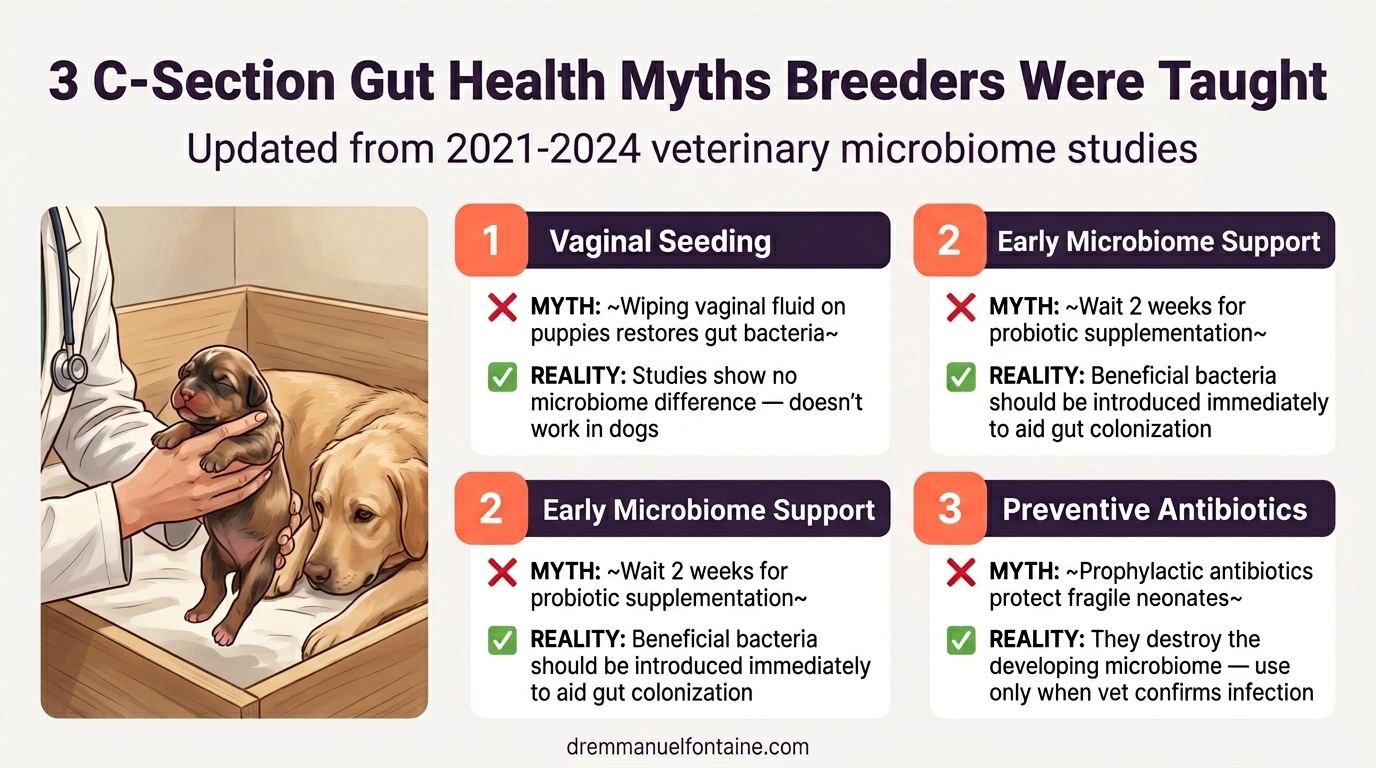
You may have heard of vaginal seeding — a practice where a breeder or veterinarian incubates a sterile gauze in the dam’s vagina and then wipes it over the C-section newborn’s mouth, face, and body. The idea sounds logical: manually replicate the microbial transfer that nature provides during a vaginal birth. However, here is what the latest veterinary research actually shows: vaginal seeding failed to effectively modulate the intestinal microbiota of puppies born via C-section.
When researchers compared C-section puppies that received vaginal seeding with those that did not, they found no significant differences in key bacterial populations like Staphylococcus, Streptococcus, or enterobacteria. Why? Scientists believe the problem goes deeper than just bacteria on a gauze. During a natural birth, hormonal triggers like oxytocin and prolactin activate the gut-brain axis, creating conditions for proper colonization. An elective C-section bypasses these hormonal signals entirely, meaning the physical wipe of bacteria is not enough to replicate the complex biology of natural labor.
| Common Belief | What Research Actually Shows |
|---|---|
| Wiping vaginal fluids on C-section pups restores their gut flora | No significant change in gut bacterial populations was found in seeded vs. un-seeded puppies |
| Vaginal seeding is widely proven in human medicine | Even in humans, results are mixed and guidelines remain cautious about the practice |
| Vaginal seeding is safe for all dams | It carries serious risks if the dam has not been screened for Brucella canis or toxigenic E. coli |
| The gauze delivers enough bacteria to colonize the gut | The absence of hormonal triggers (oxytocin, prolactin) during elective C-sections may prevent proper colonization regardless of bacterial exposure |
What Should You Do to Restore Gut Health After a C-Section?
Prioritize Colostrum Within the First 12 to 16 Hours
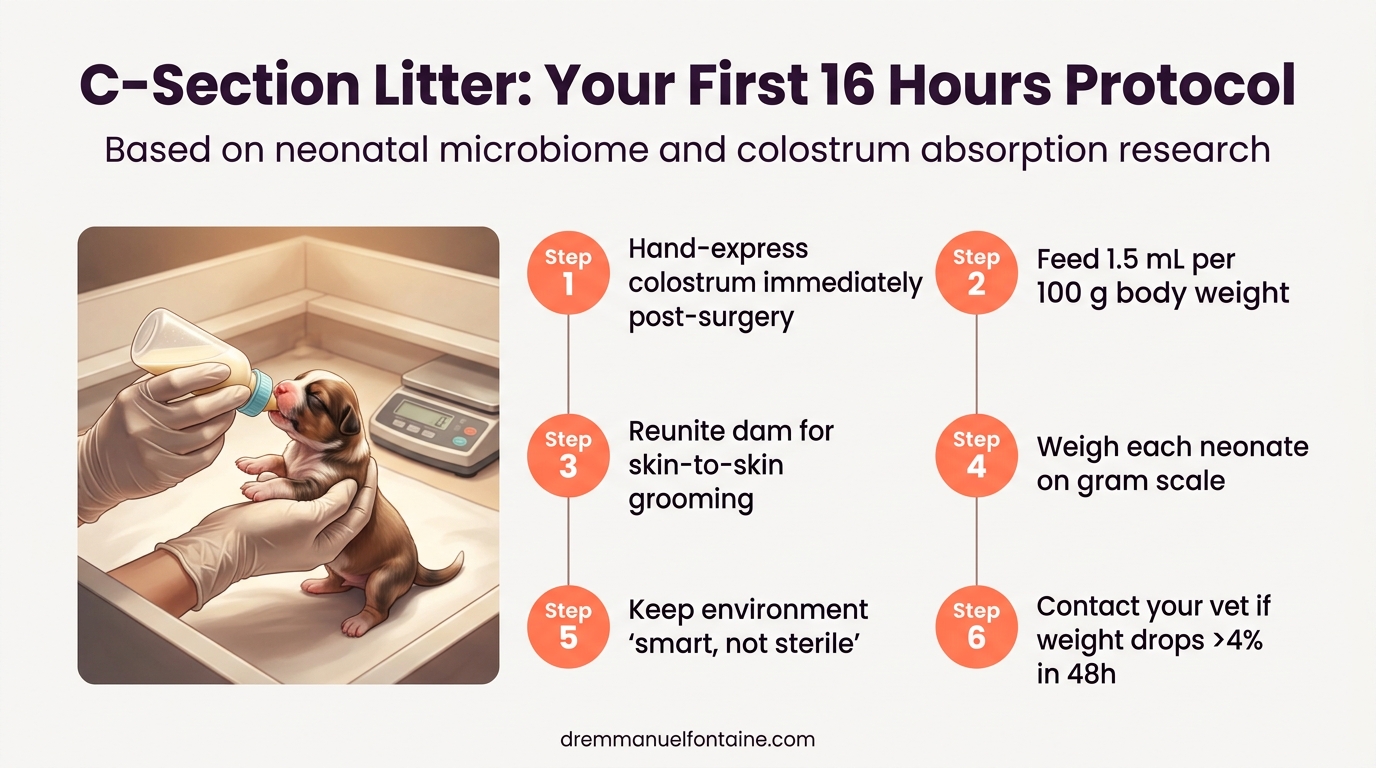
Colostrum is the single most critical intervention for any newborn, and especially for C-section litters. This first milk does double duty: it transfers passive immunity (antibodies) and it seeds the gut with beneficial bacteria from the dam via a remarkable pathway called the entero-mammary pathway, where bacteria from the mother’s gut travel through her lymphatic system directly into her mammary glands.
The window is narrow. The newborn’s intestinal lining can absorb whole antibodies only during the first 12 to 16 hours of life. After 24 hours, the intestinal barrier closes permanently. Your goal is to ensure each neonate receives at least 1.5 mL of colostrum per 100 g of body weight during this window. If the dam is groggy from anesthesia, hand-express her colostrum and bottle-feed or rub it on their gums. Your vet can help you assess colostrum quality and guide supplementation if the dam’s milk is delayed.
| Action | Timing | Target | If It Fails |
|---|---|---|---|
| Allow natural nursing | Immediately after dam recovers from anesthesia | All neonates nursing within 2 hours | Hand-express colostrum; bottle-feed or syringe-feed |
| Verify intake volume | First 12–16 hours | At least 1.5 mL per 100 g body weight | Supplement with commercial colostrum replacer |
| Monitor intestinal closure | 24-hour deadline | All neonates have received colostrum before gut closes | Consult your vet |
| Weigh before and after feeding | Every 2–3 hours in the first day | Measurable weight gain after each feeding | Increase feeding frequency; consult your vet |
Maximize Natural Maternal Contact
Once the dam is stable and awake from anesthesia, reunite her with the litter for supervised grooming. Every lick, every moment of skin contact, and every breath in the shared nest is an act of microbial seeding. The dam’s saliva and skin carry her oral and skin microbiota, and her natural grooming behavior — including the ingestion of newborn waste — actually helps circulate beneficial microbes back to the puppies through a continuous loop.
Create a “smart, not sterile” environment in the whelping box. Avoid harsh disinfectants in the immediate post-birth period, because the normal environmental bacteria from the dam’s unwashed bedding are part of the colonization ecosystem. Basic spot-cleaning is appropriate, but hospital-level sterilization is actually counterproductive. Think of it this way: if a garden needs seeds, you would not pave it over. The nest needs to be clean enough to be safe, but natural enough to support microbial life.
| Maternal Contact Method | What It Provides | Your Role |
|---|---|---|
| Supervised nursing | Colostrum bacteria, passive immunity, bonding hormones | Ensure every neonate latches; assist weak puppies |
| Dam’s grooming/licking | Oral and skin microbiota transfer; stimulates elimination | Allow natural behavior once dam is alert and stable |
| Skin-to-skin contact | Temperature regulation plus continuous microbial exchange | Place neonates against dam’s belly; minimize handling |
| Unwashed bedding contact | Exposure to maternal environmental microbes | Spot-clean only; avoid harsh disinfectants in the nest |
| Dam’s ingestion of neonatal waste | Recirculates beneficial microbes through the dam and back to litter | Do not intervene; this is a natural and essential behavior |
Protect the Developing Microbiome from Unnecessary Antibiotics
This is one of the most important decisions you will make with your veterinarian: strictly avoid “just in case” prophylactic broad-spectrum antibiotics for neonates. Medications like metronidazole or tylosin, commonly given for non-specific diarrhea, destroy the healthy developing microbiota and cause severe dysbiosis. Research has shown that a highly digestible diet or probiotic therapy often resolves neonatal diarrhea faster than a diet change combined with antibiotics.
This does not mean antibiotics are never appropriate. When your vet identifies a clear, medically essential infection — such as signs of neonatal sepsis — targeted antibiotics become lifesaving. The key is working with your veterinarian to distinguish genuine infection from the normal bacterial fluctuations of a developing neonatal gut. As we covered in the section above, some bacteria commonly blamed for diarrhea (like Campylobacter and Salmonella) are frequently found in perfectly healthy puppies.
| Scenario | Appropriate Response | Why |
|---|---|---|
| Non-specific mild diarrhea in neonate | Highly digestible milk replacer; consult your vet | Antibiotics destroy the developing microbiome; diet changes resolve diarrhea faster |
| Confirmed neonatal sepsis (cyanosis, flaccid tone, fever) | Targeted antibiotic therapy prescribed by your vet | Life-threatening infection requires immediate medical intervention |
| Prophylactic antibiotics “just in case” after C-section | Avoid unless vet identifies specific infection risk | Broad-spectrum antibiotics devastate the fragile establishing microbiome |
What Tools and Supplies Should You Have Ready?
Monitoring Equipment for Daily Tracking
Your most powerful tool for tracking gut health in neonates is something beautifully simple: a digital gram scale. Weight is the single most objective way to confirm that the microbiome is supporting digestion and growth. You need a scale with ±1 g accuracy and a range of 50 to 500 g. Weigh every neonate at the same time each day, on the same scale, and plot the results on breed-specific neonatal growth charts. Your vet can help you obtain or create these charts for your breed.
Beyond the scale, keep a digital or infrared thermometer handy. Normal neonatal rectal temperature during the first week is 35.0 to 37.2 °C (95 to 99 °F). A portable blood glucometer is also essential — blood glucose below 2.22 mmol/L (40 mg/dL) signals life-threatening hypoglycemia. Finally, a hygrometer ensures your whelping area humidity stays between 60% and 65%, which prevents dehydration through the neonates’ highly permeable skin.
| Equipment | Specification | What It Tracks | Critical Threshold |
|---|---|---|---|
| Digital gram scale | ±1 g accuracy, 50–500 g range | Daily weight gain (5–10% per day expected) | Weight loss > 4% of birth weight in 48 hours |
| Digital/infrared thermometer | Rectal or ear measurement | Body temperature | Below 34 °C (93.2 °F) = veterinary emergency |
| Portable blood glucometer | Veterinary or human glucometer | Blood glucose levels | Below 2.22 mmol/L (40 mg/dL) = emergency |
| Hygrometer | Digital, placed in whelping box | Environmental humidity | Below 55% = dehydration risk in neonates |
Medical and Microbial Support Supplies
Have a commercial colostrum or milk replacer on hand before the litter arrives. Colostrum intake within the first 12 to 16 hours is non-negotiable, and you need a backup plan if the dam’s lactation is delayed after anesthesia. Keep neonatal-sized bottles, nipples, and 1 mL to 3 mL syringes ready for precise oral dosing.
| Supply Category | Items | Purpose |
|---|---|---|
| Colostrum backup | Commercial colostrum replacer, neonatal bottles, 1–3 mL syringes | Ensure colostrum delivery if dam’s milk is delayed |
| Umbilical care | Povidone-iodine or chlorhexidine solution, sterile gauze | Twice-daily disinfection to prevent neonatal sepsis |
| Rewarming supplies | Thermostat heating carpets, warm compresses, 10% glucose (dextrose) solution | Safely rewarm hypothermic neonates (max 1 °C per hour) |
| Identification | Colored ribbons or soft Velcro collars | Track individual neonates for daily weight records |
Your Whelping Environment and Veterinary Relationship
Your whelping environment itself is a tool. Set up an incubator or localized heating source that maintains the initial environment at 30 °C (86 °F) with humidity at 60% to 65%. The space should provide a temperature gradient so neonates can self-regulate by moving toward or away from the heat source. Remember the “smart, not sterile” principle from our earlier discussion — avoid harsh chemical disinfectants that would wipe out the beneficial environmental bacteria your neonates need.
Equally important is your veterinary relationship. Before the litter arrives, discuss antibiotic stewardship with your vet so you are aligned on avoiding unnecessary prophylactic antibiotics. If you are considering vaginal seeding, your vet must pre-screen the dam for Brucella canis and other relevant pathogens — this is a non-negotiable safety step. Work together to prepare breed-specific growth charts and agree on emergency thresholds so both of you can act quickly when it matters most.
| Preparation Step | Specification | Rationale |
|---|---|---|
| Set whelping box temperature | 30 °C (86 °F) initially, with gradient for self-regulation | Neonates cannot thermoregulate; hypothermia stops gut function |
| Set humidity | 60–65% (never below 55%) | Neonatal skin is highly permeable; low humidity causes dehydration |
| Prepare “smart, not sterile” environment | Basic spot-cleaning; no harsh disinfectants | Normal environmental bacteria support healthy gut colonization |
| Discuss antibiotic stewardship with your vet | Agree to avoid prophylactic antibiotics for neonates | Broad-spectrum antibiotics destroy the developing microbiome |
| Pre-screen dam (if considering vaginal seeding) | Test for Brucella canis, canine herpesvirus, toxigenic E. coli | Seeding from an infected dam transfers lethal pathogens, not protective flora |
What Warning Signs Should You Watch For?
Early Warning Signs of Microbial Imbalance
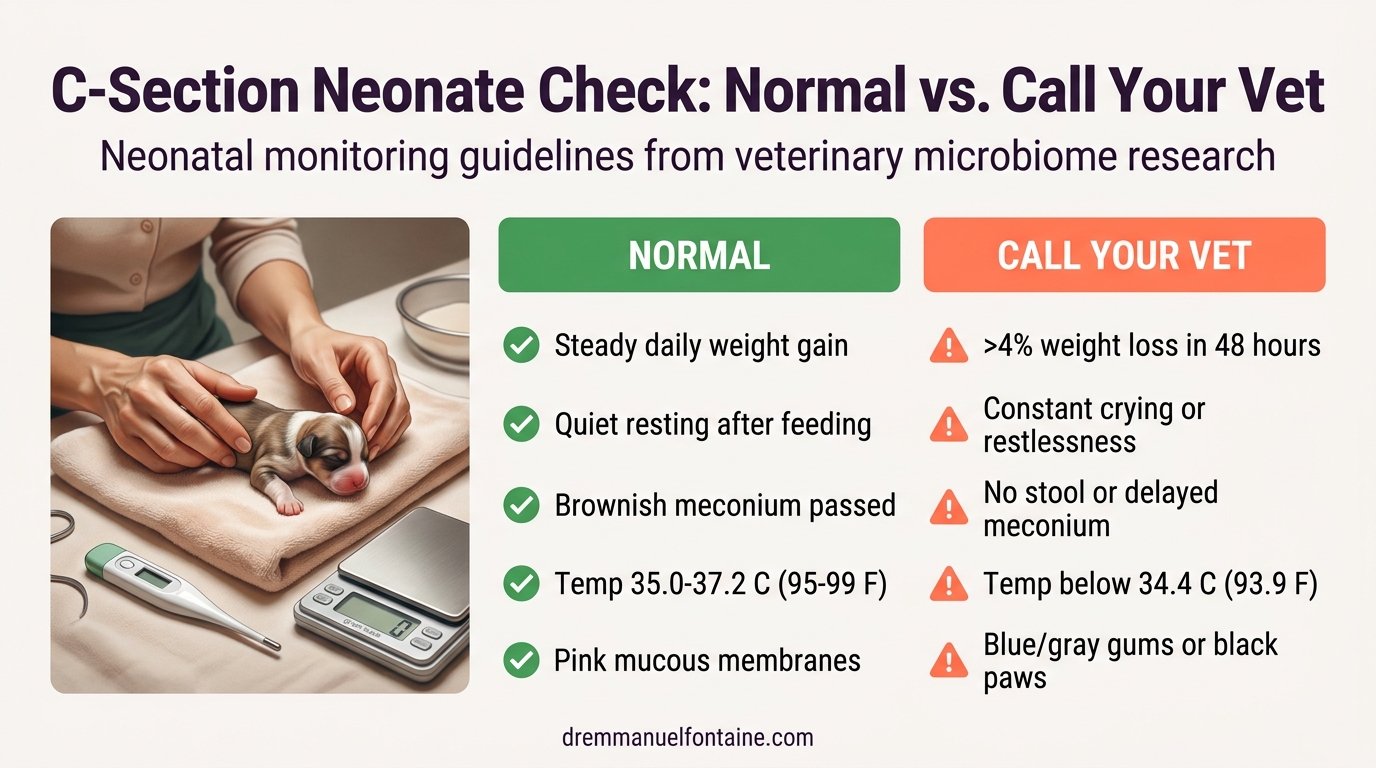
The earliest and most reliable warning sign is found on your scale. Remember the daily weighing protocol section? A weight loss of more than 4% of birth weight within the first 48 hours is a major red flag that defines a puppy as “at-risk” and increases the risk of neonatal mortality by eight times. Neonates born in the lowest 25th percentile of weight for their breed are at an even greater disadvantage, often showing delayed microbiota maturation.
Watch for subtle behavioral cues as well. Reduced activity on the very first day of life is highly predictive of fading puppy syndrome. A healthy, well-colonized neonate rests quietly after feeding — constant restlessness, crying, or vocalizing is a subtle early sign of digestive discomfort. Also pay attention to the meconium (first stool): it should be brownish. Puppies with delayed or absent bacterial colonization in their meconium tend to gain weight more slowly over the first few days.
| Warning Sign | What It Means | When to Act |
|---|---|---|
| Weight loss > 4% in first 48 hours | Neonate classified as “at-risk”; 8x higher mortality risk | Begin supplemental feeding immediately; contact your vet |
| Low birth weight (< 25th percentile) | Delayed microbiota maturation; prolonged gut oxygen favors opportunistic bacteria | Monitor every 2–3 hours; supplement feeding from Day 1 |
| Decreased activity on Day 1 | Associated with altered gut microbiota (higher Proteobacteria:Firmicutes ratio) | Alert your vet; prepare for intensive monitoring |
| Constant crying or restlessness | Possible digestive discomfort from inadequate colonization or nutrition | Check temperature, glucose, and hydration; increase feeding frequency |
| Sterile or delayed meconium | Lack of early bacterial seeding; associated with slower weight gain | Ensure colostrum intake; discuss probiotic support with your vet |
Emergency Danger Signs Requiring Immediate Veterinary Care
The most dangerous clinical pattern in neonates is called the Neonatal Triad: hypothermia, hypoglycemia, and dehydration. These three conditions feed on each other — a cold puppy cannot digest food, an unfed puppy’s blood sugar drops, and a dehydrated puppy’s body cannot maintain temperature. Never feed a neonate whose temperature has dropped below 34.4 °C (93.9 °F), because the gut stops working at that point. Slowly rewarm first, then feed.
Physical signs of neonatal sepsis — a severe systemic infection often driven by pathogenic bacterial overgrowth — demand immediate emergency care. These include cyanosis (blue or gray coloration of the mucous membranes), black or gray paws, tail tip necrosis, inflamed red abdominal skin, and meconium diarrhea. Flaccid muscle tone, loss of the suckle reflex, and generalized weakness are also critical signs. Contact your veterinarian immediately if you observe any of these.
| Measurement | Normal Range (First Week) | Emergency Threshold | Immediate Action |
|---|---|---|---|
| Body temperature | 35.0–37.2 °C (95–99 °F) | Below 34 °C (93.2 °F) | Slowly rewarm (max 1 °C/hour); do NOT feed until 35 °C; call your vet |
| Blood glucose | Above 2.22 mmol/L (40 mg/dL) | Below 2.22 mmol/L (40 mg/dL) | Administer 10% glucose orally; call your vet immediately |
| Heart rate (puppies) | 200–260 bpm | Significant bradycardia | Check for hypothermia; begin rewarming; seek emergency veterinary care |
| Urine color | Light yellow or nearly colorless | Dark yellow or absent | Indicates dehydration; increase fluid support; contact your vet |
| Weight change (48 hours) | Gaining | Loss > 4% of birth weight | Begin supplemental feeding; alert your vet immediately |
Signs That Your Protocol Is Working — or Failing
How do you know if your colostrum and natural contact efforts are paying off? The clearest indicator is consistent daily growth. Healthy neonates gain weight on a daily basis. Their stools should transition smoothly from brownish meconium to yellowish milk feces, and any early bloating or digestive distress should resolve.
Watch for signs of failure as well. One common challenge comes at weaning, around 6 to 8 weeks of age, when up to 25% of puppies may develop diarrhea as their microbiome struggles to adapt to solid food. If warming interventions and feeding fail to raise a neonate’s body temperature, the gut will remain paralyzed (a condition called ileus), creating a dangerous cycle of bloat and regurgitation. These are moments to bring your observations to your veterinarian, who can guide next steps and adjust the plan. This is worth repeating: your vet is your partner in every decision, especially when the protocol does not seem to be working.
| Indicator | Protocol Is Working | Protocol Is Failing |
|---|---|---|
| Weight at 48 hours | Equal to or greater than birth weight | Loss > 4% of birth weight |
| Daily growth rate | 5–10% gain per day; doubling birth weight by Day 7–10 | Stagnant or declining weight despite feeding |
| Stool appearance | Smooth transition from brownish meconium to yellowish milk feces | Persistent pasty or diarrheal stools; meconium diarrhea |
| Neonatal behavior | Quiet after feeding; active suckling reflex | Constant crying, restlessness, flaccid tone, or refusal to nurse |
| Temperature stability | Maintains 35.0–37.2 °C (95–99 °F) with heat support | Persistent hypothermia despite warming; gut ileus suspected |
| Weaning transition (6–8 weeks) | Smooth adaptation to solid food; firm stools | Diarrhea affecting > 25% of litter; weight loss at weaning |
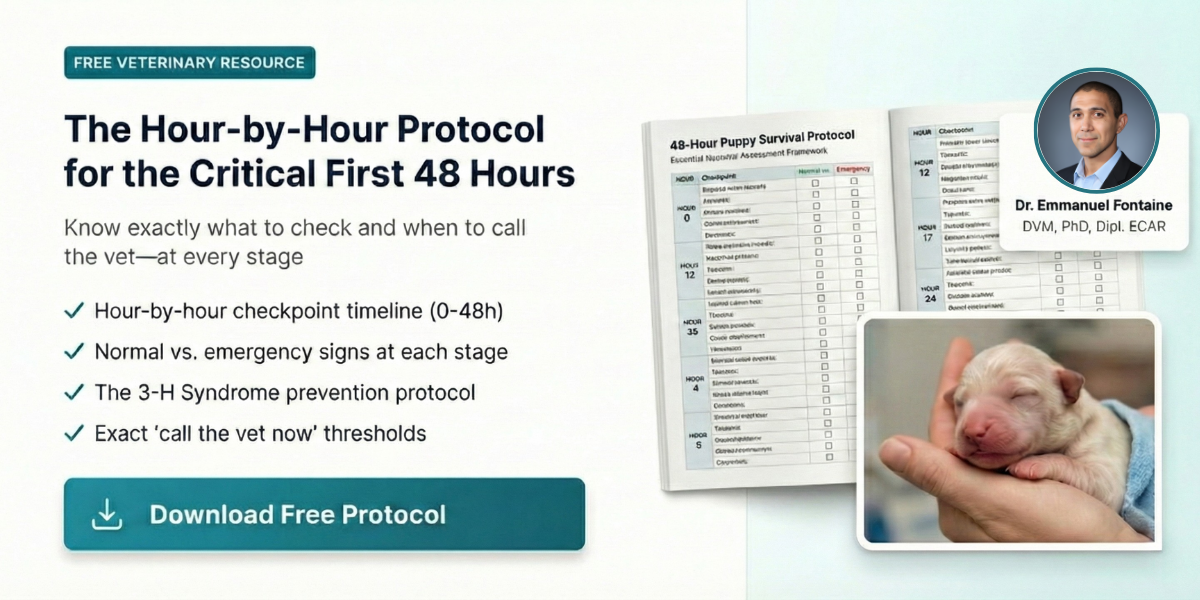
Want to put all of this into action during your next C-section litter? Inside the Breeder Vault, you’ll find the Neonatal Gut Health Field Protocol — a printable, hour-by-hour monitoring checklist with decision trees, emergency thresholds, and veterinary request scripts designed to be used in real time during the critical first 48 hours after birth. It’s the operational companion to everything you just learned.
Your Litter’s Invisible Armor Starts With You
The microbial seeding window is real, it is measurable, and it is within your influence. C-section litters start life at a microbial disadvantage, but they do not have to stay there. By prioritizing colostrum within those first critical hours, embracing natural maternal contact over sterile isolation, supporting the developing gut with evidence-based probiotics, and working closely with your veterinarian to avoid unnecessary antibiotics, you are giving your puppies the strongest possible foundation.
Forget the trendy interventions that sound logical but fail the science test. Focus on what the research actually proves works. Your scale, your thermometer, and your observations are powerful tools. Your veterinarian is your essential partner. And your puppies — even the ones who missed that first microbial bath — are resilient. You now understand the science, you have the protocol, and you know exactly what to watch for. That knowledge is their invisible armor, and you are the one who put it on them.

 DR. EMMANUEL FONTAINE