
Exploring the critical phases of canine and feline reproduction, this blog offers a comprehensive guide on assessing the presentation of neonates during parturition. Understanding the presentation, position, and posture of puppies and kittens at birth is pivotal for ensuring a healthy start to life. With practical advice for breeders, veterinarians, and pet enthusiasts, we unravel the complexities of birth processes in dogs and cats. Highlighting the importance of timely intervention and expert care, this article empowers readers with knowledge to support the wellbeing of mother and offspring during this crucial time.
My Last Posts
[BLOG] Feline reproduction: fibroadenomato….what?!?!
In veterinary circles, fibroadenomatosis in felines is a condition less commonly encountered but crucial for cat breeders to understand. This blog unveils the complexities behind this sex hormone-related disease, primarily influenced by progesterone. With cats being mating-induced ovulators, the risk of fibroadenomatosis escalates, potentially complicating pregnancies. Beyond natural causes, the use of progestins, potent progesterone analogues, as contraceptive measures amplifies this risk. Despite its daunting prospects, effective medical interventions have evolved, offering hope and solutions.
[BLOG] Canine and feline reproduction: 3 interesting questions I got during my last trip
This blog navigates the nuances of mastitis in pets, the necessity of C-sections across pregnancies, and the intricacies of detecting cervical readiness for birth. It emphasizes a collaborative approach to pet breeding, leveraging advanced treatments for mastitis and debunking myths around C-sections and cervical examinations in pets.
[BLOG] Determining the due date in the bitch: can we do this ?
Discover the art of determining the due date in canines with precision and confidence. Understanding the exact pregnancy length, traditionally observed at 63±1 days from ovulation, significantly impacts breeding success and management. Contrary to common practice, relying on the date of the first breeding may result in a broad 58 to 72 days range, complicating due date prediction. Learn about the valuable role of ovulation timing in enhancing fertility and predicting parturition with near certainty. This guide also explores size-specific delivery expectations and alternative methods for due date estimation, including biometric measurements and progesterone level assessments, to support breeders and veterinarians in ensuring optimal outcomes for both dam and offspring.
[BLOG] The genomic era: how new genetic tools will revolutionize canine breeding
In the transformative landscape of canine breeding, the genomic era ushers in groundbreaking genetic tools set to redefine our approach. This blog explores the significant impact of genetic advancements on dog breeding practices. With a focus on optimizing health, longevity, and traits, these technologies promise to enhance the selection process, ensuring a healthier future for our canine companions. Discover how genetic testing and personalized breeding strategies can lead to more predictable and desirable outcomes in dog breeds.
[BLOG] Why parasite-free dogs might remain a myth…
Parasites in dogs remain a widespread concern, challenging the notion of achieving a completely parasite-free status for our canine friends. This blog explores the persistent battle against parasites like Giardia and Coccidia, and the critical role of vigilant preventative measures. Despite advancements in veterinary care, including effective deworming protocols and comprehensive vaccination schedules, eradicating parasites in dogs is an ambitious goal. Emphasizing the importance of regular health checks, this piece sheds light on why complete freedom from parasites might still be a myth.
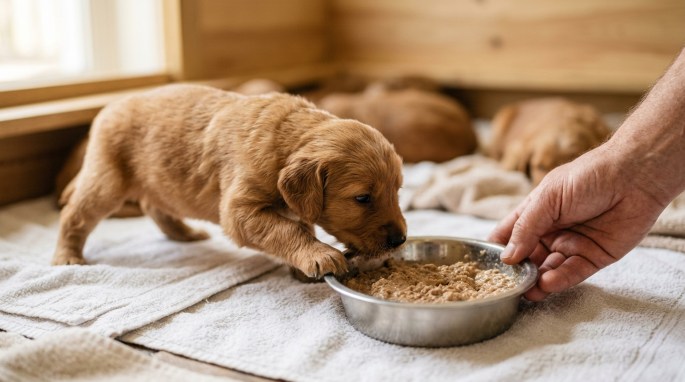
Why Does Weaning Diarrhea Happen in Puppies?
Weaning diarrhea is a predictable microbiome transition event, not a failure. Pancreatic enzymes mature by week 8, gut bacteria reset over 2 to 3 weeks, and 75% of puppies carry 2 or more pathogens simultaneously. A 7-day gradual food transition, targeted probiotics, and fecal PCR testing at week 5 or 6 transform reactive troubleshooting into proactive support.
[BLOG] “Larva migrans”: a scientific name for something you should be aware of !
Discover the crucial battle against gastro-intestinal parasites in breeding kennels, emphasizing the significance for canine breeders. Gastro-intestinal parasites, including Toxocara canis, pose significant challenges, adopting strategies like hypobiosis and resistant eggs to thrive alongside dogs. These parasites not only threaten canine health but also pose zoonotic risks to humans, especially vulnerable groups, leading to the larva migrans phenomenon. Highlighting simple yet effective preventive measures, such as proper deworming and hygiene practices, this blog underscores the importance of awareness and action in mitigating these risks in kennel environments.
[BLOG] Weaning diarrhea in kittens: what you should know, what you can do !
Weaning diarrhea in kittens is a common issue observed in feline breeding units, often occurring as they transition from milk to solid food. This phase sees a change in stool consistency due to the developing digestive tract and enzymatic capabilities of young kittens. Addressing this concern involves understanding risk factors within breeding structures and implementing effective feeding management strategies. Proper care can significantly reduce symptom severity, ensuring the health and well-being of kittens during this critical growth period. Explore practical solutions and a tested weaning recipe on our blog.
[BLOG] Giardia infection : important things to know about it !
Giardia infection in pets, especially in breeding kennels and catteries, is a significant challenge due to its complexity and resistance in the environment. This blog highlights the critical aspects of managing Giardia infections, emphasizing that around 10% of dogs, 30-50% of puppies, and nearly all breeding kennels could host this parasite. Understanding Giardia's epidemiology, diagnosis, treatment, and prevention is crucial for breeders to maintain healthy kennels and catteries.

