
Understanding the impact of embryonic resorptions on small animal reproduction is crucial for breeders and veterinarians alike. This phenomenon, often unnoticed, can significantly affect litter size and the health of the dam. By identifying the causes and implications of embryonic loss in dogs and cats, we can improve breeding strategies and enhance prenatal care. Our comprehensive overview explores the importance of monitoring and addressing this issue to ensure the well-being of both the mother and her offspring
Tag: Dam
The female parent in breeding, emphasizing health, care during pregnancy, and maternal roles.
[BLOG] Something I must tell you about: TECT, a weird acronym but a great breakthrough in canine reproduction
Discover the revolutionary breakthrough in canine reproduction known as TECT, a term that might sound peculiar but signifies a significant advancement in dog breeding. This article explores the innovative approach that is set to transform how breeders and veterinarians understand and facilitate the breeding process, ensuring healthier pregnancies and improving the welfare of both dams and sires. Learn about the latest research findings, practical applications, and how TECT offers new insights into fertility, whelping, and neonatal care.
[BLOG] Canine repro: why it is really a unique species
Exploring canine reproduction reveals its distinct nature compared to other mammals. Canines exhibit early luteinisation of ovarian follicles, where progesterone production begins before ovulation, aiding in pinpointing ovulation timing. Unlike most mammals that release mature oocytes during ovulation, canines ovulate premature oocytes requiring 55 to 72 hours of maturation before fertilization can occur. This understanding is pivotal in devising optimal breeding protocols, offering a glimpse into the unique aspects of canine breeding and the ongoing scientific journey to unravel the mysteries of their reproductive physiology.
Dog Breeding Decoded: 20 Key Insights into Canine Ovulation Timing
This blog delves into the intricate details of canine reproduction, focusing particularly on the estrous cycle and the role of progesterone in ovulation timing. It provides comprehensive insights into the stages of the cycle, progesterone testing, and the inherent variability in ovulation timing. This resource is invaluable for dog breeders, and veterinarians offering a scientific yet accessible explanation of complex reproductive processes.
[BLOG] Determining the due date in the bitch: can we do this ?
Discover the art of determining the due date in canines with precision and confidence. Understanding the exact pregnancy length, traditionally observed at 63±1 days from ovulation, significantly impacts breeding success and management. Contrary to common practice, relying on the date of the first breeding may result in a broad 58 to 72 days range, complicating due date prediction. Learn about the valuable role of ovulation timing in enhancing fertility and predicting parturition with near certainty. This guide also explores size-specific delivery expectations and alternative methods for due date estimation, including biometric measurements and progesterone level assessments, to support breeders and veterinarians in ensuring optimal outcomes for both dam and offspring.
[BLOG] The genomic era: how new genetic tools will revolutionize canine breeding
In the transformative landscape of canine breeding, the genomic era ushers in groundbreaking genetic tools set to redefine our approach. This blog explores the significant impact of genetic advancements on dog breeding practices. With a focus on optimizing health, longevity, and traits, these technologies promise to enhance the selection process, ensuring a healthier future for our canine companions. Discover how genetic testing and personalized breeding strategies can lead to more predictable and desirable outcomes in dog breeds.

Cat Breeding Genetics: What DNA Testing Can Tell You
A vet's guide to reading cat DNA tests: which results predict, which only shift the odds, breed-specific variants, blood typing, and safe carrier breeding.
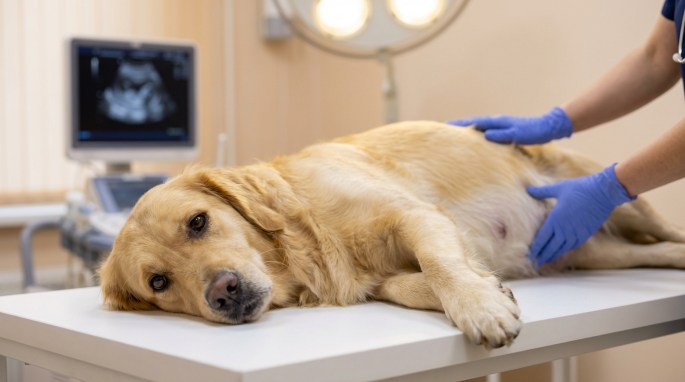
How to Spot and Manage Canine Maternal Hydrops
A rock-hard belly in late pregnancy could be deadly hydrops. Learn to spot the warning signs your vet might miss — before it’s too late.

