
Considering a repeat C-section for your dog? Understanding the complexities and necessary precautions is crucial for a smooth pregnancy and birthing process. This article explores key considerations for dogs that have undergone a previous C-section, highlighting the importance of veterinary oversight, timing, and the health of the dam. Learn about the potential risks, signs to watch for during pregnancy, and the steps you can take to ensure the well-being of both the mother and her puppies. From pre-pregnancy planning to post-operative care, get expert insights on managing a C-section birth in dogs.
Tag: Dam
The female parent in breeding, emphasizing health, care during pregnancy, and maternal roles.
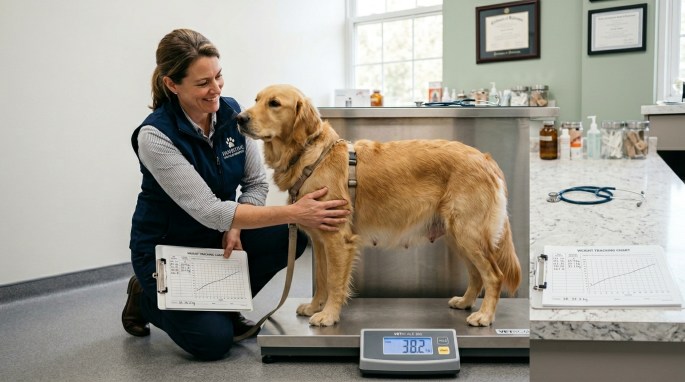
What Should Your Pregnant Dog Weigh Each Week?
Your pregnant dog's weight tells you whether whelping will go smoothly or head toward dystocia. Here is the week-by-week protocol: zero gain for 40 days, then steady 15 to 25 percent gain through whelping, and the red flags your vet needs to see.
[BLOG] The truth about silent heats : 20 facts dog breeders need to know ( Part II )
Understanding silent heats in dogs is crucial for successful dog breeding. This comprehensive guide illuminates the often-misunderstood phenomenon of silent heats, offering essential insights into recognizing and managing it effectively. Learn about the vital signs, the role of hormones like estrogen and progesterone, and the impact on fertility. Perfect for breeders looking to enhance their knowledge on canine reproduction, this article demystifies silent heats, backed by scientific explanations and practical advice.
[BLOG] The truth about silent heats : 20 facts dog breeders need to know ( Part I )
Unlocking the mystery of silent heats in dogs, this comprehensive guide is essential for dog breeders aiming to understand and navigate this phenomenon effectively. Silent heats can complicate breeding plans and hinder successful outcomes, making knowledge in this area invaluable. Covering everything from identifying silent heats to managing breeding strategies around them, the blog offers practical insights and solutions. With a focus on hormonal cues and breeding timing, readers will gain the knowledge needed to enhance their breeding success rates.
[BLOG] Your bitch is about to whelp ? My 10 tips to relieve her from the associated stress ! (Part II)
Preparing for the birth of puppies is a crucial time for breeders and dog owners alike. This article offers invaluable advice for relieving stress in expectant dogs, ensuring a smoother whelping process. Discover practical tips on optimizing the environment with a properly prepared whelping box, the significance of maintaining cleanliness and quiet, and the importance of nutritional support during this demanding time. Our guidance is designed to support the dam's health and well-being, contributing to the successful delivery and care of her newborn puppies.
[BLOG] Your bitch is about to whelp ? My 10 tips to relieve her from the associated stress ! (Part I)
Preparing for your dog's whelping can be both an exciting and stressful time. To ensure a smooth process for the soon-to-be mother and her puppies, it's crucial to reduce her stress levels. This blog post shares essential tips for dog owners to support their pregnant dogs through the final stages of pregnancy and the birthing process. From creating a comfortable whelping box to understanding the nutritional needs of a pregnant dog, these insights will help you provide the best care.
[BLOG] Canine parturition : at risk… or not ?
Exploring the risks of canine parturition, this blog post unveils the potential dangers associated with dog pregnancies and deliveries. A 2007 study on 1614 bitches highlighted a 13.7% occurrence of dystocia, leading to significant neonatal mortality rates. Factors such as breed, weight, parity, and previous dystocia are discussed for their impact on birthing outcomes. The post also emphasizes the importance of veterinary advances in early detection and management, aiming to optimize survival chances for puppies.
[BLOG] Feline reproduction: spermogram in cats, feasible or not?
Exploring the feasibility of conducting a spermogram in cats, this comprehensive blog provides key insights into the innovative approach to feline reproduction. With a focus on the technical aspects and potential benefits, it addresses common concerns and outlines the process involved in sperm analysis for breeding purposes. The article aims to enlighten cat breeders and veterinarians about the advancements in reproductive health checks, highlighting how this method can contribute to better breeding strategies and improved genetic health in felines.
[BLOG] Endometritis in the bitch: what the heck is it ?
Endometritis in bitches is a critical reproductive health issue that can significantly affect fertility and overall well-being. This condition, characterized by inflammation of the uterine lining, poses a challenge for breeders and veterinarians alike. Understanding its causes, symptoms, and treatment options is vital for managing the reproductive health of female dogs. This blog post offers an in-depth overview of endometritis, aiming to equip dog owners and breeders with the knowledge needed to recognize and address this condition effectively. Highlighting the importance of timely diagnosis and intervention, the discussion emphasizes the role of veterinary care in preventing long-term reproductive problems.
[BLOG] Vulvar discharge in diestrus: why you should always worry
In the realm of canine reproduction, a vulvar discharge during diestrus can signal critical health issues that demand immediate attention. This article explores the significance of recognizing and appropriately responding to this symptom, underscoring its potential implications for the health and fertility of breeding dogs. It provides essential insights into the underlying causes of vulvar discharge in the diestrus phase, including infections and reproductive system disorders, and outlines the steps breeders and pet owners should take to ensure the well-being of their dogs.

