
Exploring canine reproduction reveals its distinct nature compared to other mammals. Canines exhibit early luteinisation of ovarian follicles, where progesterone production begins before ovulation, aiding in pinpointing ovulation timing. Unlike most mammals that release mature oocytes during ovulation, canines ovulate premature oocytes requiring 55 to 72 hours of maturation before fertilization can occur. This understanding is pivotal in devising optimal breeding protocols, offering a glimpse into the unique aspects of canine breeding and the ongoing scientific journey to unravel the mysteries of their reproductive physiology.
Tag: Dog Breeding 101
Essential insights into dog breeding, covering basics from genetics to ethical practices
Dog Breeding Decoded: 20 Key Insights into Canine Ovulation Timing
This blog delves into the intricate details of canine reproduction, focusing particularly on the estrous cycle and the role of progesterone in ovulation timing. It provides comprehensive insights into the stages of the cycle, progesterone testing, and the inherent variability in ovulation timing. This resource is invaluable for dog breeders, and veterinarians offering a scientific yet accessible explanation of complex reproductive processes.
[BLOG] Canine and feline reproduction: why (and how) assessing presentation of the neonates during parturition ?
Exploring the critical phases of canine and feline reproduction, this blog offers a comprehensive guide on assessing the presentation of neonates during parturition. Understanding the presentation, position, and posture of puppies and kittens at birth is pivotal for ensuring a healthy start to life. With practical advice for breeders, veterinarians, and pet enthusiasts, we unravel the complexities of birth processes in dogs and cats. Highlighting the importance of timely intervention and expert care, this article empowers readers with knowledge to support the wellbeing of mother and offspring during this crucial time.
[BLOG] Canine and feline reproduction: 3 interesting questions I got during my last trip
This blog navigates the nuances of mastitis in pets, the necessity of C-sections across pregnancies, and the intricacies of detecting cervical readiness for birth. It emphasizes a collaborative approach to pet breeding, leveraging advanced treatments for mastitis and debunking myths around C-sections and cervical examinations in pets.
[BLOG] Determining the due date in the bitch: can we do this ?
Discover the art of determining the due date in canines with precision and confidence. Understanding the exact pregnancy length, traditionally observed at 63±1 days from ovulation, significantly impacts breeding success and management. Contrary to common practice, relying on the date of the first breeding may result in a broad 58 to 72 days range, complicating due date prediction. Learn about the valuable role of ovulation timing in enhancing fertility and predicting parturition with near certainty. This guide also explores size-specific delivery expectations and alternative methods for due date estimation, including biometric measurements and progesterone level assessments, to support breeders and veterinarians in ensuring optimal outcomes for both dam and offspring.
[BLOG] The genomic era: how new genetic tools will revolutionize canine breeding
In the transformative landscape of canine breeding, the genomic era ushers in groundbreaking genetic tools set to redefine our approach. This blog explores the significant impact of genetic advancements on dog breeding practices. With a focus on optimizing health, longevity, and traits, these technologies promise to enhance the selection process, ensuring a healthier future for our canine companions. Discover how genetic testing and personalized breeding strategies can lead to more predictable and desirable outcomes in dog breeds.
[BLOG] Canine brucellosis 101: stay informed to prevent the risk !
Explore the essentials of canine brucellosis, a pivotal concern for dog breeders and owners alike, through our comprehensive guide. Understand how this infectious disease poses a risk to dog health, impacting fertility, pregnancy, and overall wellbeing. Grasp the importance of early detection, preventive measures, and effective management strategies to safeguard your breeding programs and ensure the health of your dogs.
[BLOG] Doc, there’s one “ball” missing in this puppy: is it going to be a problem ?
In the world of canine breeding, encountering a puppy with a missing testicle, known as ectopic testis or cryptorchidism, is not uncommon, affecting 1.2 to 5% of male pups. This condition, where one or both testicles fail to descend into the scrotum, can have significant implications. For breeders, it means such individuals should not be bred due to the potential spread of unfavorable genetics and should be neutered to prevent health risks like testicular tumors and torsion.
[BLOG] True Story : Why I had a crush on Starter
Discover a true tale of unexpected lessons in dog breeding from a vet student's perspective. Learn how a chance encounter led to a newfound understanding of the importance of proper nutritional management during a dog's pregnancy.
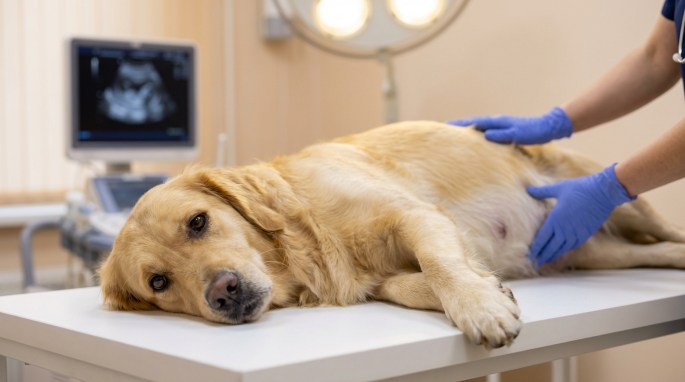
How to Spot and Manage Canine Maternal Hydrops
A rock-hard belly in late pregnancy could be deadly hydrops. Learn to spot the warning signs your vet might miss — before it’s too late.
 DR. EMMANUEL FONTAINE