
In veterinary neonatology, the 'Mother-Newborn-Environment' triad is crucial. Bacterial infections, like ophtalmia, can originate from the mother or the environment. Mothers can transfer bacteria to newborns through licking or nursing, especially if oral health or mastitis is a concern. The environment can also act as a germ reservoir. To prevent these infections, focus on the mother's oral health, daily assess mammary glands, disinfect the umbilical stump, and maintain a clean environment. Ensuring colostrum intake in newborns is also vital for their immune function. These measures can significantly reduce neonatal bacterial infections in puppies and kittens.
Tag: Maternity
Care strategies for mother pets during pregnancy, birth, and postpartum.
Update : Doc, my queen is giving birth, what am I supposed to do?!?! – Part II (2018)
This insightful post explores the essentials of supporting a cat during labor, from preparing a whelping box to understanding the natural processes of delivery.
[BLOG] The Maternity : What I was reminded of while traveling
Explore the intricacies of maternity in the canine world through the lens of Dr. Emmanuel Fontaine’s recent travels in his latest blog post. As a seasoned veterinarian specializing in reproductive health, Dr. Fontaine offers unique insights into effective breeding and maternity practices for dogs. This engaging read highlights essential aspects such as the optimal use of whelping boxes, the significance of proper nutrition during pregnancy, and the critical stages of newborn care.
[BLOG] Sectorization in Shelters & Rescues : You Can Do It
Discover effective strategies for sectorization in shelters and rescues to enhance animal welfare and streamline operations. This blog offers practical tips on structuring separate areas within shelters to optimize care and management for different groups of animals. Learn about the importance of designated zones for different life stages and health conditions, ensuring all animals receive the appropriate care they need. From implementing disease control measures to facilitating smoother operations, sectorization proves crucial in managing a successful shelter or rescue environment.
[BLOG] The “critical period” : something breeders need to be aware of
In the world of breeding, understanding the 'Critical Period' is paramount for breeders aiming to raise healthy, well-adjusted puppies and kittens. This phase, crucial for early development, impacts future behavior and health. Our comprehensive guide highlights essential strategies for navigating this period, ensuring breeders can provide optimal care. From nutritional advice to environmental enrichment, we cover all bases to support the developmental needs of newborn puppies and kittens.
[BLOG] Should we let them eat the placentas ? My opinion.
Exploring the practice of consuming placentas in the animal kingdom, particularly among domestic pets, this blog post examines the potential benefits and risks. With a focus on dog and cat pregnancy, the piece discusses how this behavior can influence the health and recovery of dams post-birth. Nutrition plays a crucial role in the well-being of both mother and offspring, making it essential to understand the natural instincts and dietary needs during this critical period. The article offers insights into maternal behaviors, highlighting the importance of supporting natural processes while ensuring the health of newborn puppies and kittens.
[BLOG] No colostrum… what about serum ?
Serum, an often overlooked component in neonatal care, plays a crucial role in fostering optimal health and development in newborns. Lack of colostrum doesn't spell doom; serum steps in as a vital substitute, offering essential nutrients and antibodies vital for a healthy start.
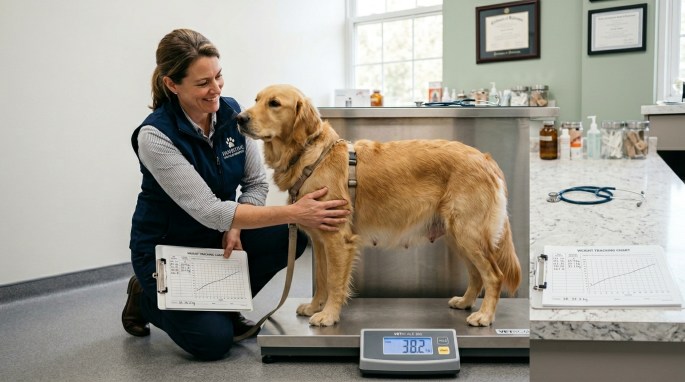
What Should Your Pregnant Dog Weigh Each Week?
Your pregnant dog's weight tells you whether whelping will go smoothly or head toward dystocia. Here is the week-by-week protocol: zero gain for 40 days, then steady 15 to 25 percent gain through whelping, and the red flags your vet needs to see.
[BLOG] Your bitch is about to whelp ? My 10 tips to relieve her from the associated stress ! (Part II)
Preparing for the birth of puppies is a crucial time for breeders and dog owners alike. This article offers invaluable advice for relieving stress in expectant dogs, ensuring a smoother whelping process. Discover practical tips on optimizing the environment with a properly prepared whelping box, the significance of maintaining cleanliness and quiet, and the importance of nutritional support during this demanding time. Our guidance is designed to support the dam's health and well-being, contributing to the successful delivery and care of her newborn puppies.
[BLOG] Canine parturition : at risk… or not ?
Exploring the risks of canine parturition, this blog post unveils the potential dangers associated with dog pregnancies and deliveries. A 2007 study on 1614 bitches highlighted a 13.7% occurrence of dystocia, leading to significant neonatal mortality rates. Factors such as breed, weight, parity, and previous dystocia are discussed for their impact on birthing outcomes. The post also emphasizes the importance of veterinary advances in early detection and management, aiming to optimize survival chances for puppies.

