
Choosing the right diet for animals in shelters is crucial to their health and wellbeing. This insightful blog explores essential nutritional considerations for shelter animals, emphasizing the importance of tailored diets that cater to the specific needs of each species. With a focus on both dogs and cats, the discussion includes practical advice on selecting quality food, understanding the vital nutrients required for optimal health, and the implications of dietary choices on the health outcomes of sheltered animals.
Tag: Kitten Growth
Insights into kitten development stages and ensuring optimal growth.
[BLOG] Apgar scores : how they can be used in shelters as well
Understanding the Apgar Score in Animal Shelters: This insightful blog explores the critical role of Apgar scores in assessing the health and vitality of newborn puppies and kittens in shelters. By providing a straightforward overview of the Apgar score's parameters - heart rate, respiration, reflex irritability, muscle tone, and color - the article highlights how this quick and efficient method can be a game-changer in improving neonatal care in a shelter environment.
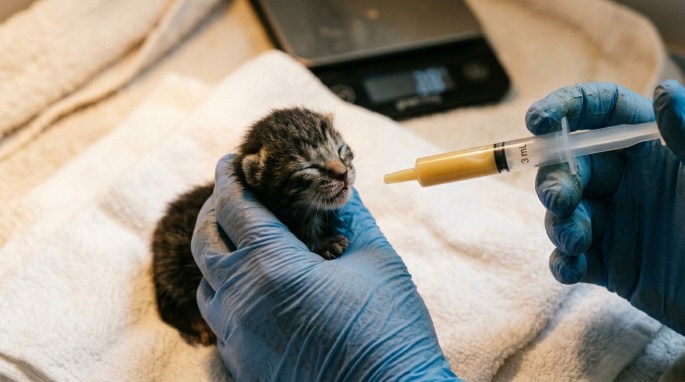
Colostrum and Kittens’ Immunity: What Every Cat Breeder Should Know About Passive Transfer
Understanding the pivotal role colostrum plays in the development of a kitten's immune system is crucial for breeders and cat owners alike. This blog highlights the essential benefits colostrum provides to newborn kittens, ensuring they kick off life with robust health. Colostrum, the first form of milk produced by the mother post-birth, is laden with antibodies and nutrients, vital for disease protection and overall growth. For kittens, the first hours after birth are critical; their ability to absorb these life-saving antibodies diminishes rapidly. Insights into ensuring kittens receive this vital nutrition, potential challenges in natural feeding, and the importance of timing for optimal immunity are provided.

White stools in newborn kittens/puppies: what does it mean ?
Concerned about white stools in newborn kittens/puppies? It signals malabsorption & can be lethal. Understand causes & treatments on our blog.
[BLOG] Cleft palates in dogs and cats: 21 facts breeders need to know Part II
Discover essential insights on cleft palates in dogs and cats with our comprehensive guide. This blog provides breeders with 21 critical facts about the condition, highlighting the importance of understanding genetic factors, identifying symptoms early, and the need for specialized care. Learn about the challenges and treatment options for puppies and kittens born with cleft palates, including surgical interventions and feeding strategies. Whether you are a seasoned breeder or new to the world of dog and cat breeding, this article offers valuable knowledge to ensure the well-being of affected newborns.
[BLOG] Weaning diarrhea in kittens: what I learnt this year at the NAVC
This post uncovers the intricate balance between nutrition and digestive health during weaning, offering practical solutions for breeders and cat owners. Learn about the impact of premature weaning and the simple yet effective measures to mitigate lactose intolerance symptoms in kittens, ensuring their smooth transition to solid foods.
[BLOG] Kitten season: is there still such a thing?
As springtime approaches, many pet enthusiasts wonder if the concept of "kitten season" still holds true. Traditionally marked by a surge in feline births, this phenomenon impacts animal shelters and rescue organizations significantly, presenting both challenges and opportunities. This blog explores the dynamics of kitten season, emphasizing its implications for cat welfare and the strategies employed by shelters to manage the influx. We highlight the critical role of spaying and neutering in controlling population growth and the importance of supporting local shelters during these peak times.
[BLOG] Feline upper respiratory diseases: 24 things you need to know concerning Feline Herpes Virus (aka FHV-1)
In the world of feline care, upper respiratory diseases pose significant health challenges, with Feline Herpes Virus (FHV-1) standing out as a prevalent cause. This comprehensive blog sheds light on 24 critical aspects of FHV-1, highlighting its nature as an alpha-herpesvirus specific to cats, with no risk to humans. It delves into the virus's modes of transmission, primarily through close contact via ocular, nasal, and oral secretions, and underscores the critical role of sanitation and hygiene in managing outbreaks. The post also addresses the virus's life-long impact on infected cats, including potential latency and stress-induced reactivation, which can lead to widespread shelter outbreaks.
[BLOG] Feline Upper Respiratory Tract Diseases: things to know to better control and prevent these diseases
Understanding Feline Upper Respiratory Tract Diseases is crucial for pet owners and breeders alike. These conditions, often highly contagious among cats, can range from mild to life-threatening. The blog explores symptoms to watch for, including sneezing, nasal discharge, and conjunctivitis, and emphasizes the importance of early detection and veterinary care. Preventative measures, such as vaccination and maintaining a clean environment, play a key role in controlling these diseases. Tailored towards those committed to the health and wellbeing of their cats, this resource provides essential insights into effectively managing and preventing the spread of upper respiratory tract diseases in felines.
[BLOG] Canine and feline reproduction: why (and how) assessing presentation of the neonates during parturition ?
Exploring the critical phases of canine and feline reproduction, this blog offers a comprehensive guide on assessing the presentation of neonates during parturition. Understanding the presentation, position, and posture of puppies and kittens at birth is pivotal for ensuring a healthy start to life. With practical advice for breeders, veterinarians, and pet enthusiasts, we unravel the complexities of birth processes in dogs and cats. Highlighting the importance of timely intervention and expert care, this article empowers readers with knowledge to support the wellbeing of mother and offspring during this crucial time.

