🇫🇷 Lire en Français | 🇪🇸Leer en Español | 🇧🇷Leia em português
Probiotics are often associated with digestion and immunity, but their role in breeding dogs goes far beyond that. In high-stress breeding environments, maintaining gut health is essential—not just for the mother but for her puppies as well. Chronic stress can disrupt the gut microbiota, leading to digestive issues, weakened immunity, and even reduced reproductive performance. That’s where probiotics step in. Supplementing breeding dogs with probiotics, particularly live yeast like Saccharomyces cerevisiae var. boulardii, can positively impact fertility, pregnancy outcomes, and neonatal health. Probiotics also serve as a non-pharmacological solution to prevent gastroenteric disorders in both mothers and their litters. By modulating gut bacteria, they help reduce stress-related dysbiosis and enhance antioxidant status, crucial for overall resilience. For breeders looking to optimize reproductive success and litter health, choosing the right probiotic strategy could make all the difference. But can human probiotics offer these benefits, or do dogs need a species-specific approach? Let’s dive in.
- What Are Probiotics and How Do They Work?
- Can Dogs Take Human Probiotics?
- Risks of Giving Your Dog a Human Probiotic?
- Best Probiotics for Dogs—What to Look For (Especially for Breeding Dogs)
What Are Probiotics and How Do They Work?

I remember the first time I heard colleagues swear probiotics for dogs. “It’s a game-changer,” they said, shaking their head like it was some kind of magic potion. At the time, I was skeptical—how could bacteria help breeding dogs with digestion, immune function, and even stress management? Bacteria were the bad guys, right? Turns out, I was way off.
Probiotics are live microorganisms—mostly beneficial bacteria and sometimes yeasts—that, when administered in adequate amounts, confer a health benefit on the host. In other words, they help maintain a balanced gut, which is critical for digestion, nutrient absorption, immune defense, and overall health. Most probiotics studied in both humans and animals belong to the lactic acid bacteria or Bifidobacteria families, but yeast-based probiotics like Saccharomyces boulardii bring another layer of benefits, especially for breeding dogs.
Why Gut Health Matters for Breeding Dogs
A dog’s digestive tract is like a bustling city. The good bacteria are the hardworking citizens keeping everything running smoothly—digesting food, producing essential vitamins, and keeping harmful bacteria in check. But when the balance shifts due to stress, diet changes, illness, or antibiotics, it’s like traffic jams, power outages, and general chaos. That is where probiotics can step in, restoring order and supporting gut health.
For breeding dogs, maintaining a strong and stable gut microbiota is critical.
The gut microbiota plays a key role in:
- Digesting and absorbing nutrients, which is essential during pregnancy and lactation
- Protecting against harmful pathogens, which is crucial for immune function in both the mother and her puppies
- Modulating inflammation and gut integrity, helping to prevent digestive upsets like diarrhea
The Science Behind Probiotics for Breeding Dogs
When probiotics enter the gut, they work in several ways:
- Competing with harmful bacteria for space and nutrients
- Producing beneficial metabolites like short-chain fatty acids (SCFAs) and antimicrobial peptides
- Strengthening the gut barrier to prevent leaky gut and infections
- Modulating the immune system, reducing inflammation, and enhancing the body’s ability to fight off pathogens
However, not all probiotics are created equal. Different strains provide different benefits, and for breeding dogs, strain selection is particularly important.
Why Yeast-Based Probiotics (Like S. boulardii) Are Great for Breeding Dogs
While bacteria-based probiotics like Lactobacillus acidophilus and Bifidobacterium are excellent for long-term gut balance, yeast-based probiotics—especially Saccharomyces boulardii—offer unique advantages that make them particularly valuable for pregnant and lactating dogs.
| Resistant to Antibiotics | Breeding dogs may require antibiotics during whelping, C-sections, or postpartum infections. Unlike bacterial probiotics, yeast probiotics are not affected by antibiotics, meaning they remain active in the gut even when antibiotics are in use. |
| Supports Gut Stability Without Disrupting Natural Flora | Since yeast probiotics are not part of the native microbiota, they do not compete with the dog’s normal gut bacteria. Instead, they act as temporary reinforcements, helping the gut recover from stress, diet changes, or medical treatments. |
| Superior Survival in Harsh Conditions | Yeast probiotics have high resistance to stomach acid and bile salts, ensuring they reach the intestines intact. They are also heat-stable, making them easier to store and use in commercial pet foods or supplements. |
| Prevents and Participate in the Treatment of Diarrhea | Saccharomyces boulardii neutralizes bacterial toxins from pathogens like Clostridium difficile and E. coli. It stimulates gut immunity, enhancing the gut barrier function and reducing the risk of diarrhea—an issue that can be particularly problematic in whelping bitches. |
| Modulates Inflammation and Supports Immunity | Yeast probiotics help reduce gut inflammation, which is especially beneficial for breeding dogs prone to digestive sensitivity or stress-related gut issues. They reinforce the tight junctions in the gut lining, preventing leaky gut syndrome, which can lead to immune dysfunction. |
| Enhances Maternal Programming (Influencing Puppy Health) | New research suggests that supplementing female dogs with Saccharomyces cerevisiae var. boulardii CNCM I-1079 (SB-1079) during pregnancy modulates the immunometabolic phenotype of puppies. This means it helps shape stronger immune and metabolic functions in newborns, setting the stage for better gut health in the next generation. |
| Helps Prevent Pathogenic Overgrowth | S. boulardii outcompetes harmful bacteria by producing antimicrobial peptides and modulating the gut environment. It prevents adhesion of dangerous bacteria like Salmonella and E. coli to the intestinal lining. |
| Produces Beneficial Metabolites | Some yeast strains produce short-chain fatty acids (SCFAs), which fuel gut cells and support digestion. They also contribute to vitamin synthesis, particularly B vitamins, improving metabolism and energy levels. |
When to Use Yeast-Based Probiotics in Breeding Dogs
- During antibiotic therapy, since bacterial probiotics may be killed
- For diarrhea prevention and treatment, especially antibiotic-associated diarrhea
- When breeding dogs show signs of gut inflammation or dysbiosis
- When stable storage and easy transport are required, as in commercial pet food formulations
When to Use Bacteria-Based Probiotics
- Restoring long-term gut microbiota balance after stress, antibiotics, or illness
- Supporting fermentation in the colon, aiding fiber digestion
- Providing strain-specific benefits, such as immune modulation or SCFA production
Probiotics are not a one-size-fits-all solution, but when used correctly, they can be a powerful tool for digestive health in breeding dogs. Yeast-based probiotics like Saccharomyces boulardii stand out for their resilience, antibiotic resistance, and effectiveness in treating diarrhea and gut inflammation—making them particularly useful for whelping and lactating bitches. Meanwhile, bacterial probiotics excel in long-term microbiome support and gut balance.
| Criteria | Yeast-Based Probiotics (e.g., Saccharomyces boulardii) | Bacteria-Based Probiotics (e.g., Lactobacillus, Bifidobacterium) |
| Resistance to Antibiotics | Yes – Not affected by antibiotics | No – Can be destroyed by antibiotics |
| Survival in Stomach Acid & Bile | High – Survives stomach acid and bile | Variable – Some strains survive, others don’t |
| Storage Stability | High – Heat-stable, no refrigeration needed | Moderate – Often requires refrigeration |
| Diarrhea Management | Very effective – Neutralizes bacterial toxins | Moderate – Supports gut microbiota balance |
| Modulation of Inflammation | Strong – Reduces gut inflammation | Variable – Some strains have anti-inflammatory effects |
| Pathogen Competition | Strong – Prevents pathogen adhesion | Moderate – Competes with pathogens |
| Microbiome Restoration | Limited – Acts transiently, does not colonize | Strong – Helps restore microbiome balance |
| Long-Term Gut Health Support | Moderate – Helps gut barrier function | Strong – Supports diverse gut bacteria |
| Use in Antibiotic Therapy | Ideal – Can be used with antibiotics | Limited – May be killed by antibiotics |
| Vitamin Production | Yes – Produces B vitamins | Yes – Some strains produce vitamins |
Can Dogs Take Human Probiotics?

Can Dogs Take Human Probiotics? A Special Focus on Breeding Dogs
I get this question all the time from dog owners who want the best for their pup’s gut health: “Can I just give my dog the probiotics I take?” It makes sense why people ask—after all, probiotics are probiotics, right? Well… not exactly. And when it comes to breeding dogs, the answer becomes even more complex.
Let’s break it down. Human probiotics are designed for humans—our microbiomes, diets, and digestive systems are different from those of dogs. While some bacterial strains, like Lactobacillus acidophilus, are found in both human and canine probiotics, dogs need strains that specifically support their gut environment. Bifidobacterium animalis and Enterococcus faecium, for example, play key roles in canine digestion but are rarely found in human probiotic blends. So while human probiotics might offer some benefits in a pinch, they are often missing what a dog’s gut truly needs—especially for breeding dogs, whose microbiota directly impacts their puppies.
The Unique Microbiome of Breeding Dogs
Breeding dogs have special microbiome needs.
Their gut health does not just affect them—it plays a crucial role in maternal imprinting, the process where puppies inherit their mother’s microbiota. This transfer happens through direct contact with feces, milk, and the birth canal, shaping the puppy’s gut from day one. A mother with an imbalanced microbiota can pass on dysbiosis, increasing her puppies’ risk for digestive and immune issues.
Here is why microbiota specificity matters in breeding dogs:
| Different bacterial compositions | While Firmicutes, Bacteroidetes, and Proteobacteria are dominant in both humans and dogs, their proportions vary significantly. Even within dog breeds, microbiota differences exist. |
| Variation along the gastrointestinal tract | The small intestine favors aerobic and facultative anaerobic bacteria, while the colon is dominated by anaerobic bacteria. |
| Breed and size influence | Large-breed and small-breed dogs can have different gut microbiota compositions, even before birth. |
| Maternal diet matters | A breeding female’s microbiome is influenced by her nutrition, stress levels, and previous reproductive history. |
| Dysbiosis risks | Reduced gut biodiversity can lead to inflammatory bowel disease, malabsorption issues, and weakened immune defenses. |
Specificity is Key
When choosing a probiotic for dogs, strain specificity is key – and here is an example.
We already talked about Saccharomyces boulardii and how interesting this one is, especially for breeding dogs. That being said, it is VERY important to keep in mind that not all Saccharomyces boulardii strains function the same way. Each strain has unique properties that determine its impact on gut health, which is why documented probiotic effects depend entirely on the specific strain used. This is particularly relevant in veterinary applications, where studies have tested different strains in dogs to evaluate their effectiveness.
For example, Saccharomyces cerevisiae var. boulardii CNCM I-1079 was studied in pregnant and lactating bitches, administered at 1.3 × 10⁹ CFU per day to assess its influence during this critical period. Meanwhile, Saccharomyces cerevisiae DSM 34246 was tested in adult dogs, supplemented at 5 × 10⁹ CFU/kg of feed to examine its effects on gut health. While both are SB strains, their applications and expected benefits differ based on their unique properties and intended use.
This distinction is even more evident when comparing canine and human probiotics. Some human studies reference Saccharomyces boulardii CNCM I-745, which has been used in trials for diarrhea-dominant irritable bowel syndrome. However, this does not mean that CNCM I-745 would have the same effects in dogs, just as SB-1079 may not perform the same in humans. The taxonomic differences between strains have been confirmed through genetic sequencing techniques, showing that even within S. boulardii, there are clear genetic variations that can influence how a strain interacts with its host.
This is why simply picking any probiotic labeled Saccharomyces boulardii is not enough—it must be the right strain for the right species and health goal. While S. cerevisiae and its boulardii variety have widespread applications in both human and animal health, their benefits are not interchangeable. When selecting a probiotic for dogs, it’s essential to use strains specifically studied for canine physiology, ensuring optimal effectiveness and safety.
If you are in a pinch, a small dose of a high-quality human probiotic probably will not hurt. But for long-term gut health, especially in breeding dogs, a probiotic designed for dogs is the best choice. The right probiotic does not just improve digestion—it strengthens immunity, enhances maternal health, and gives puppies a healthy microbiome from birth.
Your breeding dog’s belly, and their puppies, will thank you.
Risks of Giving Your Dog a Human Probiotic?

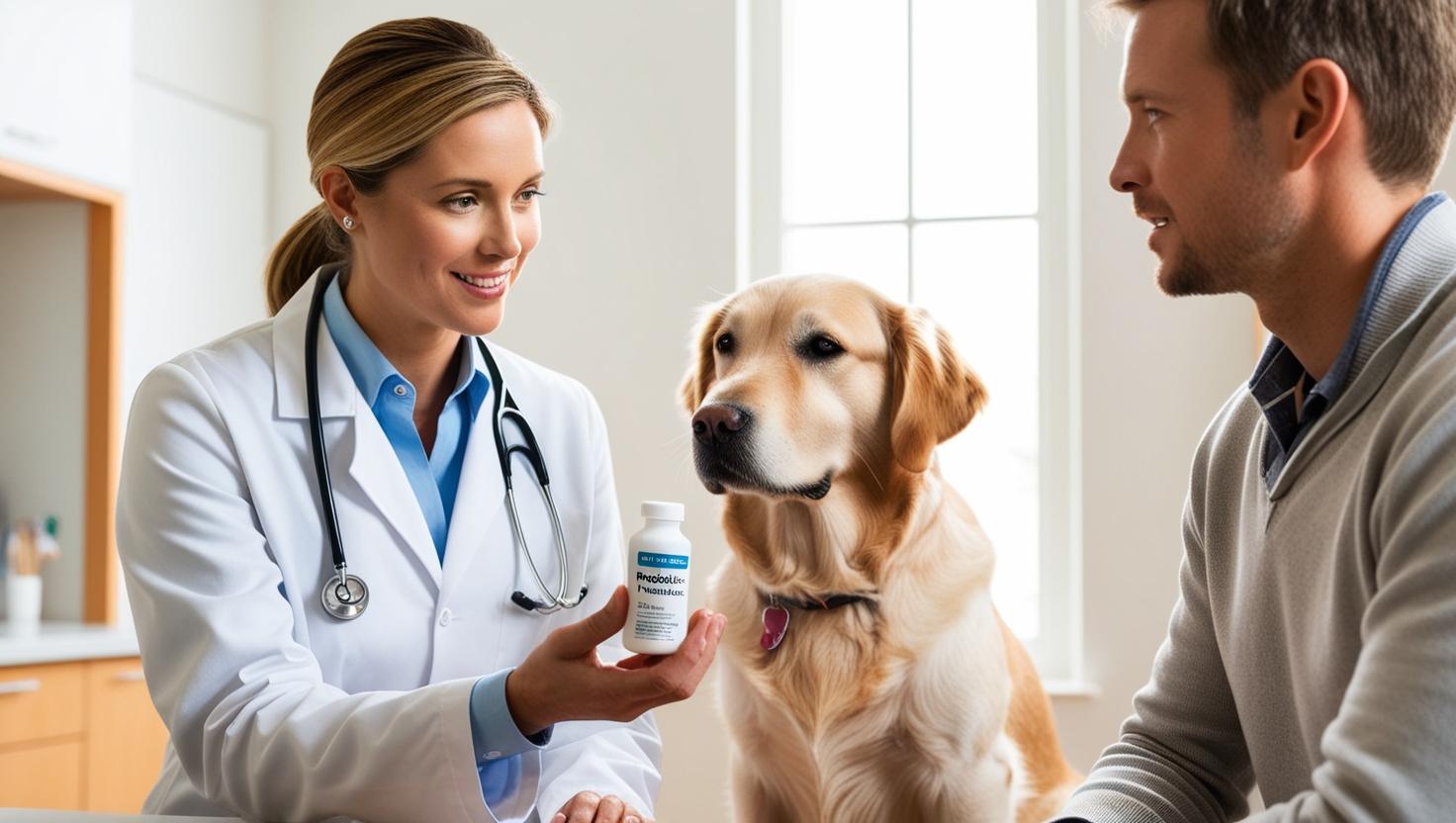
Look, I get it. You want the best for your dog, and maybe you’ve heard that probiotics can support digestion, boost immunity, or even help with allergies. If you’re already taking a probiotic yourself, it’s easy to think, why not share the benefits with my pup? But here’s the deal—giving your dog a human probiotic isn’t as harmless as it sounds. In fact, it can cause more harm than good, especially for breeding dogs and puppies, whose microbiomes are still developing.
The Bacteria May Not Be Beneficial for Dogs
Human probiotics are designed for human bodies.
While our gut microbiomes share some similarities with dogs, there are key differences in the abundance of bacterial groups like Firmicutes, Bacteroidetes, and Proteobacteria. The strains that support a healthy gut in people aren’t necessarily effective—or even safe—for dogs. Some may pass through the digestive system without doing much, while others could disrupt your dog’s gut flora, leading to diarrhea, bloating, or vomiting.
For breeding dogs, this imbalance could affect nutrient absorption, pregnancy outcomes, and even milk quality for newborns.
Strain-Specific Effects Matter
Not all probiotics are created equal. The effectiveness of probiotics is strain-specific, meaning that even if a certain strain works well for humans, it doesn’t guarantee the same results in dogs.
Mismatching strains can lead to inefficiency or unintended health issues. In breeding dogs, where gut health directly impacts reproductive success and puppy development, selecting the right species-specific probiotic is even more critical.
Dosage Differences Can Lead to Issues
Human probiotics are formulated for, well… humans.
A standard dose meant for an adult person may be far too strong for a 30-pound (13.6 kg) dog, let alone a small breed or a developing puppy. Even if the bacterial strain itself is safe, too much of it can cause bloating, discomfort, and even Small Intestinal Bacterial Overgrowth—a condition that leads to chronic digestive issues.
For pregnant or nursing dogs, an imbalanced gut can affect milk composition, which can then alter the microbiome development of newborn puppies.
Gut Dysbiosis and Inflammation
A healthy microbiome is diverse and balanced. But when the wrong probiotics are introduced, it can lead to dysbiosis, a condition where beneficial bacteria are reduced, and harmful bacteria take over.
This imbalance has been linked to inflammatory bowel disease, chronic diarrhea, and even skin conditions. In breeding dogs, gut inflammation can weaken the immune system, making both the mother and her puppies more susceptible to infections.
Increased Risk of Antibiotic Resistance
One overlooked risk of using non-species-specific probiotics is their potential impact on antibiotic resistance. Some human probiotic strains have been found to carry antibiotic-resistant genes, which could increase the risk of antimicrobial resistance in dogs. This is especially concerning in breeding programs, where managing infections safely is critical. Overuse of probiotics that haven’t been studied in dogs could unintentionally promote resistance, making future infections harder to treat.
Breed-Specific Differences in Gut Microbiota
Believe it or not, gut microbiota varies by breed—even before birth.
Some breeds are naturally predisposed to certain digestive conditions, while others have unique microbiome compositions that require specialized dietary support. A one-size-fits-all approach—especially one based on human supplements—doesn’t work.
Probiotics Won’t Fix an Underlying Issue
A lot of pet owners (and breeders) turn to probiotics when they see digestive issues, thinking it’s a quick fix. But chronic diarrhea, gas, or bloating could signal more serious conditions—food allergies, infections, parasites, or even pancreatitis. Giving your dog a random probiotic (especially a human one) without addressing the root cause can delay proper diagnosis and treatment. If you’re noticing ongoing digestive issues in your breeding dog, a vet visit should always be the first step.
What Should You Do Instead?
If you want to support your dog’s gut health—especially in breeding dogs and puppies—choose a probiotic formulated specifically for canines.
Look for strains that have been scientifically tested for dogs, such as:
- Enterococcus faecium – Supports digestion and boosts immune function
- Bacillus coagulans – Helps with diarrhea and overall gut balance
- Lactobacillus animalis – Aids in nutrient absorption
And remember, before giving any probiotic—even a dog-specific one—talk to your veterinarian. They can help determine the right strain, dosage, and duration based on your dog’s age, breed, and health status.
Best Probiotics for Dogs—What to Look For (Especially for Breeding Dogs)

If you’ve ever had a dog with digestive issues, you know the struggle. One minute, they’re fine. The next? Diarrhea, gas, bloating—sometimes all at once (and usually on your nicest rug). That’s when a lot of dog owners start looking into probiotics. But not all probiotics are created equal, and the last thing you want is to spend money on a supplement that does absolutely nothing.
And if you’re dealing with breeding dogs, probiotics aren’t just about digestion—they can play a critical role in maternal health, puppy development, and even stress reduction. The right probiotic can support a mother dog’s gut microbiota, improve colostrum quality, and set puppies up for a healthier start in life.
So, how do you choose the best probiotic for your dog, whether a pet or a breeding dog? Here’s what I’ve learned from years of working with breeders, veterinarians, and pet owners dealing with gut health problems in dogs.
Look for Dog-Specific Strains
Not all probiotics are created equal, and dogs have their own unique gut microbiome. Using human probiotics won’t give the same benefits. Some of the best strains for dogs include:
- Enterococcus faecium – Helps maintain gut balance, especially during stress.
- Bacillus coagulans – A spore-forming probiotic that survives stomach acid and supports digestion.
- Lactobacillus acidophilus – Supports nutrient absorption and immune function.
- Bifidobacterium animalis – Improves stool quality and overall gut health.
For breeding dogs, one standout probiotic is Saccharomyces boulardii (SB-1079), a yeast-based probiotic that:

- Supports gut health by improving the gut barrier and stabilizing microbiota.
- Boosts colostrum quality by increasing its energy content and protein concentration.
- Reduces the risk of low birth weight in puppies, improving their chances of survival.
- Modulates the immune response, reducing unnecessary inflammation and supporting vaccine effectiveness.
If a probiotic doesn’t list its strains or only includes vague bacteria like “Lactobacillus spp.,” skip it. Transparency matters.
CFUs Matter—But More Isn’t Always Better
CFU, or colony-forming units, refers to the number of live bacteria or yeast present in each dose of a probiotic. You’ll often see values like 1 billion, 5 billion, or even 50 billion CFUs per serving, but bigger numbers don’t always mean better results.
For most dogs, an optimal range falls between 1-10 billion CFUs per dose, with higher amounts mainly benefiting specific conditions—particularly breeding females, where gut stability plays a key role during pregnancy and lactation.
Studies have examined CFU recommendations for Saccharomyces boulardii (SB) in female dogs, revealing that supplementation during late gestation and lactation can positively impact gut health.
One study used Saccharomyces cerevisiae var. boulardii CNCM I-1079 (SB-1079) at 1.3 × 10⁹ CFU per day, given in two capsules. Each dam received one capsule in the morning and another in the evening throughout the latter part of pregnancy and lactation.
In a different trial, a supplement containing S. boulardii at 1 × 10⁹ CFU/kg of feed was administered daily for 35 consecutive days, showing its potential benefits in maintaining gut health.
While probiotic needs vary, these findings highlight that moderate but consistent dosing of S. boulardii may support reproductive and digestive health in breeding females.
Survival in the Gut Is Key
Many probiotics die before they even reach the intestines, thanks to stomach acid.
That’s why it’s important to choose probiotics with protective coatings or spore-forming bacteria like Bacillus coagulans or Saccharomyces boulardii.
For breeding dogs, Saccharomyces boulardii. supplementation has been shown to stabilize gut microbiota and improve immune response in both the mother and puppies. It also reduces harmful bacteria like Proteus spp. and Mycoplasma spp., which can contribute to neonatal health problems.
Why Probiotics Matter Even More for Breeding Dogs
Breeding dogs go through huge physiological changes that impact gut health. Stress, pregnancy, whelping, and lactation can all affect the microbiome.
| Gut health and stress reduction | Chronic stress can lead to digestive upset, diarrhea, and weakened immunity—common in breeding environments. Saccharomyces boulardii supplementation has been shown to reduce stress by lowering cortisol levels and stabilizing gut bacteria. |
| Immune support for puppies | Probiotics like Saccharomyces boulardii and Lactobacillus can modulate immune response, helping puppies develop stronger immunity without unnecessary inflammation. |
| Better perinatal outcomes | Saccharomyces boulardii supplementation improves energy metabolism, reducing the risk of low-birth-weight puppies, which are more vulnerable to hypoxia and hypothermia. |
Bottom Line: Choose Quality Over Hype
Probiotics can do wonders for a dog’s digestive and immune health, but only if you choose the right one.
For pet dogs, look for:
– Dog-specific strains
– 1-10 billion CFUs
– Proven survivability
For breeding dogs, go a step further with:
– Saccharomyces boulardii for maternal gut health and puppy development
– Probiotics with immune-modulating effects
– Strains that reduce harmful bacteria and support colostrum quality
And if your dog has chronic stomach issues—or you’re planning a breeding program—don’t guess. Talk to your vet.
Because when it comes to gut health, doing it right the first time is a whole lot easier than cleaning up the mess later.
While human probiotics aren’t necessarily toxic to dogs, they aren’t the best option for your pup’s digestive health. Canine-specific probiotics are formulated to suit a dog’s microbiome, ensuring safety and effectiveness. If your dog has digestive issues, consult a veterinarian before introducing probiotics to their diet.

 DR. EMMANUEL FONTAINE
Can I use this for my pregnant bitch as I can’t find any pertaining especially for dogs. Janice.Sent from my Galaxy
LikeLike
Can you recommend a brand of probiotics to give to pregnant bitches and my other dogs. I have 11 oes age 14 to 9mths.
LikeLike