
Understanding the capacity of care in animal shelters is crucial for ensuring the health and well-being of animals awaiting adoption. This insightful blog explores the mathematical framework behind managing shelter capacities effectively. By analyzing factors such as space, resources, and staff, we provide actionable strategies for shelters to optimize their operations and improve animal care. Highlighting the importance of vaccinations, deworming, and proper nutrition, the post offers a comprehensive guide for shelter managers and animal welfare advocates.
Category: Cat Breeding
Dive into the world of cat breeding. This section provides essential insights into selecting mates, understanding feline genetics, and ethical breeding practices. Perfect for breeders at any level aiming to enhance breed standards and contribute positively to the health and diversity of cats.
[BLOG] Minutes from the 1st Royal Canin International Shelter Convention : 5 tips on infectious diseases management
Discover key insights from the 1st Royal Canin International Shelter Convention, focused on managing infectious diseases in animal shelters. This blog highlights five critical tips for shelters to prevent and control infections, ensuring the health and wellbeing of their animals. From the importance of rigorous sanitation practices to the role of vaccinations and understanding the spread of diseases like Parvo and Upper Respiratory Infection, these guidelines are essential for anyone involved in animal care. Whether you're a shelter worker or a pet owner, learn how to create a safer environment for both dogs and cats, enhancing their chances for a healthy, happy life.
[BLOG] Which diet(s) for your animal shelter ?
Choosing the right diet for animals in shelters is crucial to their health and wellbeing. This insightful blog explores essential nutritional considerations for shelter animals, emphasizing the importance of tailored diets that cater to the specific needs of each species. With a focus on both dogs and cats, the discussion includes practical advice on selecting quality food, understanding the vital nutrients required for optimal health, and the implications of dietary choices on the health outcomes of sheltered animals.
[BLOG] Apgar scores : how they can be used in shelters as well
Understanding the Apgar Score in Animal Shelters: This insightful blog explores the critical role of Apgar scores in assessing the health and vitality of newborn puppies and kittens in shelters. By providing a straightforward overview of the Apgar score's parameters - heart rate, respiration, reflex irritability, muscle tone, and color - the article highlights how this quick and efficient method can be a game-changer in improving neonatal care in a shelter environment.
[BLOG] Nutrition in animal shelters: about dietary transition and its importance
Understanding the critical importance of dietary transition in animal shelters is essential for the well-being of both cats and dogs. This blog explores the challenges and strategies associated with changing diets in a shelter environment, emphasizing the need for careful management to prevent gastrointestinal issues. Transitioning diets can significantly impact an animal's health, influencing everything from digestive health to nutrient absorption.
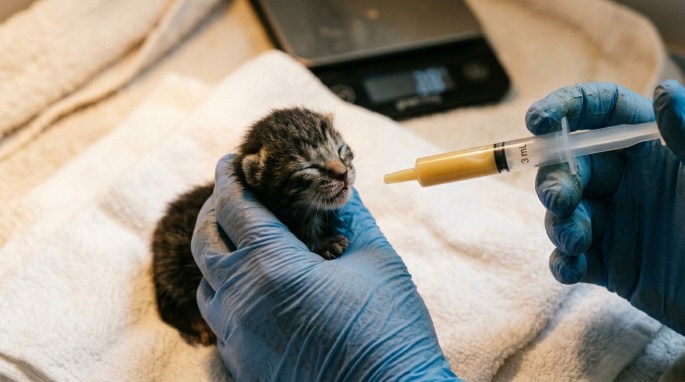
Colostrum and Kittens’ Immunity: What Every Cat Breeder Should Know About Passive Transfer
Understanding the pivotal role colostrum plays in the development of a kitten's immune system is crucial for breeders and cat owners alike. This blog highlights the essential benefits colostrum provides to newborn kittens, ensuring they kick off life with robust health. Colostrum, the first form of milk produced by the mother post-birth, is laden with antibodies and nutrients, vital for disease protection and overall growth. For kittens, the first hours after birth are critical; their ability to absorb these life-saving antibodies diminishes rapidly. Insights into ensuring kittens receive this vital nutrition, potential challenges in natural feeding, and the importance of timing for optimal immunity are provided.
[BLOG] Nutrition in animal shelters: the importance of food storage !
In animal shelters, proper food storage is critical for ensuring the health and wellbeing of dogs and cats. This blog explores essential tips and strategies for managing nutrition in shelter environments, highlighting the significance of maintaining food quality to prevent nutritional deficiencies and foodborne illnesses. Discover how implementing robust food storage practices can lead to healthier, happier animals ready for adoption. We cover everything from the selection of appropriate food containers to the importance of a clean storage area, providing actionable advice for shelters looking to improve their nutrition management.
[BLOG] Nutrition in animal shelters: beware of the “cup mistake” !
Ensuring consistent and optimal nutrition in animal shelters is crucial for the health and wellbeing of both dogs and cats. This blog explores the importance of maintaining a stable diet for shelter animals to support their growth, immune system, and overall health. With a focus on the unique nutritional needs of shelter pets, it highlights strategies for implementing a consistent feeding regimen that caters to the varied dietary requirements of different breeds and life stages
[BLOG] Nutrition in animal shelters: the consistency principle
Ensuring consistent nutrition in animal shelters is crucial for the health and well-being of resident cats and dogs. This blog explores the significant impact of stable dietary practices on animal health, focusing on the key aspects of nutritional consistency. By highlighting the challenges shelters face in providing balanced meals and the solutions to overcome these, we underscore the importance of dietary planning and execution. Understanding the nutritional needs of shelter animals can lead to improved health outcomes, supporting their journey towards adoption.
[BLOG] Weaning diarrhea in kittens: what I learnt this year at the NAVC
This post uncovers the intricate balance between nutrition and digestive health during weaning, offering practical solutions for breeders and cat owners. Learn about the impact of premature weaning and the simple yet effective measures to mitigate lactose intolerance symptoms in kittens, ensuring their smooth transition to solid foods.

