
Discover key insights from the 1st Royal Canin International Shelter Convention, focused on managing infectious diseases in animal shelters. This blog highlights five critical tips for shelters to prevent and control infections, ensuring the health and wellbeing of their animals. From the importance of rigorous sanitation practices to the role of vaccinations and understanding the spread of diseases like Parvo and Upper Respiratory Infection, these guidelines are essential for anyone involved in animal care. Whether you're a shelter worker or a pet owner, learn how to create a safer environment for both dogs and cats, enhancing their chances for a healthy, happy life.
Tag: Parvo
Preventing and treating Parvovirus, a serious viral disease affecting dogs.
[BLOG] 12 interesting facts about parvo in shelters
Parvovirus, commonly known as Parvo, poses a significant threat to dogs, especially in shelter environments. This highly contagious viral disease can lead to severe gastrointestinal issues and, if left untreated, can be fatal. Our latest blog highlights 12 essential facts about Parvo, including its transmission methods, symptoms, and the critical role of vaccination and sanitation in prevention. Understanding these aspects is vital for anyone involved in dog care, particularly in shelters, to protect these vulnerable animals from such a devastating disease.
[BLOG] The compulsive “animal petter”: why it is a threat & how to prevent this in shelters
Understanding the dangers of compulsive petting in animal shelters is essential for maintaining a safe and stress-free environment for animals awaiting adoption. This blog explores how excessive handling can negatively impact pets, particularly those that are already under stress due to their shelter surroundings. It emphasizes the need for creating awareness among visitors and volunteers, highlighting practical strategies for prevention. The piece underscores the importance of training and setting boundaries to ensure that interactions between humans and shelter animals are both positive and health-promoting. By prioritizing the well-being of pets, shelters can significantly improve their chances of successful adoption and long-term animal health.
[BLOG] Not only for dogs: CPV-2c
The article sheds light on CPV-2c, a strain initially identified in Italy in 2000, which has since become a significant concern worldwide, including in North America. Notably, CPV-2c doesn't just affect dogs but can also infect cats, causing similar symptoms to those seen in panleukopenia. This revelation emphasizes the importance of awareness and vaccination, as current vaccines and diagnostic tests remain effective against this strain.
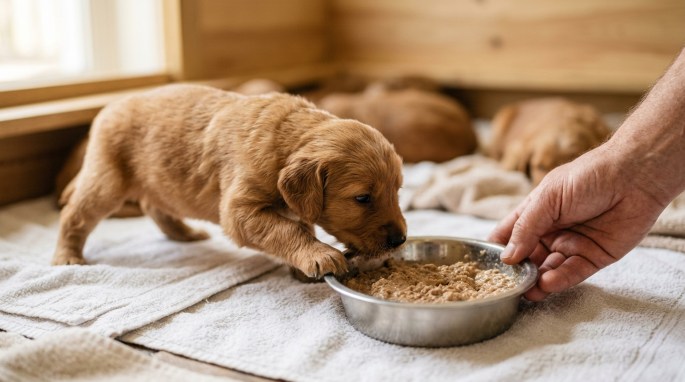
Why Does Weaning Diarrhea Happen in Puppies?
Weaning diarrhea is a predictable microbiome transition event, not a failure. Pancreatic enzymes mature by week 8, gut bacteria reset over 2 to 3 weeks, and 75% of puppies carry 2 or more pathogens simultaneously. A 7-day gradual food transition, targeted probiotics, and fecal PCR testing at week 5 or 6 transform reactive troubleshooting into proactive support.
[BLOG] Shelter Sanitation : apply the “clean to dirty” principle
Managing infectious diseases in animal shelters presents a unique challenge due to the constant influx of new animals with unknown medical histories. The "clean to dirty" principle, borrowed from the food industry, offers a straightforward yet effective strategy to mitigate this risk. By organizing shelter operations to start with the most vulnerable or healthiest animals and move towards those most likely to spread disease, shelters can significantly reduce the risk of outbreaks. This approach not only prioritizes the health and well-being of the animals but also streamlines cleaning efforts, making it a critical practice for any shelter aiming to control infectious diseases effectively.

