Navigate the challenge of eliminating parvo from your yard and in other outdoor spaces! Get tips on immunity and easy prevention methods!


The importance of sanitation in breeding facilities to prevent disease and ensure well-being.
Navigate the challenge of eliminating parvo from your yard and in other outdoor spaces! Get tips on immunity and easy prevention methods!

Learn key steps for caring for a kitten's umbilical cord after birth. Essential tips to ensure it falls off safely and promotes newborn kitten health.

Explore the nuances of newborn puppy care, focusing on the importance of gentle touch and safety precautions for their well-being.
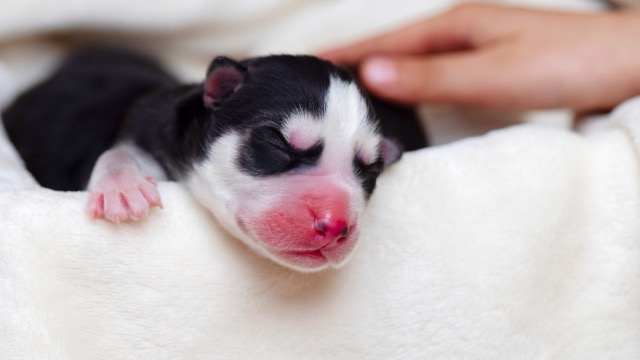
In my latest blog, explore the the complexities of Fading Puppy Syndrome. Understand it's not just a disease but a multifaceted condition with diverse triggers. With today's unparalleled knowledge and proactive care strategies, we can reshape the narrative for at-risk puppies.
In veterinary neonatology, the 'Mother-Newborn-Environment' triad is crucial. Bacterial infections, like ophtalmia, can originate from the mother or the environment. Mothers can transfer bacteria to newborns through licking or nursing, especially if oral health or mastitis is a concern. The environment can also act as a germ reservoir. To prevent these infections, focus on the mother's oral health, daily assess mammary glands, disinfect the umbilical stump, and maintain a clean environment. Ensuring colostrum intake in newborns is also vital for their immune function. These measures can significantly reduce neonatal bacterial infections in puppies and kittens.

Coccidiosis is a significant health threat for newborn puppies, caused by the parasite Coccidia. Effective prevention and early detection are key to managing this infectious disease, which can severely affect the digestive health of young dogs. Learn about the essential strategies to anticipate and mitigate the risk of Coccidiosis in kennels, emphasizing the importance of strict sanitation practices and proactive health measures.
Understanding Parvo in Dogs: This blog provides essential insights into Canine Parvovirus, a highly contagious viral disease that can be fatal if left untreated. Learn about the symptoms, modes of transmission, and preventive strategies to protect your puppies. The importance of early vaccination and maintaining strict hygiene standards are also discussed.
Managing a kennel or cattery involves understanding the critical factors that ensure the health and wellbeing of dogs and cats in your care. This guide highlights the "Big 3" elements essential for the successful operation of these facilities: sanitation, vaccination, and nutrition. Explore how maintaining cleanliness prevents disease spread, why regular vaccinations are crucial, and the importance of balanced nutrition for both puppies and kittens.
Transporting kittens safely is crucial for their wellbeing and development. This guide provides essential tips for cat owners and breeders to ensure their kittens' journey is comfortable and stress-free. Learn about the right age for transport, the importance of proper nutrition, and how to prepare a travel-friendly environment.
Adopting from animal shelters brings joy but also the responsibility of preventing infectious diseases. This blog highlights essential measures to ensure the health and wellbeing of shelter animals, emphasizing the critical role of effective vaccination and deworming protocols. Learn about managing and preventing common diseases like parvo, giardia, and upper respiratory infections in a shelter setting. Our focus on robust sanitation practices will help you maintain a disease-free environment, safeguarding the health of both the animals and the community. These strategies not only contribute to the animals' immediate health but also enhance their adoptability and long-term wellbeing.

