
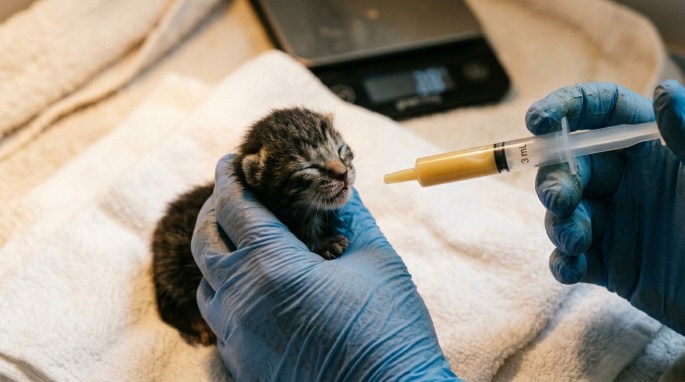
Fading Puppy and Kitten Syndrome represents a significant concern for breeders and pet owners alike, striking the most vulnerable pets during their first weeks of life. This syndrome encompasses a range of symptoms leading to the early demise of newborn puppies and kittens, often without a clear warning. Understanding the causes, from infectious diseases to environmental stressors, is crucial for prevention and effective intervention. Nutrition, proper care, and timely veterinary support play pivotal roles in safeguarding the health of these young pets. Our comprehensive guide explores strategies to identify early signs and implement preventative measures, aiming to reduce the incidence of this heartbreaking condition.
My Last Posts
Colostrum and Kittens’ Immunity: What Every Cat Breeder Should Know About Passive Transfer
Understanding the pivotal role colostrum plays in the development of a kitten's immune system is crucial for breeders and cat owners alike. This blog highlights the essential benefits colostrum provides to newborn kittens, ensuring they kick off life with robust health. Colostrum, the first form of milk produced by the mother post-birth, is laden with antibodies and nutrients, vital for disease protection and overall growth. For kittens, the first hours after birth are critical; their ability to absorb these life-saving antibodies diminishes rapidly. Insights into ensuring kittens receive this vital nutrition, potential challenges in natural feeding, and the importance of timing for optimal immunity are provided.
[BLOG] Timing of ovulation in canines: 3 take-away messages from our previous webinar
Understanding the timing of ovulation in canines is crucial for successful dog breeding. Our recent webinar highlighted three key messages that every breeder should know. First, accurately identifying the ovulation period significantly increases the chances of conception. This process involves monitoring hormonal changes, specifically progesterone levels, to predict the optimal breeding time. Second, employing the right tools and techniques for ovulation detection can streamline the breeding process, ensuring breeders make informed decisions. Lastly, we emphasized the importance of veterinary involvement for health assessments and guidance throughout the breeding cycle. This knowledge is vital for optimizing breeding strategies and enhancing the reproductive success of your breeding program.
[BLOG] Nutrition in animal shelters: the importance of food storage !
In animal shelters, proper food storage is critical for ensuring the health and wellbeing of dogs and cats. This blog explores essential tips and strategies for managing nutrition in shelter environments, highlighting the significance of maintaining food quality to prevent nutritional deficiencies and foodborne illnesses. Discover how implementing robust food storage practices can lead to healthier, happier animals ready for adoption. We cover everything from the selection of appropriate food containers to the importance of a clean storage area, providing actionable advice for shelters looking to improve their nutrition management.
[BLOG] Nutrition in animal shelters: beware of the “cup mistake” !
Ensuring consistent and optimal nutrition in animal shelters is crucial for the health and wellbeing of both dogs and cats. This blog explores the importance of maintaining a stable diet for shelter animals to support their growth, immune system, and overall health. With a focus on the unique nutritional needs of shelter pets, it highlights strategies for implementing a consistent feeding regimen that caters to the varied dietary requirements of different breeds and life stages
[BLOG] Nutrition in animal shelters: the consistency principle
Ensuring consistent nutrition in animal shelters is crucial for the health and well-being of resident cats and dogs. This blog explores the significant impact of stable dietary practices on animal health, focusing on the key aspects of nutritional consistency. By highlighting the challenges shelters face in providing balanced meals and the solutions to overcome these, we underscore the importance of dietary planning and execution. Understanding the nutritional needs of shelter animals can lead to improved health outcomes, supporting their journey towards adoption.
[BLOG] Canine distemper: 19 facts you should know when you work in a shelter
Canine distemper is a highly contagious viral disease that poses a serious threat to dogs, especially in shelter environments where it can spread rapidly. This comprehensive blog post presents 19 essential facts about canine distemper, aimed at those working in or associated with animal shelters. Learn about the symptoms, transmission, and prevention strategies to safeguard the well-being of dogs under your care. Understand the critical role of vaccination and the challenges of managing outbreaks in shelter conditions. With practical advice and expert insights, this guide is an indispensable resource for enhancing disease management and promoting a healthier, safer environment for dogs in shelters.

White stools in newborn kittens/puppies: what does it mean ?
Concerned about white stools in newborn kittens/puppies? It signals malabsorption & can be lethal. Understand causes & treatments on our blog.
[BLOG] Cleft palates in dogs and cats: 21 facts breeders need to know Part II
Discover essential insights on cleft palates in dogs and cats with our comprehensive guide. This blog provides breeders with 21 critical facts about the condition, highlighting the importance of understanding genetic factors, identifying symptoms early, and the need for specialized care. Learn about the challenges and treatment options for puppies and kittens born with cleft palates, including surgical interventions and feeding strategies. Whether you are a seasoned breeder or new to the world of dog and cat breeding, this article offers valuable knowledge to ensure the well-being of affected newborns.
[BLOG] Weaning puppies: what stools can tell…
In the crucial stages of puppy development, understanding the signs from their stools is key to ensuring optimal health. This comprehensive guide offers insights into the weaning process of puppies, highlighting how changes in their stools can signal important health issues or progress. It covers essential aspects of dog nutrition, the transition from mother's milk to solid food, and the role of puppy milk replacer in this pivotal period. With a focus on maintaining the digestive health of weaning puppies, the blog provides valuable tips on monitoring stool consistency, color, and frequency.

