Learn how to care for your lactation cat with essential tips on nutrition, health monitoring, and environment management to ensure a healthy queen and kittens.


Information on managing cat pregnancy, including health care and nutritional needs.
Learn how to care for your lactation cat with essential tips on nutrition, health monitoring, and environment management to ensure a healthy queen and kittens.

Raising newborn kittens often presents challenges, particularly when a natural source of mother’s milk is unavailable. This blog explores the essential knowledge and tools needed in these situations. You’ll learn why you need a nutritional solution that closely mimics the mother cat’s milk and the crucial accessories that streamline the feeding process.

Discover how melatonin transforms cat heat management, offering safe, reversible control for cat breeders. In this blog, uncover strategies to harness melatonin's full potential.
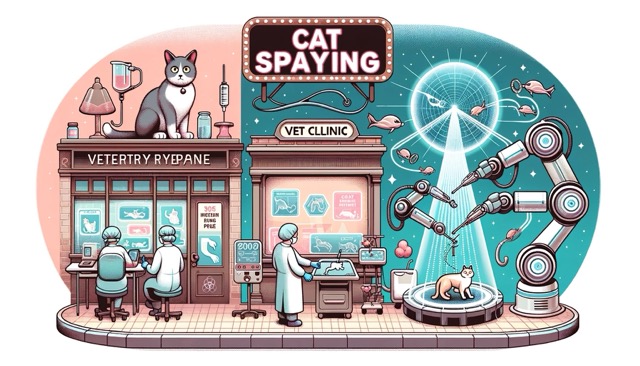
Explore the benefits and potential risks of spaying female cats. From preventing mammary tumours and enhancing behaviour to increasing feline longevity, spaying offers numerous advantages. However, understanding the procedure, its side effects, and recovery is crucial. Discover the latest in cat spaying and innovative medical alternatives in our in-depth blog.

Boost your dog and cat breeding success with actionable dashboards. Dive deep into fertility, understand the challenges of dystocia, and champion the survival of newborn puppies and kittens. Armed with benchmarks and expert insights, embark on a path to achieve the best in breeding. Your guide to ensuring a thriving future generation awaits.
Explore the concept of 'dream outcomes' tailored for dog and cat breeders. Dive deep into health, wealth, and relationships as guiding pillars.
Are you curious about the practice of placentophagy in pets? Does it bring benefits or risks to our furry friends? As a veterinarian, I've explored this complex issue, weighing the pros and cons based on scientific literature and personal experience. The findings might surprise you. Join me in this blog post as we navigate this intriguing topic. Your perspective could be a valuable addition to this ongoing discussion!

🇫🇷 Lire en Français | 🇪🇸 Leer en Español |🇧🇷 Leia em português Picture Emily, a woman of vibrant spirit and compassionate heart, and the proud owner of a kitten named Orion. With his ocean-blue eyes and snow-white fur, Orion had nestled his way into Emily’s life, filling it with a warmth she didn’t know … Continue reading From Meows to Roars: Decoding the Secrets of Feline Puberty (2023)

As veterinarians and breeders, we are responsible for ensuring the health and wellbeing of our animal companions, particularly in the area of small animal reproduction. However, we must remain cautious when interpreting research findings, as conflicting data and limited information can make it challenging to draw conclusions about best practices. In addition, there are numerous challenges facing small animal reproduction, from infectious diseases to the emotional toll that unsuccessful breeding attempts can take on pet owners and breeders alike. By prioritizing animal welfare, staying informed on emerging reproductive technologies, and working together to address these challenges, we can continue to improve the health and longevity of our animal companions.
In veterinary neonatology, the 'Mother-Newborn-Environment' triad is crucial. Bacterial infections, like ophtalmia, can originate from the mother or the environment. Mothers can transfer bacteria to newborns through licking or nursing, especially if oral health or mastitis is a concern. The environment can also act as a germ reservoir. To prevent these infections, focus on the mother's oral health, daily assess mammary glands, disinfect the umbilical stump, and maintain a clean environment. Ensuring colostrum intake in newborns is also vital for their immune function. These measures can significantly reduce neonatal bacterial infections in puppies and kittens.

