
In the world of breeding, understanding the 'Critical Period' is paramount for breeders aiming to raise healthy, well-adjusted puppies and kittens. This phase, crucial for early development, impacts future behavior and health. Our comprehensive guide highlights essential strategies for navigating this period, ensuring breeders can provide optimal care. From nutritional advice to environmental enrichment, we cover all bases to support the developmental needs of newborn puppies and kittens.
Tag: Weaning Puppies
Strategies and tips for transitioning puppies from milk to solid food.
[BLOG] Colostrum 101 : what you MUST know if you breed dogs & cats
Discover the essential role of colostrum in breeding. Learn how this vital substance supports the health and development of newborn dogs and cats. Ensure your puppies and kittens thrive with the right knowledge about colostrum.
[BLOG] Which diet(s) for your animal shelter ?
Choosing the right diet for animals in shelters is crucial to their health and wellbeing. This insightful blog explores essential nutritional considerations for shelter animals, emphasizing the importance of tailored diets that cater to the specific needs of each species. With a focus on both dogs and cats, the discussion includes practical advice on selecting quality food, understanding the vital nutrients required for optimal health, and the implications of dietary choices on the health outcomes of sheltered animals.
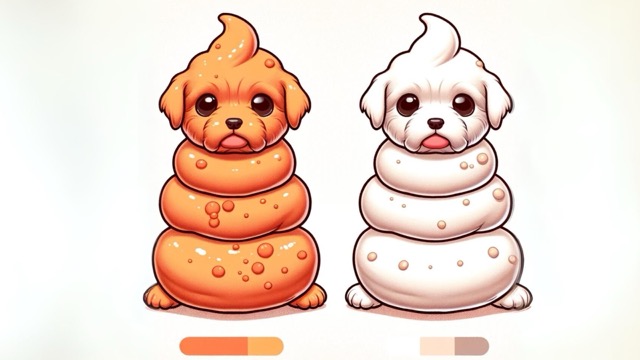
White stools in newborn kittens/puppies: what does it mean ?
Concerned about white stools in newborn kittens/puppies? It signals malabsorption & can be lethal. Understand causes & treatments on our blog.
[BLOG] Weaning puppies: what stools can tell…
In the crucial stages of puppy development, understanding the signs from their stools is key to ensuring optimal health. This comprehensive guide offers insights into the weaning process of puppies, highlighting how changes in their stools can signal important health issues or progress. It covers essential aspects of dog nutrition, the transition from mother's milk to solid food, and the role of puppy milk replacer in this pivotal period. With a focus on maintaining the digestive health of weaning puppies, the blog provides valuable tips on monitoring stool consistency, color, and frequency.
[BLOG] Myth busters: why “puppies should not be fed with special growth diet” is an incorrect assumption
In this enlightening post, we address the common misconception that puppies should not be fed with a special growth diet. Contrary to popular belief, the nutritional requirements of growing puppies are distinct and cannot be adequately met by adult dog food. Special growth diets are formulated to support the rapid development of bones, muscles, and fur, ensuring puppies get the best start in life. This article unpacks the science behind puppy nutrition, highlighting the critical role of a balanced diet in preventing health issues later in life.
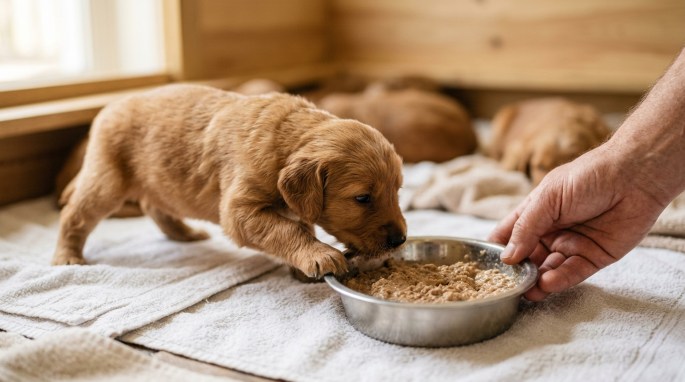
Why Does Weaning Diarrhea Happen in Puppies?
Weaning diarrhea is a predictable microbiome transition event, not a failure. Pancreatic enzymes mature by week 8, gut bacteria reset over 2 to 3 weeks, and 75% of puppies carry 2 or more pathogens simultaneously. A 7-day gradual food transition, targeted probiotics, and fecal PCR testing at week 5 or 6 transform reactive troubleshooting into proactive support.
[BLOG] About puppies’health: 5 things to keep in mind when weaning them !
Transitioning puppies from milk to solid food is crucial for their health and development. Our blog shares expert advice on optimal weaning practices, highlighting the importance of timing, progression, meal frequency, hygiene, and specialized nutrition. These insights aim to reduce weaning stress and prevent common issues like diarrhea, ensuring a smooth transition for your puppies. Perfect for breeders looking to enhance their weaning process.
[BLOG] Doc, there’s one “ball” missing in this puppy: is it going to be a problem ?
In the world of canine breeding, encountering a puppy with a missing testicle, known as ectopic testis or cryptorchidism, is not uncommon, affecting 1.2 to 5% of male pups. This condition, where one or both testicles fail to descend into the scrotum, can have significant implications. For breeders, it means such individuals should not be bred due to the potential spread of unfavorable genetics and should be neutered to prevent health risks like testicular tumors and torsion.

