
Maintaining optimal digestive health is crucial for animals in shelters, where stress and dietary changes can lead to issues like diarrhea and constipation. This blog explores effective nutritional strategies to enhance the wellbeing of sheltered animals, emphasizing the importance of tailored diets. Discover practical advice on managing digestive health through proper nutrition, which can significantly impact overall health and adoption rates. By focusing on balanced diets and preventive care, shelters can improve their residents' quality of life and reduce the incidence of gastrointestinal problems.
Tag: Dog Nutrition
Nutritional needs and diet recommendations for dogs at various life stages.
[BLOG] You will soon have newborn puppies at home ? You will need this for sure.
Preparing your home for the arrival of newborn puppies requires essential knowledge and tools to ensure their health and growth. This comprehensive guide provides everything you need to know about creating a safe, nurturing environment for puppies. Learn about the best practices in feeding, hygiene, and puppy care to support their early development stages. Our tips and insights will help you manage this exciting yet challenging time with confidence.
[BLOG] Breaking News : Big Data hits Canine Repro
In the rapidly advancing world of veterinary science and pet care, the impact of big data on canine reproduction is revolutionizing how we understand and enhance the breeding process. This groundbreaking blog post unveils the significant strides made in dog breeding, highlighting the invaluable insights big data provides into genetic health, optimal breeding times, and litter outcomes. With a focus on improving the welfare and success rates of breeding programs, it explores the integration of technology in monitoring and predicting key reproductive events.
[BLOG] Juvenile Cellulitis, aka puppy strangle : 16 important facts for dog breeders
Juvenile Cellulitis, commonly known as Puppy Strangle, is a critical condition affecting young dogs, demanding immediate attention from dog breeders and owners. This comprehensive guide covers 16 essential facts about the disease, from symptoms and diagnosis to treatment options. Early detection is crucial, as symptoms like swollen lymph nodes, pustules, and lethargy can escalate rapidly. The blog emphasizes the importance of veterinary care in managing this condition and outlines preventive measures to safeguard the health of puppies.
[BLOG] Let’s do the math : predicting puppies’ adult weight
Predicting a puppy's adult weight is more than a curiosity for dog breeders and new pet owners; it's an essential aspect of ensuring their health and happiness. This comprehensive guide introduces a straightforward method to estimate the adult size of your puppy, offering insights into the factors that influence growth and development. Understanding these can help in making informed decisions about nutrition, training, and healthcare.
[BLOG] The “critical period” : something breeders need to be aware of
In the world of breeding, understanding the 'Critical Period' is paramount for breeders aiming to raise healthy, well-adjusted puppies and kittens. This phase, crucial for early development, impacts future behavior and health. Our comprehensive guide highlights essential strategies for navigating this period, ensuring breeders can provide optimal care. From nutritional advice to environmental enrichment, we cover all bases to support the developmental needs of newborn puppies and kittens.
[BLOG] Should we let them eat the placentas ? My opinion.
Exploring the practice of consuming placentas in the animal kingdom, particularly among domestic pets, this blog post examines the potential benefits and risks. With a focus on dog and cat pregnancy, the piece discusses how this behavior can influence the health and recovery of dams post-birth. Nutrition plays a crucial role in the well-being of both mother and offspring, making it essential to understand the natural instincts and dietary needs during this critical period. The article offers insights into maternal behaviors, highlighting the importance of supporting natural processes while ensuring the health of newborn puppies and kittens.
[BLOG] My bitch had a previous C-section. What should I expect ?
Considering a repeat C-section for your dog? Understanding the complexities and necessary precautions is crucial for a smooth pregnancy and birthing process. This article explores key considerations for dogs that have undergone a previous C-section, highlighting the importance of veterinary oversight, timing, and the health of the dam. Learn about the potential risks, signs to watch for during pregnancy, and the steps you can take to ensure the well-being of both the mother and her puppies. From pre-pregnancy planning to post-operative care, get expert insights on managing a C-section birth in dogs.
[BLOG] Should you worry about coccidia infection in catteries and kennels ? (Part III)
Coccidia infections can significantly impact the health of pets in catteries and kennels, posing a challenge for breeders and pet owners alike. This blog explores the importance of understanding, preventing, and managing coccidia to ensure the well-being of both cats and dogs in these environments. With a focus on actionable insights and practical advice, it highlights the critical steps for maintaining a clean and healthy setting to mitigate the risks of infection. By prioritizing animal health through regular veterinary care, proper sanitation, and informed management practices, breeders can safeguard their animals against this pervasive parasite.
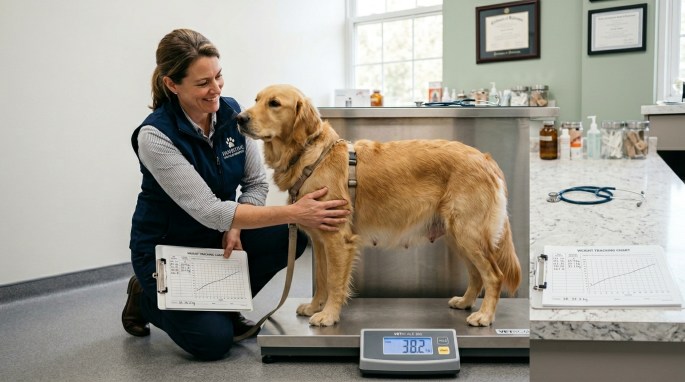
What Should Your Pregnant Dog Weigh Each Week?
Your pregnant dog's weight tells you whether whelping will go smoothly or head toward dystocia. Here is the week-by-week protocol: zero gain for 40 days, then steady 15 to 25 percent gain through whelping, and the red flags your vet needs to see.

