
Navigating the early days with newborn puppies and kittens can be challenging for breeders. Understanding what normal development looks like and recognizing signs of potential health issues are crucial. This blog provides essential insights for breeders on managing the initial weeks of a litter’s life. It focuses on how to monitor newborn animals effectively, ensuring they receive the necessary care and intervention if needed.
Tag: Kitten Milk Replacer
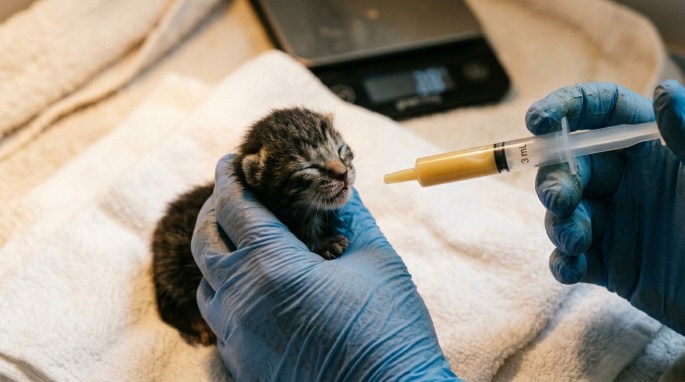
Information on selecting and feeding milk replacers to orphaned or supplemental-fed kittens.
[BLOG] What should be the weight of your pregnant queen ?
Ensuring the optimal health and well-being of your pregnant queen is essential for both her and her future kittens. Monitoring her weight gain during pregnancy is a key factor that can significantly impact the pregnancy outcome. This informative blog provides essential insights on how to maintain the appropriate weight for a pregnant cat, covering the importance of a balanced diet, regular veterinary check-ups, and the right nutrition. Discover the guidelines for a healthy pregnancy, including how to adjust your cat’s diet to meet her changing nutritional needs, and learn why keeping her at an ideal weight is crucial for a smooth delivery and healthy kittens.
Colostrum and Kittens’ Immunity: What Every Cat Breeder Should Know About Passive Transfer
Understanding the pivotal role colostrum plays in the development of a kitten's immune system is crucial for breeders and cat owners alike. This blog highlights the essential benefits colostrum provides to newborn kittens, ensuring they kick off life with robust health. Colostrum, the first form of milk produced by the mother post-birth, is laden with antibodies and nutrients, vital for disease protection and overall growth. For kittens, the first hours after birth are critical; their ability to absorb these life-saving antibodies diminishes rapidly. Insights into ensuring kittens receive this vital nutrition, potential challenges in natural feeding, and the importance of timing for optimal immunity are provided.
[BLOG] Nutrition in animal shelters: the consistency principle
Ensuring consistent nutrition in animal shelters is crucial for the health and well-being of resident cats and dogs. This blog explores the significant impact of stable dietary practices on animal health, focusing on the key aspects of nutritional consistency. By highlighting the challenges shelters face in providing balanced meals and the solutions to overcome these, we underscore the importance of dietary planning and execution. Understanding the nutritional needs of shelter animals can lead to improved health outcomes, supporting their journey towards adoption.
[BLOG] Weaning diarrhea in kittens: what I learnt this year at the NAVC
This post uncovers the intricate balance between nutrition and digestive health during weaning, offering practical solutions for breeders and cat owners. Learn about the impact of premature weaning and the simple yet effective measures to mitigate lactose intolerance symptoms in kittens, ensuring their smooth transition to solid foods.
[BLOG] Neonatology: why I don’t see breast-feeding puppies and kittens as an option Part I
In the realm of neonatology for puppies and kittens, the significance of early nutrition cannot be overstated. While many consider natural feeding by the mother as the ideal option, this blog explores the complexities and challenges that can make breastfeeding not always viable for newborn pets. Addressing critical factors such as maternal health issues, insufficient milk production, and the risk of transmitting infectious diseases, it highlights the necessity of exploring alternative nutritional strategies. With a focus on ensuring the health and development of puppies and kittens, this piece examines the role of puppy and kitten milk replacers as essential tools in neonatal pet care.
[BLOG] Kitten season: is there still such a thing?
As springtime approaches, many pet enthusiasts wonder if the concept of "kitten season" still holds true. Traditionally marked by a surge in feline births, this phenomenon impacts animal shelters and rescue organizations significantly, presenting both challenges and opportunities. This blog explores the dynamics of kitten season, emphasizing its implications for cat welfare and the strategies employed by shelters to manage the influx. We highlight the critical role of spaying and neutering in controlling population growth and the importance of supporting local shelters during these peak times.
[BLOG] Feline Upper Respiratory Tract Diseases: things to know to better control and prevent these diseases
Understanding Feline Upper Respiratory Tract Diseases is crucial for pet owners and breeders alike. These conditions, often highly contagious among cats, can range from mild to life-threatening. The blog explores symptoms to watch for, including sneezing, nasal discharge, and conjunctivitis, and emphasizes the importance of early detection and veterinary care. Preventative measures, such as vaccination and maintaining a clean environment, play a key role in controlling these diseases. Tailored towards those committed to the health and wellbeing of their cats, this resource provides essential insights into effectively managing and preventing the spread of upper respiratory tract diseases in felines.
[BLOG] Tritrichomonas foetus: the new scourge of feline breeding ?
In the realm of feline breeding, a formidable challenge has emerged, casting a shadow over the health and well-being of cats: Tritrichomonas foetus. This parasitic infection, primarily known for causing severe diarrhea and reproductive issues, has quickly become a significant concern for breeders and cat owners alike.

