
Are you curious about the practice of placentophagy in pets? Does it bring benefits or risks to our furry friends? As a veterinarian, I've explored this complex issue, weighing the pros and cons based on scientific literature and personal experience. The findings might surprise you. Join me in this blog post as we navigate this intriguing topic. Your perspective could be a valuable addition to this ongoing discussion!
Category: Dog Whelping
Your comprehensive guide to the dog whelping process, providing practical advice on preparation, recognizing labor signs, and postpartum care. A crucial resource for breeders seeking to navigate the birthing experience with confidence, ensuring the safety and well-being of both the mother and her puppies.
Unveiling the Secrets of Dog Birth: A Risky Affair or Not?
Is the miracle of canine birth a hidden danger? Uncover the often overlooked risks in canine parturition and learn how modern veterinary medicine is revolutionizing the way we manage these risks. From the role of breed and weight to unique challenges like 'Single Puppy Syndrome' and 'Hyperfoetation', this blog sheds light on the crucial factors that can make all the difference in ensuring the health and survival of our beloved puppies. Dive in to discover how we can better safeguard the miracle of life in our four-legged friends.

Gestational Toxemia in Dogs: Detect, Diagnose, and Prevent this Life-Threatening Condition
One of the biggest threats during pregnancy is gestational toxaemia, which can pose a serious risk to the health of both the mother and her fetuses. Understanding the signs and symptoms of this disorder, and having knowledge of the appropriate diagnostic and treatment methods, is crucial to ensure the safety and wellbeing of both the dam and the litter.
[BLOG] Risk of dystocia in the bitch: what about elective C-section ?
Understanding the risks of dystocia in bitches is crucial for breeders aiming to ensure healthy litters and maternal safety. This blog explores why elective C-sections might be a proactive approach in managing birthing complications in dogs. It highlights key factors influencing dystocia, including breed specifics, maternal health, and previous birthing histories. Our discussion emphasizes the importance of veterinary consultation and proactive planning in dog breeding to mitigate risks and promote well-being for both the dam and her puppies.
[BLOG] Too often considered as a go-to solution… I would advise caution.
In this comprehensive blog post, we explore the nuanced aspects of pet breeding and care, highlighting why it's important to proceed with caution in areas often deemed straightforward. This piece provides vital insights into the complexities of breeding, emphasizing the health and well-being of both male and female breeding partners, the detailed processes of pregnancy, and essential neonatal care practices. Aimed at breeders and pet owners, the article serves as an essential guide to the scientific and ethical considerations involved in breeding dogs and cats.
[BLOG] My bitch had a previous C-section. What should I expect ?
Considering a repeat C-section for your dog? Understanding the complexities and necessary precautions is crucial for a smooth pregnancy and birthing process. This article explores key considerations for dogs that have undergone a previous C-section, highlighting the importance of veterinary oversight, timing, and the health of the dam. Learn about the potential risks, signs to watch for during pregnancy, and the steps you can take to ensure the well-being of both the mother and her puppies. From pre-pregnancy planning to post-operative care, get expert insights on managing a C-section birth in dogs.
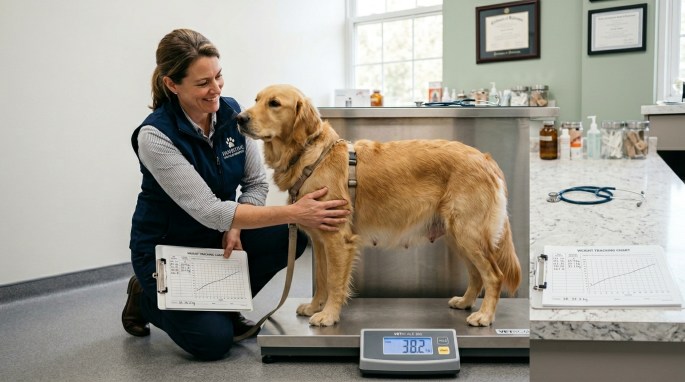
What Should Your Pregnant Dog Weigh Each Week?
Your pregnant dog's weight tells you whether whelping will go smoothly or head toward dystocia. Here is the week-by-week protocol: zero gain for 40 days, then steady 15 to 25 percent gain through whelping, and the red flags your vet needs to see.
[BLOG] Your bitch is about to whelp ? My 10 tips to relieve her from the associated stress ! (Part II)
Preparing for the birth of puppies is a crucial time for breeders and dog owners alike. This article offers invaluable advice for relieving stress in expectant dogs, ensuring a smoother whelping process. Discover practical tips on optimizing the environment with a properly prepared whelping box, the significance of maintaining cleanliness and quiet, and the importance of nutritional support during this demanding time. Our guidance is designed to support the dam's health and well-being, contributing to the successful delivery and care of her newborn puppies.
[BLOG] Your bitch is about to whelp ? My 10 tips to relieve her from the associated stress ! (Part I)
Preparing for your dog's whelping can be both an exciting and stressful time. To ensure a smooth process for the soon-to-be mother and her puppies, it's crucial to reduce her stress levels. This blog post shares essential tips for dog owners to support their pregnant dogs through the final stages of pregnancy and the birthing process. From creating a comfortable whelping box to understanding the nutritional needs of a pregnant dog, these insights will help you provide the best care.
[BLOG] Canine parturition : at risk… or not ?
Exploring the risks of canine parturition, this blog post unveils the potential dangers associated with dog pregnancies and deliveries. A 2007 study on 1614 bitches highlighted a 13.7% occurrence of dystocia, leading to significant neonatal mortality rates. Factors such as breed, weight, parity, and previous dystocia are discussed for their impact on birthing outcomes. The post also emphasizes the importance of veterinary advances in early detection and management, aiming to optimize survival chances for puppies.

